Top Landscaping Services in Harrisburg, IL, 62946 | Compare & Call


Lucas Lawn Service is your trusted local lawn care provider in Harrisburg, IL, specializing in comprehensive lawn maintenance to address common local landscaping challenges. Many Harrisburg homes face...
Landscape Daniels is a trusted landscaping company serving Harrisburg, IL, dedicated to solving common local lawn and irrigation problems. We specialize in addressing issues like dead lawn patches and...
Sullivan Lawn Care is a licensed and bonded landscaping company serving Harrisburg, IL, and surrounding areas since 2018. We specialize in comprehensive lawn care, commercial grounds maintenance, snow...

Norris Lawn Care is your trusted, local lawn service provider in Harrisburg, IL. We specialize in comprehensive lawn care, from regular mowing and fertilization to targeted solutions for common local ...
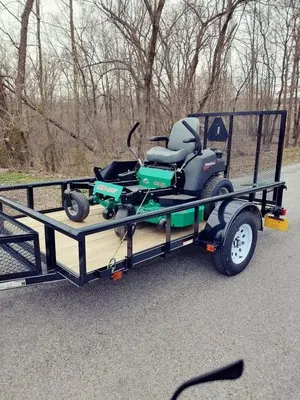
Wigsticks is a trusted lawn care provider serving Harrisburg, IL, dedicated to helping homeowners maintain healthy, beautiful lawns. We specialize in addressing common local landscaping challenges lik...
Bennett Lawn Care is your trusted local lawn service provider in Harrisburg, IL, dedicated to keeping your yard healthy and beautiful year-round. We specialize in comprehensive lawn care, from mowing ...

Petersmarcks Scrap-Lawn Service
Petersmarcks Scrap-Lawn Service is a trusted local provider in Harrisburg, IL, specializing in landscape design and comprehensive lawn care. We understand the unique challenges Harrisburg homeowners f...
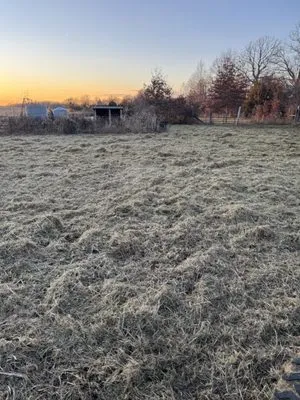
Dunning's Land Improvement is a locally owned and operated Harrisburg business dedicated to transforming outdoor spaces across Southern Illinois. We specialize in land and brush clearing to create roo...
Q&A
Can smart irrigation really save water while keeping my lawn green during summer?
Wi-Fi enabled controllers use ET-based scheduling that adjusts to real-time weather data, reducing Kentucky Bluegrass water needs by 30-40% while maintaining turf health. Despite voluntary conservation status in Harrisburg, these systems prevent runoff by matching precipitation rates to soil infiltration capacity. Programming follows Illinois Nutrient Loss Reduction Strategy guidelines to minimize leaching while supporting deep root development in silt loam profiles.
Why does water pool in my yard for days after moderate rainfall?
Seasonal high water tables interact with Harrisburg's clay subsoils, creating poor infiltration rates in silt loam landscapes. Permeable concrete paver installations with crushed limestone bases increase surface permeability by 50-80% while meeting Harrisburg Building & Zoning Department runoff standards. French drain systems graded at 1% slope redirect subsurface water away from foundations, addressing both surface pooling and groundwater issues common in 0.25-acre Historic District lots.
What are my options for reducing weekly mowing and gas equipment noise?
Transitioning Kentucky Bluegrass turf to Purple Coneflower, Butterfly Milkweed, Little Bluestem, and Wild Bergamot plantings reduces mowing frequency from weekly to seasonal. These natives establish deep root systems that access subsurface moisture, eliminating irrigation needs while providing year-round habitat. Electric maintenance fleets operate quietly within 7 AM-10 PM windows, and established native beds require only annual cutting back rather than weekly blowing.
How quickly can you respond to an HOA violation notice for overgrown vegetation?
Emergency cleanup crews dispatch from Harrisburg City Hall via IL-13 within 15-20 minutes for Historic District properties. We coordinate with the HOA compliance officer to document corrective actions while adhering to the 7 AM start time under local noise ordinances. Electric maintenance equipment operates within decibel limits during permitted hours to resolve violations within a single service window.
How do I control invasive plants without harming my desirable natives?
Japanese knotweed and garlic mustard pose the highest invasion risks in Harrisburg's silt loam soils, competing with established natives for moisture and nutrients. Manual removal during dry periods prevents soil disturbance that spreads rhizomes, while targeted glyphosate applications follow Illinois Nutrient Loss Reduction Strategy blackout dates to protect pollinators. Soil testing every 3 years identifies nutrient imbalances before they create invasion opportunities in pH 6.2-6.8 conditions.
Why does my soil seem compacted and lifeless compared to newer neighborhoods?
Harrisburg's Historic District lots average 60 years of soil development since 1966 construction, creating a mature silt loam profile with pH 6.2-6.8. Decades of foot traffic and equipment use have reduced permeability in the clay subsoils. Core aeration every 2-3 years with organic amendments like composted leaf mold addresses compaction while maintaining the slightly acidic pH optimal for Kentucky Bluegrass and Tall Fescue establishment.
What permits and licenses are needed to regrade my backyard?
Grading projects exceeding 50 cubic yards of soil movement require Harrisburg Building & Zoning Department permits with engineered drainage plans. Illinois Department of Financial and Professional Regulation licensing ensures contractors understand silt loam compaction ratios and proper slope calculations for 0.25-acre lots. Professional landscape architects certified in erosion control must stamp plans that address the clay subsoil infiltration challenges specific to Historic District properties.
Are concrete pavers better than wood for patio longevity in our climate?
Concrete pavers withstand freeze-thaw cycles in USDA Zone 7a with minimal heaving compared to wood's 8-12 year replacement cycle. Their non-combustible properties satisfy Harrisburg's Moderate Fire Wise rating requiring 5-foot defensible perimeters. Interlocking designs with polymeric sand joints accommodate soil movement while crushed limestone bases provide drainage that prevents water accumulation against foundations, a critical consideration with seasonal high water tables.
