Top Landscaping Services in Harlem, IL, 61011 | Compare & Call
There are 232 landscaping companies server in Harlem IL
Brad's Proscapes
Brad's Proscapes is a trusted landscaping and snow removal company serving Rockford, IL homeowners. We specialize in solving common local landscaping problems like landscape edging damage and tree roo...
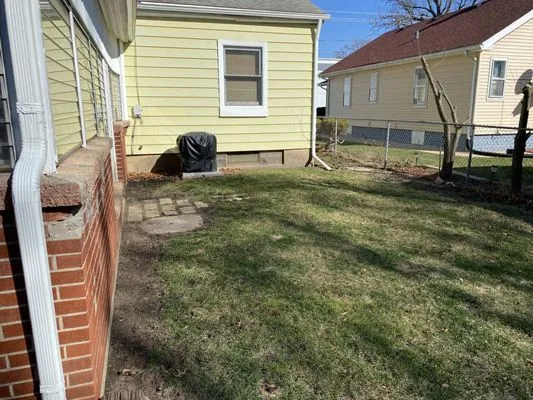
Cut Master Mowing Service is your dedicated Machesney Park neighbor for professional lawn and landscape care. We specialize in solving common local issues like bare lawn patches and compacted soil thr...
Bos Elite Lawn Care is a dedicated lawn service provider serving Rockford, IL, and the surrounding communities. We specialize in comprehensive lawn care, focusing on creating and maintaining healthy, ...
AAA Lawn Care is a trusted lawn service provider in Rockford, IL, dedicated to helping homeowners maintain healthy, beautiful yards. We specialize in comprehensive lawn care solutions, including addre...

Landscape Unlimited
Landscape Unlimited serves as a full-service landscape and lawn care provider for both residential and commercial properties in Machesney Park and the greater Rockford, IL area. Our services extend fr...
J J Landscaping Service is a trusted local contractor dedicated to solving Rockford's most common lawn challenges. We specialize in correcting poor lawn grading, which is a frequent cause of water poo...
MC & TC Landscaping is a trusted lawn service provider serving Belvidere, IL, and the surrounding Boone County area. We understand the specific challenges local homeowners face, from unsightly weed in...
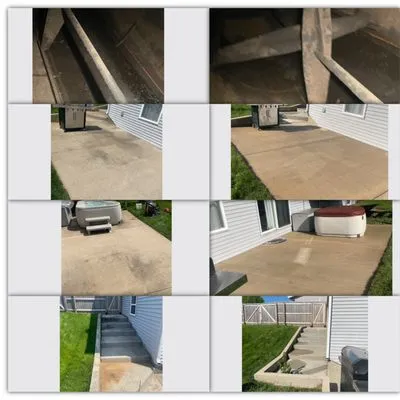
Eaton Services is a Machesney Park-based contractor offering a wide range of property enhancement solutions. With years of hands-on experience in power washing, environmental cleaning, landscaping, an...
J & A Lawns & Landscaping is a trusted local landscaping company serving Belvidere, IL, and surrounding areas. We specialize in addressing common local landscaping challenges like weed infestations an...
Drewelow/Sohner Landscaping is a trusted local landscaping and design firm serving Cherry Valley, IL. We specialize in creating beautiful, functional outdoor spaces that address common local challenge...
Estimated Landscaping Service Costs in Harlem, IL
FAQs
What permits and licenses are needed for regrading my 0.22-acre Harlem property?
Grading altering more than 100 square feet requires Winnebago County Planning & Zoning Department approval with engineered drainage plans. Contractors must hold Illinois Department of Financial and Professional Regulation landscaping licenses for earth moving exceeding 10 cubic yards. The 0.22-acre lot size triggers specific erosion control measures during construction to protect neighboring properties. Unlicensed grading risks fines up to $10,000 and mandatory restoration at owner expense under Illinois professional practice acts.
How quickly can you respond to an emergency tree cleanup after a storm in Harlem?
Our electric fleet can dispatch from the Harlem Community Center within 20 minutes during peak conditions, using I-90 for efficient routing to residential districts. This rapid response meets HOA compliance timelines for debris removal while adhering to restrictive noise ordinances with quieter equipment. We prioritize routes that avoid seasonal ponding areas to maintain schedule reliability. The 20-30 minute window accounts for urban interface challenges common in 0.22-acre lots.
Are clay brick pavers better than wood for Harlem patios considering longevity?
Clay brick pavers offer 50+ year durability versus wood's 15-25 year lifespan, with zero maintenance beyond occasional joint sand replenishment. Their non-combustible nature supports the Low Fire Wise Rating requirements for urban interface zones, creating defensible space without fuel accumulation. Crushed limestone pathways provide complementary permeability while resisting weed penetration. These materials withstand USDA Zone 5b freeze-thaw cycles without deterioration that plagues wooden structures.
Why does my Harlem yard have such compacted soil that needs annual aeration?
Harlem's residential lots, developed around 1984, have 42-year-old Mollisols soil that has matured with significant compaction from decades of foot traffic and equipment use. The silt loam composition naturally retains moisture but loses permeability over time without intervention. Core aeration every 2-3 years introduces oxygen channels and allows organic amendments like compost to integrate, restoring the pH 6.8 balance critical for nutrient uptake. This process mimics natural soil turnover that would occur in undisturbed prairie ecosystems.
Can I maintain healthy turf while following Harlem's water conservation guidelines?
Smart Wi-Fi ET-based weather sensing controllers automatically adjust irrigation to actual evapotranspiration rates, reducing water use 20-30% while preserving Kentucky Bluegrass and Fine Fescue blends. These systems sync with municipal Stage 1 voluntary conservation by bypassing precipitation events and reducing runtime during high humidity. Properly programmed controllers deliver deep, infrequent watering that encourages drought-tolerant root development. This technology represents the 2026 standard for responsible turf management in USDA Zone 5b.
Should I replace some turf with native plants to reduce maintenance requirements?
Transitioning 25-40% of turf to Purple Coneflower, Little Bluestem, Swamp Milkweed, and Wild Bergamot creates biodiversity corridors while eliminating weekly mowing and gas-powered equipment use. These natives thrive in Harlem's pH 6.8 soil without irrigation once established, aligning with evolving noise ordinances restricting gas blowers. The deep root systems of Little Bluestem (up to 5 feet) improve soil structure better than turf grasses. This approach future-proofs landscapes against increasing maintenance restrictions.
What's the best solution for seasonal ponding in my Harlem yard's low areas?
Moderate ponding in silt loam soils requires improving permeability through French drains or dry creek beds lined with crushed limestone, which meets Winnebago County Planning & Zoning Department runoff standards. Clay brick pavers installed with permeable jointing sand allow 30% more water infiltration than traditional concrete. These solutions address the soil's natural compaction while preventing erosion during heavy rainfall events. Proper grading should direct water away from foundations toward designated drainage paths.
How do I control invasive species without violating fertilizer regulations?
Targeted manual removal of invasives like garlic mustard or buckthorn during their active growth phases avoids the need for phosphorus-containing treatments restricted by Illinois law. Soil testing determines specific nutrient deficiencies before any amendment application, ensuring compliance with the Phosphorus Application Act. Organic herbicides containing citric acid or clove oil provide effective spot treatment without residual soil impact. Timing interventions before seed set prevents future outbreaks while maintaining ecological balance.
