Top Landscaping Services in Hanover Park, IL, 60103 | Compare & Call

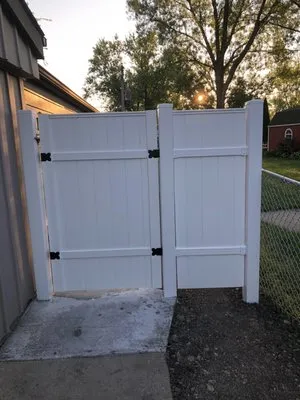
Francisco Alonzo Concrete and Landscaping
Francisco Alonzo Concrete and Landscaping is a trusted, full-service contractor serving Hanover Park, IL, and the surrounding area. We specialize in both hardscaping and landscaping to build beautiful...
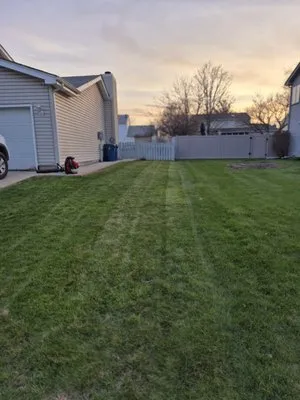
Lezama Landscaping is your trusted, local expert serving Hanover Park, IL. We understand the specific challenges homeowners face in our community, particularly yard drainage issues and lawn insect dam...
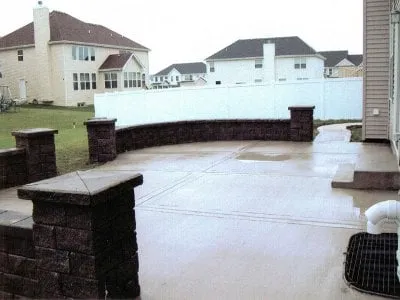
Antonio's Concrete
Antonio's Concrete is a trusted, full-service contractor serving Hanover Park and the surrounding area. We specialize in durable concrete work, from driveways and patios to retaining walls, alongside ...
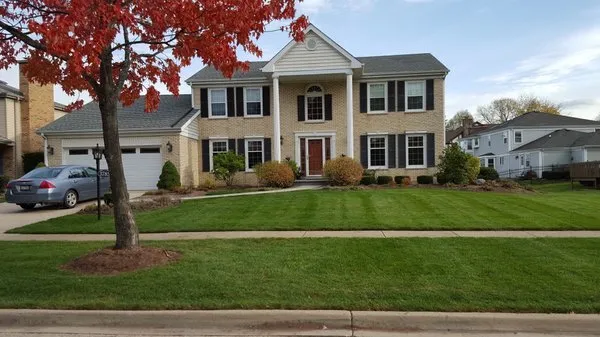
Lagunas Landscaping
Lagunas Landscaping has been a trusted name in the Hanover Park and greater Chicago area since 2007, built on over 20 years of collective hands-on experience. We're a local, family-run team dedicated ...
Barco Hardscapes is a trusted landscaping company serving Hanover Park, IL, and the surrounding communities. We specialize in addressing common local landscaping challenges, particularly poor lawn gra...
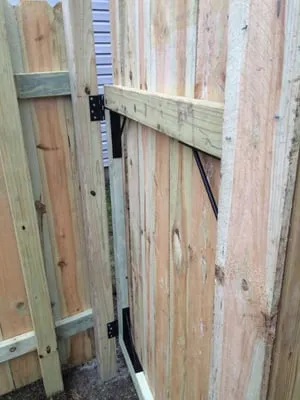
Diaz & Associates Complete Landscape Services is a trusted local landscaping company serving Hanover Park, IL, and the surrounding communities. We specialize in comprehensive landscape solutions desig...

Helping Hands Lawncare is your trusted local landscaping partner in Hanover Park, IL. We specialize in comprehensive gardening and landscape maintenance to tackle the common issues homeowners face in ...

DNA Landscapes
DNA Landscapes is a family-owned landscaping company that has been serving Hanover Park and the surrounding suburbs for over a decade. We combine thoughtful design with quality craftsmanship to create...
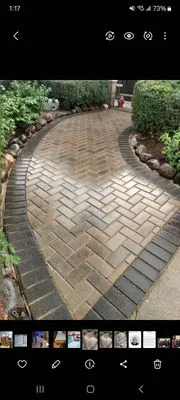
S & F Landscaping Services is a trusted local landscaping company serving Hanover Park, IL, and surrounding areas. We specialize in comprehensive landscaping, snow removal, and tree services to enhanc...
U.S. Landscaping is a family-owned business that has been serving the local Hanover Park community and surrounding areas like Addison, Lombard, and Bloomingdale since 2013. Our commitment is to provid...
FAQs
How do I control invasive species without violating fertilizer regulations?
For common invaders like garlic mustard or buckthorn, mechanical removal before seed set proves most effective. Spot-treat regrowth with glyphosate in fall when natives are dormant. The Illinois Phosphorus Application Rate Act prohibits phosphorus on established lawns but allows it for new plantings with soil test justification. Always apply herbicides during calm conditions to prevent drift onto desirable vegetation.
How do I maintain Kentucky Bluegrass during voluntary water conservation?
Smart Wi-Fi ET-based controllers adjust irrigation schedules using real-time weather data and evapotranspiration rates. These systems reduce water use 20-30% while preserving turf health by applying water only when needed. For Hanover Park's voluntary conservation status, programming 0.75 inches weekly during peak summer meets Kentucky Bluegrass requirements without exceeding municipal guidelines. Deep, infrequent watering encourages deeper root systems.
Why does my Hanover Park lawn have drainage issues and compacted soil?
Hanover Park Village Center lots built around 1976 have 50-year-old Mollisols soil that has become heavily compacted. This silt loam with pH 6.8-7.2 develops poor permeability over decades, especially in flat terrain with high water tables. Core aeration every 2-3 years and adding 0.25 inches of compost annually improves soil structure and water infiltration. Without these amendments, the soil's natural drainage capacity continues to degrade.
What permits and licenses are needed for landscape grading work?
Grading on 0.22-acre lots requires an Illinois Department of Financial and Professional Regulation licensed landscape contractor. The Hanover Park Community Development Department issues permits for earth moving exceeding 50 cubic yards or altering drainage patterns. Professionals carry insurance covering soil erosion control during construction. Unlicensed grading can violate municipal codes and create liability for downstream water issues.
What solutions work for seasonal water pooling in flat yards?
Hanover Park's high water table and silt loam soil create poor infiltration that requires engineered drainage. French drains with clean gravel and perforated pipe redirect subsurface water, while permeable concrete pavers allow surface infiltration. The Community Development Department requires drainage plans showing 1% minimum slope away from structures. Dry wells or rain gardens using native plants provide additional capacity during heavy rainfall events.
Are concrete pavers better than wood for Hanover Park patios?
Concrete pavers offer superior longevity with 25+ year lifespans versus wood's 10-15 years in Zone 5b freeze-thaw cycles. Their non-combustible nature supports the low Fire Wise rating in suburban interfaces. Crushed limestone bases provide excellent drainage while preventing weed growth through geotextile barriers. Properly installed paver systems require minimal maintenance and resist frost heave better than poured concrete.
How quickly can you respond to storm damage for HOA compliance?
Emergency cleanup crews dispatch from the Hanover Park Metra Station area via IL-390, reaching most Village Center properties within 20-30 minutes during peak response times. We prioritize downed branches and safety hazards first, then address cosmetic damage. Our electric maintenance fleet operates within the 7:00 AM to 7:00 PM noise ordinance window without gasoline engine restrictions.
Should I replace some lawn with native plants to reduce maintenance?
Replacing 30-50% of turf with Purple Coneflower, Little Bluestem, Swamp Milkweed, and Wild Bergamot creates biodiversity corridors while reducing mowing frequency. These natives require no irrigation once established and support pollinators year-round. This approach aligns with emerging electric equipment trends and reduces fuel consumption. Native plantings also improve soil health through deeper root penetration and organic matter accumulation.
