Top Landscaping Services in Hampshire, IL, 60140 | Compare & Call
There are 197 landscaping companies server in Hampshire IL
Yellow2Green Landscaping is your trusted, local partner for year-round outdoor care in Huntley, IL. We specialize in comprehensive lawn services, expert snow removal, and professional fence & gate ins...
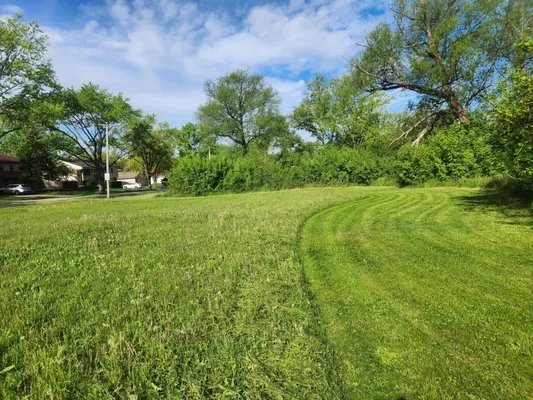
Four Seasons Landscape is a trusted local landscaping company serving Huntley, IL, and the surrounding areas. We specialize in addressing common residential landscaping challenges that Huntley homeown...
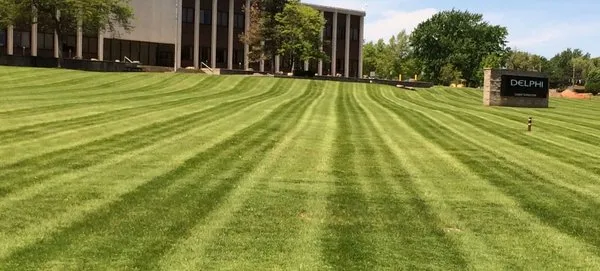
Four Seasons Care in Huntley, IL, is a local exterior property care company specializing in snow removal and landscaping services. With over 35 years of combined industry experience, our team provides...

Dyer Lawn Care is a locally owned and operated lawn and tree service company serving Huntley, IL, and the surrounding areas. We specialize in comprehensive lawn care and tree care services, tailored t...
BrightView Landscape Services in Huntley, IL, is a dedicated lawn care provider specializing in maintaining healthy, vibrant lawns for local residents. We understand the common challenges Huntley home...
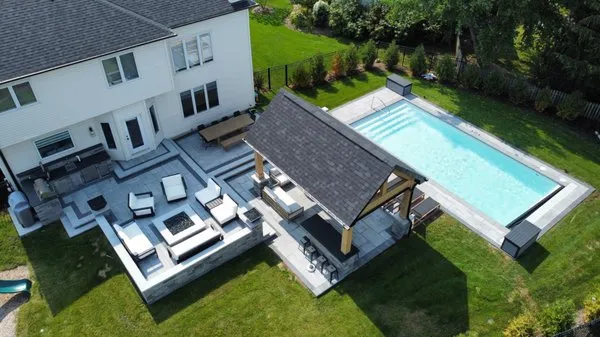
ZGreen Landscape is a family-owned and operated landscaping company serving Elgin, IL, and surrounding areas with over 15 years of experience. We specialize in comprehensive landscape and hardscape de...
Morning Rain Irrigation Inc is a full-service landscaping and irrigation company serving Huntley, IL, and the surrounding area. We specialize in solving common local yard problems like poor lawn gradi...
Estimated Landscaping Service Costs in Hampshire, IL
Common Questions
Will a smart irrigation system keep my Kentucky Bluegrass lawn green under Hampshire's water conservation guidelines?
Yes, a properly calibrated Wi-Fi ET-based controller is the precise tool for this task. It automatically adjusts watering schedules based on real-time evapotranspiration data, soil moisture, and local weather forecasts. This technology applies water only when and where the Tall Fescue and Bluegrass blend needs it, eliminating guesswork and waste. It is the most effective method to maintain turf health while operating within the town's Normal conservation parameters and any future restriction tiers.
What permits and qualifications should I verify before hiring a contractor to regrade my quarter-acre lot?
Any significant grading or earth-moving on a 0.25-acre lot typically requires a permit from the Village of Hampshire Building & Zoning Department to ensure compliance with drainage and erosion control ordinances. Crucially, the contractor must hold an active license from the Illinois Department of Financial and Professional Regulation. Hiring a licensed professional ensures they carry required insurance and possess the technical knowledge to properly manage soil, water flow, and adherence to local codes, protecting your property from liability and improper work.
Why does my lawn in Hampshire Highlands look compacted and struggle each spring, despite regular care?
Lawns in neighborhoods built around 2002, like Hampshire Highlands, have soils with roughly 24 years of development. The underlying Drummer Silty Clay Loam (Mollisols) naturally has low permeability and can become dense from construction grading and repeated mowing. This compaction inhibits root growth and water infiltration. Annual core aeration and top-dressing with composted organic matter are necessary to rebuild soil structure and improve percolation in this common Hampshire soil profile.
What should I do about invasive weeds like creeping Charlie without harming my lawn or breaking local fertilizer rules?
Invasive ground covers like creeping Charlie thrive in compacted soils common here. Treatment begins with improving lawn vigor through core aeration and overseeding to outcompete weeds. For targeted control, a selective post-emergent herbicide applied in late spring is effective. Crucially, any product used must comply with the Illinois Phosphorus Fertilizer Act, which restricts phosphorus application on established turf. Always verify that a
My yard in Hampshire holds water for days after rain. What's the best long-term solution for this wet area?
Persistent pooling indicates the poor infiltration rate of the local Drummer Silty Clay Loam and a likely seasonal high water table. The primary solution is to install a subsurface French drain system that redirects water away from the problem zone. For any new hardscaped areas, specifying permeable clay pavers or open-graded crushed limestone can significantly reduce surface runoff. These permeable materials help manage stormwater on-site, which aligns with Village of Hampshire Building & Zoning Department standards for runoff reduction.
How quickly can a crew respond for an emergency tree cleanup after a storm to meet HOA compliance deadlines?
An emergency dispatch from our Hampshire Forest Preserve hub can typically reach a Hampshire Highlands property within 45-60 minutes during peak response times. The route north via I-90 allows efficient access. Crews coordinate en route to assess the scope, ensuring equipment for immediate debris removal and safety mitigation is loaded. This rapid response is structured to address urgent hazards and initiate the cleanup process to comply with typical neighborhood covenants.
For a new patio, are clay pavers or pressure-treated wood a better long-term choice in Hampshire's climate?
Clay pavers are the superior long-term investment for Hampshire's Zone 5b climate. They are impervious to freeze-thaw cycling, rot, and insect damage that degrade wood. Their modular installation allows for excellent permeability when set on a sand base, aiding drainage. While the Hampshire area has a Low Firewise rating, non-combustible materials like clay pavers or crushed limestone contribute to a defensible space and eliminate future maintenance costs associated with wood sealing and replacement.
I want a lower-maintenance, quieter yard. Are native plants a practical alternative to grass?
Transitioning sections of high-input turf to a planting of Purple Coneflower, Little Bluestem, Butterfly Milkweed, and Wild Bergamot is a highly practical strategy. These natives are adapted to Zone 5b conditions, require no fertilization once established, and need minimal watering. This shift drastically reduces or eliminates the need for gas-powered mowers and blowers, aligning with evolving noise ordinances and supporting local biodiversity. The deep root systems of these plants also improve soil health and water retention.
