Top Landscaping Services in Hall, IL, 61312 | Compare & Call
There are 87 landscaping companies server in Hall IL

Trock Home Solutions is a Veteran Owned company serving Ottawa, IL, with over 10 years of experience in general home repair and maintenance. We specialize in interior and exterior home repairs and sma...
Aerate Dethatch Pathology
Aerate Dethatch Pathology is a Rock Falls, IL landscape provider with over 12 years of experience, dedicated to enhancing lawns, trees, plants, and soil health. We believe in working with nature, not ...
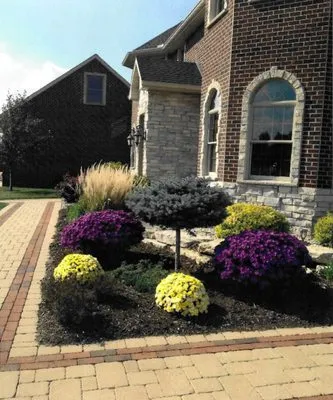
D & M Landscaping & Excavating, L.L.C. is a trusted, locally-owned company serving homeowners and businesses in Spring Valley, Bureau County, and Putnam County. We combine expert landscaping with skil...

Prairie Landscape is a trusted, locally-owned landscaping and hardscaping company serving Princeton, IL, and the surrounding communities. We understand the common challenges homeowners face, like soil...
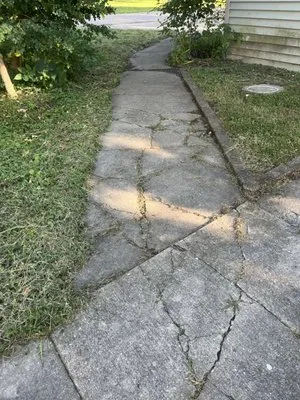
Rural Route Services Land Care is a locally owned and operated lawn care business serving Princeton, IL. We focus on providing reliable, detail-oriented lawn care services where clear communication an...

The Kaylee Kompany is your trusted local provider in Sheffield, IL, offering comprehensive lawn care, laundry, and home cleaning services. We understand the unique challenges Sheffield homeowners face...
River Valley Lawn Care has been the trusted choice for Peru, IL, homeowners since 2010. Our local team provides comprehensive lawn care, from routine mowing and bush trimming to detailed seasonal clea...
For over 75 years, Peru Greenhouses has been a trusted part of the Peru, IL community, providing landscaping services and quality plants since 1947. As a locally owned business, we understand the spec...
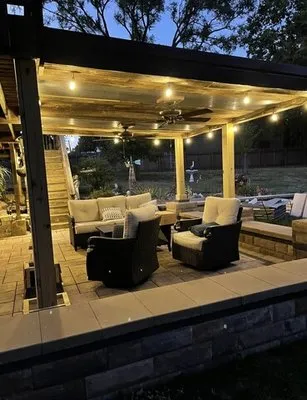
Haskell Landscaping is a locally owned and operated landscaping company serving Oglesby, IL, and the surrounding communities. We specialize in comprehensive outdoor solutions, including landscape desi...
Jack's Nursery is a trusted, family-owned garden center serving La Salle, IL, and the surrounding communities. We specialize in providing the plants, tools, and expert advice needed for a thriving loc...
Estimated Landscaping Service Costs in Hall, IL
Q&A
Do I need a permit to regrade my backyard, and who is qualified to do the work?
Regrading a 0.25-acre lot often requires a permit from the Hall City Planning & Development Department, especially if it alters stormwater flow patterns. The work must be performed by a contractor licensed by the Illinois Department of Financial and Professional Regulation. This licensing ensures they carry the required insurance and understand soil mechanics, critical for preventing drainage problems on your property or a neighbor's. Always verify credentials before contracting.
How quickly can you respond to a storm-damaged tree blocking a driveway?
Our emergency dispatch targets a 20-30 minute arrival during peak hours for the Hall Historic District. Crews route from the Hall Public Library staging area, taking I-80 for the most direct access. This protocol ensures timely response for critical safety and HOA compliance issues. All emergency equipment is electric to comply with local noise ordinances during extended cleanup operations.
Why does my lawn seem to compact and thin out every year?
Hall Historic District properties, with an average build year around 1970, have 55-year-old soil systems. Silt loam soil common here naturally compacts over decades of foot traffic and equipment use, reducing permeability and oxygen for grass roots. This leads to the seasonal ponding you may observe. Annual core aeration and top-dressing with composted organic matter are essential to counteract this compaction and rebuild soil structure for healthy turf.
My yard holds water after heavy rains. What's a long-term solution?
Moderate seasonal ponding in Hall often stems from the high clay content in our silt loam subsoil, which impedes water movement. A graded French drain system can redirect surface water. For new patios or walkways, specify permeable concrete pavers; their design allows stormwater to infiltrate the ground, reducing runoff and often meeting Hall City Planning & Development Department's updated standards for on-site management.
Are permeable pavers a better choice than a traditional wood deck?
For longevity and low maintenance in Illinois' climate, permeable concrete pavers are superior. They will not rot, warp, or require sealing like wood, and their solid base resists frost heave. Their permeable nature directly addresses local drainage concerns. From a safety perspective, their non-combustible nature contributes to defensible space, aligning with our area's Low Urban Interface fire-wise rating, an increasing consideration for landscape design.
Can I have a green lawn while following the city's water conservation rules?
Yes, using Wi-Fi ET-based weather-sensing irrigation is the standard for compliance. This system automatically adjusts watering schedules based on real-time evapotranspiration data, applying water only when your Kentucky Bluegrass and Fine Fescue blend needs it. This method typically reduces water use by 20-30%, aligning with Stage 1 voluntary conservation goals while maintaining turf health. Properly calibrated, it prevents the overwatering that exacerbates our clay subsoil drainage issues.
What are low-maintenance alternatives to my traditional grass lawn?
Transitioning to a xeriscape or native planting bed significantly reduces water, mowing, and chemical inputs. For Zone 5b, a matrix of Little Bluestem grass with Purple Coneflower, Butterfly Milkweed, and Wild Bergamot provides year-round interest and critical pollinator habitat. This approach future-proofs your landscape against tighter water restrictions and the shift toward electric-only maintenance, as these deep-rooted plants require no fertilization and infrequent care once established.
How should I deal with invasive weeds without harming my garden?
First, accurately identify the threat; common invasive alerts in our area include creeping Charlie and garlic mustard. For organic control, manual removal or targeted spot-treatment with approved herbicides is effective. Always adhere to the local phosphorus-free fertilizer ordinance, applying any soil amendments only after a test confirms a deficiency. Treat in early spring or fall for best results, avoiding summer stress periods for desirable plants.
