Top Landscaping Services in Grayslake, IL, 60030 | Compare & Call
There are 196 landscaping companies server in Grayslake IL

Proud Ponds in Wauconda, IL, is a specialized landscaping company led by Aaron the Pond Guy, who brings over three decades of passion for water features to every project. Since launching his business ...
Portilla Landscaping is a trusted local landscaping and tree service provider serving Round Lake Beach, IL, and surrounding areas. We specialize in comprehensive landscape maintenance and expert tree ...
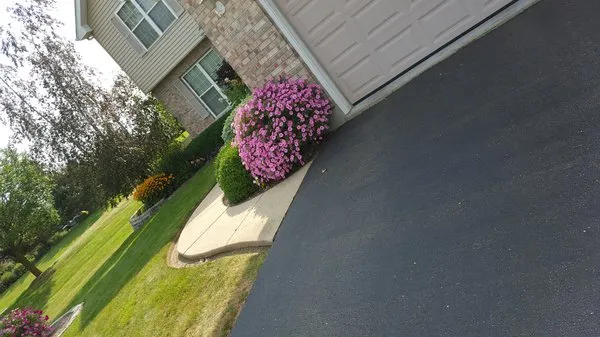
Martell Landscaping is a trusted local provider serving Gurnee, IL, with comprehensive landscaping and tree care services. We specialize in maintaining healthy outdoor spaces through shrub and tree ca...
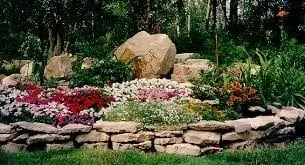
Tovar's Landscaping is a trusted Round Lake Beach, IL landscaping company offering comprehensive services to enhance and maintain outdoor spaces. We specialize in irrigation design, landscape design, ...
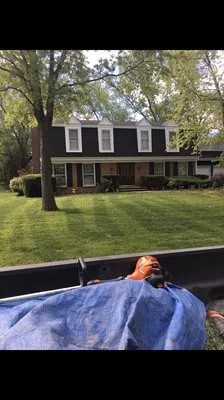
Diamond Cutters Lawn Mowing And Snow Plowing
Diamond Cutters Lawn Mowing And Snow Plowing is a trusted, full-service landscaping company serving Grayslake, IL, and the surrounding areas. We specialize in comprehensive lawn care, reliable snow re...
Carlson Landscape Associates is a trusted local landscaping company serving Mundelein, IL, and the surrounding communities. With years of experience, they specialize in addressing common local landsca...
Juarez & Son Landscaping is a family-owned landscaping business serving Antioch, IL, and the surrounding areas. With deep roots in the community, we specialize in addressing common local landscaping c...

TruGreen Lawn Care in Lake Forest, IL, is a local provider specializing in comprehensive lawn and tree services for residents in our community. We focus on delivering reliable, tailored solutions that...
Guy Scopelliti Landscape Inc. has been a trusted landscaping partner for Libertyville and the North Shore for over five decades. Operating from our 22-acre nursery right here in Libertyville, we grow ...
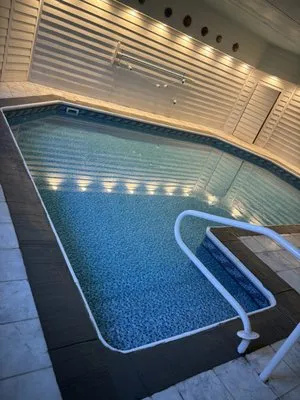
Rivera Concrete Paving is a trusted masonry, concrete, and landscaping contractor serving Round Lake Beach, IL, and surrounding areas. We specialize in comprehensive outdoor solutions including concre...
Estimated Landscaping Service Costs in Grayslake, IL
Question Answers
Why does my Grayslake lawn have drainage issues and compacted soil?
Downtown Grayslake properties built around 1994 have 32-year-old soil profiles. Mollisols/silt loam soils naturally compact over time, reducing permeability to 0.5-1.5 inches per hour. The clay-heavy pockets common in this neighborhood require annual core aeration to maintain oxygen exchange. Adding 0.25 inches of compost annually improves soil structure without altering the optimal pH 6.8-7.2 range.
Should I replace high-maintenance turf with native plants?
Transitioning to Purple Coneflower, Little Bluestem, Butterfly Milkweed and Wild Bergamot reduces mowing frequency from weekly to twice annually. These deep-rooted natives require no irrigation once established and support 3-5 times more pollinator species than turf. The shift aligns with evolving noise ordinances by eliminating gas-powered equipment needs. Native plantings also sequester more carbon in their extensive root systems.
Are clay pavers better than wood for durability and fire safety?
Clay pavers maintain structural integrity for 50+ years versus wood's 10-15 year lifespan in Zone 5b freeze-thaw cycles. Their non-combustible nature supports Grayslake's low Firewise rating by creating defensible space around structures. Crushed limestone bases provide 95% compaction with 0.5-inch minus gradation for stability. These materials require no chemical treatments and develop natural patina that blends with native landscapes.
How do I manage invasive species without chemical overuse?
For common invasives like garlic mustard or buckthorn, we employ mechanical removal during dormancy periods. The Illinois Phosphorus Application Act prohibits phosphorus fertilizers unless soil tests show deficiencies below 25 ppm. We use targeted spot treatments with EPA-registered bioherbicides that break down within 30 days. Regular monitoring prevents establishment while maintaining soil mycorrhizae networks essential for plant health.
What solutions work for seasonal water table issues in clay soil?
High water tables in Grayslake's clay-heavy pockets require French drains with clean washed stone and perforated pipe. We install these 18-24 inches deep with a 1% slope toward daylight or dry wells. Permeable clay pavers and crushed limestone hardscapes meet Planning & Zoning Division runoff standards by allowing 4-8 inches per hour infiltration. These systems prevent surface pooling during spring thaw periods.
How quickly can you respond to storm damage for HOA compliance?
Emergency cleanup dispatch from Central Park via IL-120 reaches Downtown Grayslake within 20-30 minutes during peak conditions. Our electric equipment fleet operates within the 7:00 AM - 9:00 PM noise ordinance window. We prioritize safety assessments before debris removal, ensuring fallen branches don't compromise property structures during the critical first response phase.
What permits and licenses are needed for grading my 0.25-acre lot?
The Grayslake Planning & Zoning Division requires grading permits for any cut/fill exceeding 50 cubic yards. Illinois Department of Financial and Professional Regulation licensing mandates that contractors performing earth moving hold appropriate classification. On 0.25-acre parcels, even minor regrading often triggers review due to stormwater management implications. Certified professionals ensure proper slope ratios and erosion control measures that prevent downstream impacts.
Can I maintain Kentucky Bluegrass during Stage 1 water restrictions?
Evapotranspiration weather-based controllers adjust irrigation to actual plant needs, reducing water use 15-25% while preserving turf health. These systems monitor local weather data to skip cycles after rainfall. For Kentucky Bluegrass/Fine Fescue blends, we program 0.75-1 inch weekly during peak ET periods, staying well within voluntary conservation targets. Deep, infrequent watering encourages deeper root systems that withstand drought stress.
