Top Landscaping Services in Granville, IL, 61326 | Compare & Call

There are 20 landscaping companies server in Granville IL
Taylor's Way is a family-owned, Princeton-based company with deep roots in the community, founded by Clarence 'Buster' Taylor and his father Phil in 1966. Starting as a simple mowing service, it has g...
D&D Property Pros is your local, full-service partner for excavation, landscaping, and demolition in Princeton, IL. We specialize in a comprehensive range of services designed to handle projects of an...
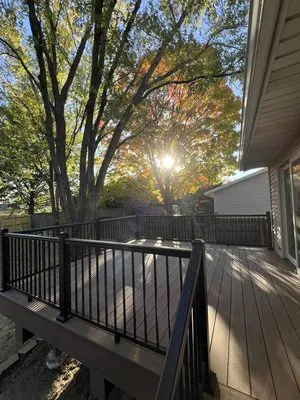
Bollinger Fence & Deck has been serving the Kewanee community for years, providing reliable outdoor solutions for homeowners and businesses. We specialize in transforming and protecting your property ...
Teddy's Landscaping is a trusted, locally-owned landscaping company serving Maple Park, IL, and the surrounding communities. We specialize in diagnosing and solving common local lawn problems like bar...
Hometown Handyman is your trusted local expert in Galesburg, IL, specializing in comprehensive outdoor maintenance solutions. We understand that Galesburg homeowners frequently face frustrating landsc...
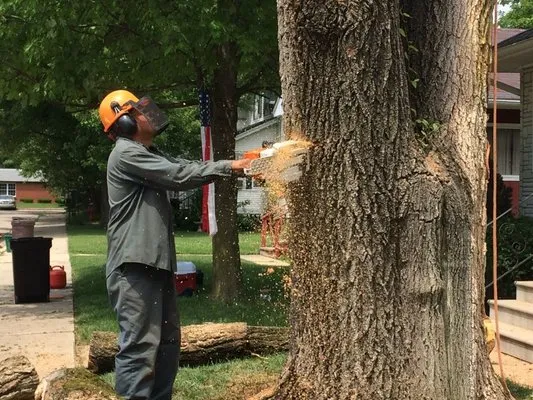
River Landscaping & Tree Service
River Landscaping & Tree Service is a family-owned business serving Ladd, IL, and surrounding areas with comprehensive outdoor solutions. We specialize in tree services, landscaping, and masonry/concr...
All in One Land and Labor Services is a Compton-based company providing essential property maintenance solutions, including pressure washing, landscaping, and moving services. We specialize in address...
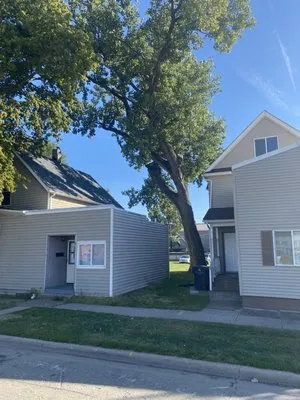
Grass Monkeys Tree And Lawn Care is a trusted local provider serving Geneseo, IL, with comprehensive tree and lawn services. We specialize in firewood, lawn care, tree care, cabling/bracing, disease a...
5700 Growz is a locally owned and operated business in La Salle, IL, founded by Larry Kelly. We specialize in both lawn care and home cleaning services, dedicated to helping our neighbors maintain bea...

Dean Wolber Excavating is a Dixon-based excavation and landscaping contractor dedicated to solving the common property challenges faced by local homeowners. We understand that issues like dying shrubs...
Estimated Landscaping Service Costs in Granville, IL
Question Answers
What invasive species threaten Granville landscapes and how are they managed?
Japanese knotweed and garlic mustard present the highest risks, spreading through root fragments and seed dispersal. Manual removal before seed set combined with targeted herbicide applications during active growth phases controls infestations. Treatment schedules avoid phosphorus fertilizer blackout dates under statewide runoff regulations. Monitoring regrowth for 2-3 seasons ensures complete eradication without soil contamination.
How quickly can you respond to storm damage for HOA compliance?
Emergency cleanup crews dispatch from Putnam County Courthouse Square via IL-89, arriving within 20-30 minutes during peak conditions. We prioritize safety assessments before debris removal, using electric equipment compliant with noise ordinances. Documentation for insurance and HOA requirements includes before/after photos and detailed work logs. Response timing accounts for road conditions and municipal coordination needs.
How can I reduce maintenance while supporting local ecology?
Replacing high-input turf with Purple Coneflower, Butterfly Milkweed, Little Bluestem, and Wild Bergamot creates pollinator habitat requiring minimal care. These natives survive on natural rainfall once established, eliminating weekly mowing and reducing gas equipment use ahead of noise ordinance restrictions. Deep root systems improve soil structure and sequester carbon more effectively than traditional lawns. Transition zones blend natives with maintained turf for aesthetic balance.
Why does my Granville lawn have such poor drainage and compaction issues?
Downtown Granville properties average 65 years of soil development since 1961 construction, creating mature silt loam with reduced permeability. This soil type naturally compacts over decades, restricting water infiltration and root growth. Core aeration every 2-3 years introduces oxygen channels while incorporating compost improves organic matter content. Soil testing confirms pH 6.5-7.2, requiring specific amendments rather than generic treatments.
Are concrete pavers better than wood for Granville patios?
Concrete pavers with crushed limestone bases offer 25+ year lifespans versus wood's 10-15 years with regular maintenance. Their non-combustible nature supports Firewise defensible space requirements, though Granville maintains low fire risk ratings. Proper installation includes geotextile fabric and angular gravel for stability in freeze-thaw cycles. Color-fast concrete resists UV degradation better than stained wood surfaces.
What solutions address seasonal runoff in my backyard?
Moderate runoff in silt loam soils requires graded swales directing water away from foundations toward permeable areas. Crushed limestone bases under concrete pavers increase infiltration rates 40-60% compared to solid surfaces. The Putnam County Building & Zoning Department requires drainage plans showing how runoff meets local standards. French drains with clean gravel layers manage seasonal high water tables effectively.
Can I maintain Kentucky Bluegrass/Tall Fescue without violating water restrictions?
Smart Wi-Fi soil moisture controllers optimize irrigation by tracking evapotranspiration rates and soil saturation levels. These systems apply water only when turfgrass shows 30-40% depletion, reducing usage 25-35% compared to timer-based systems. During Stage 0 restrictions, this technology prevents overwatering while maintaining turf health. Regular calibration ensures sensors account for Granville's silt loam water retention characteristics.
What permits and licenses are needed for grading my quarter-acre lot?
The Putnam County Building & Zoning Department requires grading permits when moving more than 50 cubic yards of soil or altering drainage patterns. Contractors must hold Illinois Department of Financial and Professional Regulation landscaping licenses for earthwork exceeding 500 square feet. Professional licensing ensures proper erosion control during construction and adherence to setback requirements. Site plans must show existing and proposed contours with stormwater management details.
