Top Landscaping Services in Grant, IL, 60020 | Compare & Call
There are 201 landscaping companies server in Grant IL
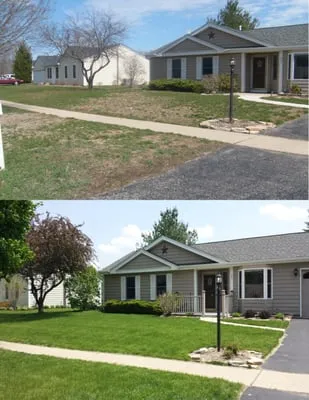
Turf Techs is a family-owned lawn care service deeply rooted in Island Lake, IL. Founded in 1998 by a lifelong local resident, our expertise is built on over 25 years of hands-on experience and formal...
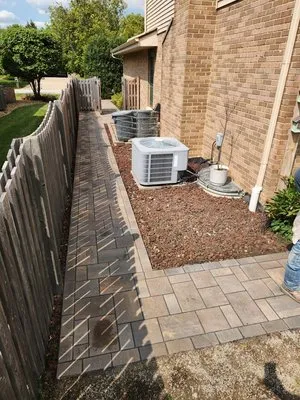
Legacy Landscapes is a trusted Elgin landscaping company with over 15 years of experience transforming outdoor spaces. We specialize in comprehensive landscape solutions including earthmoving, drivewa...
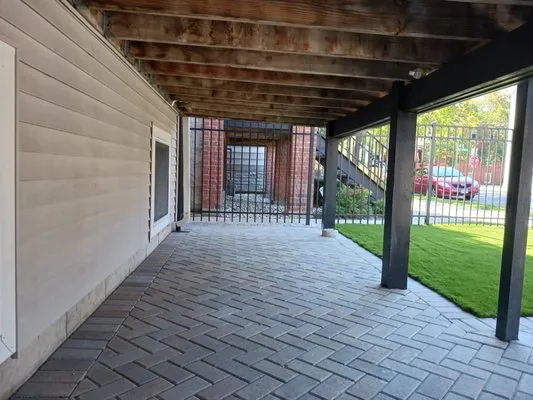
Rosas Landscaping & Ice Control is a trusted local business in Island Lake, IL, founded in 2020 by a team with a combined 23 years of hands-on experience in the field. We provide reliable, year-round ...
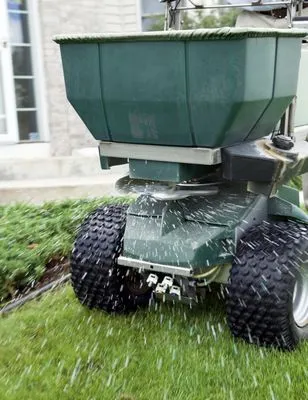
Acre Plus Management is your trusted local partner for comprehensive landscaping and tree care in Kildeer, IL. We specialize in keeping your property healthy and vibrant, addressing common local chall...

Bhoden Project Solutions is a trusted local contractor in Volo, IL, specializing in carpentry, masonry/concrete, and landscaping services. For homeowners dealing with common local issues like landscap...

F Espinoza Landscaping is a family-owned and operated landscaping company that has been serving Crystal Lake, IL, and the surrounding Northwest Chicago suburbs since 1982. With over 40 years of indust...
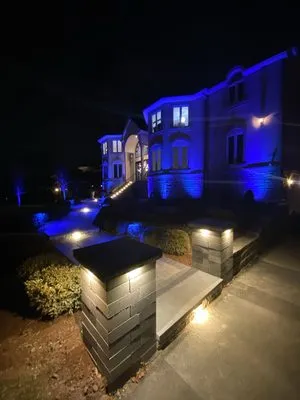
J Juarez Landscaping is a full-service landscaping company serving Lake Villa, IL, specializing in transforming outdoor spaces with expert care. We address common local issues like weed infestation an...
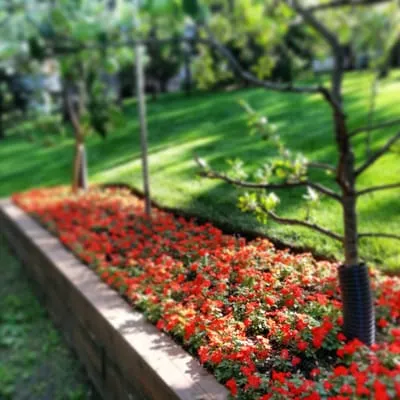
JLP Landscaping Services is a family-owned and operated business serving Wauconda and the surrounding area for over 25 years. Founded by Jose Sr. and his son Jose Jr., the company grew from a small, t...
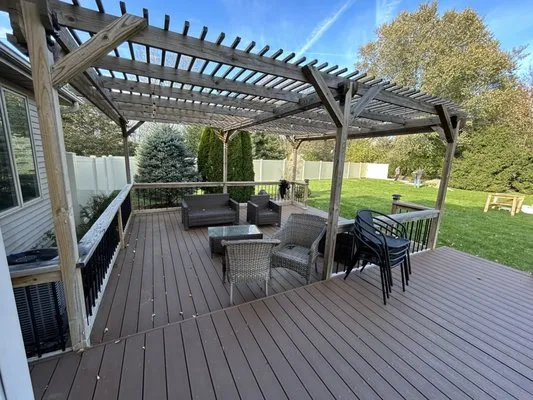
Tri Star Landscape & Fencing is a trusted, locally-owned company serving Spring Grove, IL, and the surrounding areas. We specialize in comprehensive landscaping and fencing solutions designed to addre...
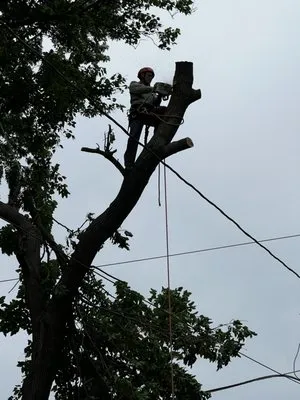
Emilio Moreno started Moreno Landscaping by taking on side jobs, from planting and sod work to bush trimming. What began as a passion project quickly grew through a reputation for hard, honest work, e...
Estimated Landscaping Service Costs in Grant, IL
Question Answers
What permits and licensing are required for grading work on our 0.35 acre property?
Grading projects exceeding 100 cubic yards of earth movement require Lake County Planning, Building and Development permits to ensure proper drainage and erosion control. Contractors must hold Illinois Department of Financial and Professional Regulation licensing for landscape construction, which verifies competency in soil mechanics and hydrological principles. On 0.35 acre lots, even minor grade changes can significantly impact neighboring properties, making professional oversight essential for preventing drainage issues and maintaining property value.
Our Grant Center neighborhood has older homes - why does our soil seem so compacted and what should we do about it?
Homes built around 1986 have 40-year-old landscapes with mature soil profiles. Grant Center's Mollisols silt loam naturally develops dense layers over decades, especially with clay subsoils that restrict root penetration and water infiltration. Core aeration every 2-3 years is essential to break up compaction and improve soil structure. Adding organic amendments like composted leaf mold increases microbial activity and enhances the soil's cation exchange capacity, which benefits the established Kentucky Bluegrass and Tall Fescue blend.
We need emergency storm cleanup to meet HOA compliance deadlines - how quickly can you respond?
Emergency response from Grant Community Park via US Route 12 takes 25-35 minutes during peak conditions. Our electric maintenance fleet operates within Grant's noise ordinance restrictions, allowing early morning deployment without violating the 8:00 AM gas equipment prohibition. We prioritize debris removal and safety hazard mitigation, focusing on restoring property access and preventing secondary damage from fallen limbs or compromised drainage systems.
Our yard has seasonal ponding issues - what solutions work with Grant's clay subsoils?
Moderate seasonal ponding in Grant's Mollisols silt loam results from poor infiltration through dense clay layers 12-18 inches below surface. French drains with clean gravel and perforated pipe redirect subsurface water, while rain gardens with amended soil provide temporary storage and infiltration zones. Replacing impervious surfaces with permeable clay brick pavers meets Lake County Planning, Building and Development runoff standards by allowing 80-90% of rainfall to infiltrate rather than contributing to stormwater systems.
What low-maintenance alternatives exist for high-water turf areas in our landscape?
Replacing water-intensive turf with native plant communities featuring Purple Coneflower, Little Bluestem, Butterfly Milkweed, and Wild Bergamot reduces irrigation needs by 75-90%. These deep-rooted perennials establish self-sustaining ecosystems that require no gas-powered maintenance, staying ahead of Grant's 7:00 PM noise ordinance restrictions. Native plantings support local pollinator populations while providing year-round visual interest with minimal inputs, aligning with 2026 biodiversity standards for urban landscapes.
Should we choose clay brick or wood for our new patio considering longevity and maintenance?
Clay brick pavers offer 50+ year lifespan with minimal maintenance compared to wood's 15-20 year replacement cycle. Brick's non-combustible properties contribute to Grant's Low Urban Interface fire-wise rating by creating defensible space without fuel accumulation. Properly installed with polymeric sand joints, brick pavers resist frost heave in USDA Zone 5b while maintaining permeability for stormwater management. The initial investment yields long-term value through durability and reduced replacement costs.
How can we maintain healthy turf while respecting Grant's Stage 1 water conservation measures?
Wi-Fi ET-based weather sensing irrigation calculates evapotranspiration rates specific to Grant's microclimate, adjusting watering schedules to match actual plant needs rather than fixed timers. This technology reduces water usage by 20-30% while preserving the Kentucky Bluegrass and Tall Fescue blend's health during drought stress. The system automatically complies with voluntary conservation measures by skipping cycles during rainfall events and reducing runtime during cooler periods, maintaining turf quality within municipal water limits.
We've spotted invasive plants spreading - how should we treat them without violating local regulations?
Common invasive species in Grant include garlic mustard, buckthorn, and Japanese knotweed, which outcompete native vegetation and degrade soil health. Mechanical removal before seed set is most effective, followed by targeted spot treatments with glyphosate alternatives that won't violate the no-phosphorus fertilizer ordinance. Timing treatments outside of spring blackout dates prevents nutrient runoff into watersheds while eliminating invasive root systems. Regular monitoring prevents re-establishment without chemical dependency.
