Top Landscaping Services in Glenwood, IL, 60411 | Compare & Call
There are 155 landscaping companies server in Glenwood IL

R.C. Lawn Care & Snow Removal is a trusted, locally-owned provider serving South Holland, IL, and the surrounding area. We offer comprehensive landscaping, tree care, and snow removal services designe...
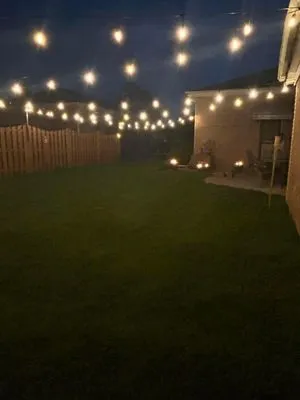
JRBR Enterprises
JRBR Enterprises is a trusted local contractor in Oak Lawn, IL, with over 15 years of hands-on experience in landscaping, snow removal, and general contracting. We specialize in transforming outdoor s...
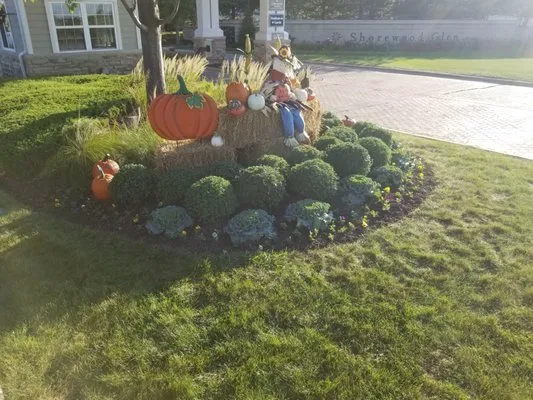
R & R Yard Design has been a trusted provider of landscaping and snow removal services for Northeast Illinois and Northwest Indiana for over 20 years. Based in Lansing, IL, we specialize in delivering...

Luis Outdoor Services is a Midlothian-based landscaping company dedicated to enhancing and maintaining outdoor spaces. We specialize in comprehensive lawn care and tree care services, from routine mai...
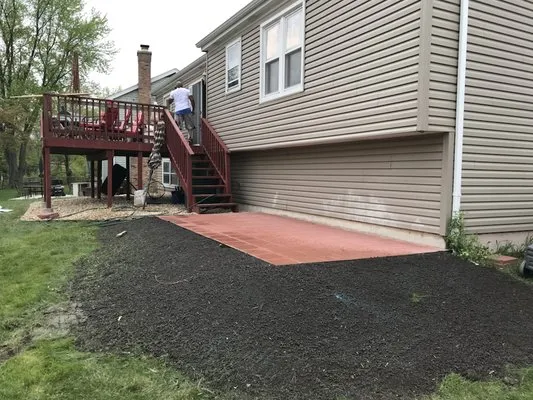
Angel Landscaping is a trusted lawn care provider serving Harvey, IL, and surrounding communities. We specialize in comprehensive lawn services designed to address common local landscaping challenges,...
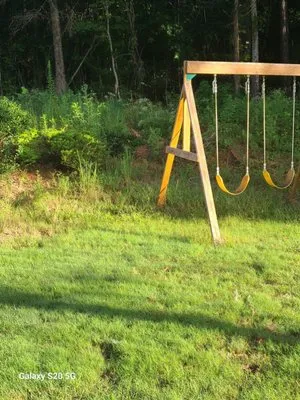
Ultimate Lawn Care
Ultimate Lawn Care is a locally owned and operated business in Tinley Park, built on a foundation of family tradition and personal dedication. The company was founded on the knowledge passed down from...
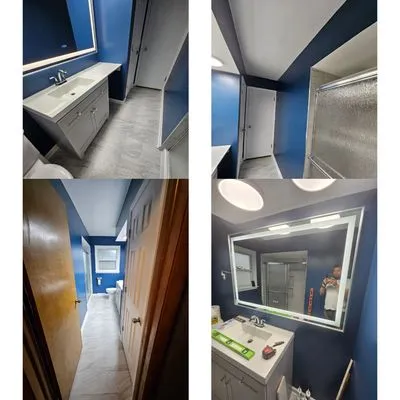
Calderon Remodeling & Landscaping
Calderon Remodeling & Landscaping is your local Chicago Heights partner for transforming homes and outdoor spaces. We specialize in a comprehensive range of services, from kitchen and bathroom renovat...
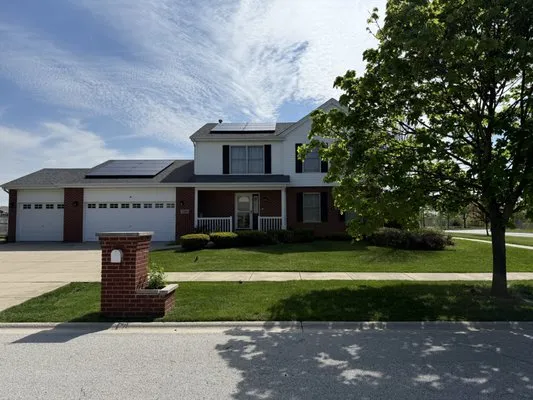
Victor Cuts Landscape is a Chicago-based lawn care service dedicated to maintaining the health and beauty of local properties. We understand the unique challenges of the Chicago climate, including mos...
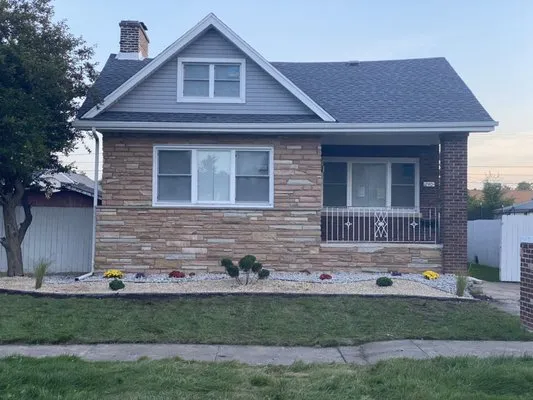
Opportunity Landscaping
Opportunity Landscaping is a licensed, bonded, and state/local certified landscape technician serving Lynwood, IL, with over 20 years of industry expertise. As a small minority-owned business, we bega...
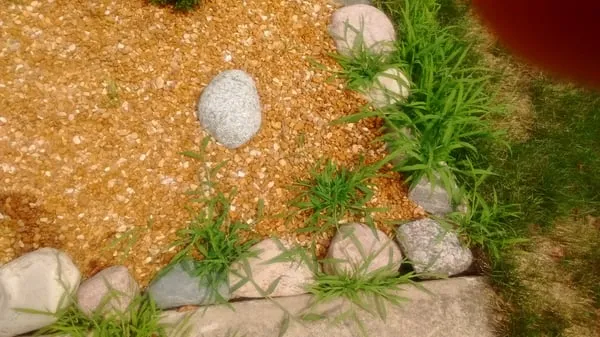
Go Green Lawn and Landscaping is your trusted, local expert for a healthier, more beautiful property in Steger, IL. We understand the specific challenges homeowners face here, from persistent weeds ta...
Estimated Landscaping Service Costs in Glenwood, IL
FAQs
How quickly can you respond to emergency storm damage for HOA compliance in Glenwood?
Emergency cleanup crews dispatch from Glenwood Village Hall with priority routing via I-80/I-94 to reach Glenwood Village Center properties within 25-35 minutes during peak conditions. This response window accounts for debris clearance coordination with municipal services while adhering to the 7am-9pm noise ordinance. Crews carry electric chainsaws and battery-powered blowers to begin immediate hazard mitigation without violating local restrictions.
What solutions address seasonal saturation in Glenwood's clay subsoil conditions?
High seasonal saturation results from poor infiltration through compacted clay layers beneath Glenwood's silt loam topsoil. Installing French drains with clean gravel and perforated pipe at 18-24 inch depths redirects subsurface water away from foundations. Permeable concrete pavers or crushed limestone hardscapes meet Village of Glenwood Building & Zoning Department runoff standards by allowing 80-95% of rainfall to infiltrate rather than contributing to stormwater overload.
What permits and licensing are required for grading work on my 0.22-acre Glenwood property?
Grading projects altering more than 100 square feet require a permit from the Village of Glenwood Building & Zoning Department to ensure proper drainage and erosion control. Contractors must hold active licensing through the Illinois Department of Financial and Professional Regulation, specifically for landscape construction exceeding $5,000 in value. This regulatory framework protects against improper slope modification that could affect neighboring properties' drainage patterns.
Are concrete pavers or wood decks better for long-term durability in Glenwood?
Concrete pavers offer superior longevity with 25-40 year lifespans versus wood's 10-15 years, requiring minimal maintenance in Glenwood's freeze-thaw cycles. Their non-combustible nature supports the Low Fire Wise Rating by creating defensible space without fuel accumulation. Interlocking paver systems also accommodate ground movement better than monolithic concrete, preventing the cracking common in expansive clay soils.
What invasive species threaten Glenwood landscapes and how should they be managed?
Garlic mustard and Japanese knotweed present significant threats in Glenwood's urban-suburban interface, outcompeting natives and degrading soil health. Manual removal before seed set combined with targeted spot treatments using phosphorus-free herbicides complies with Illinois Nutrient Management Law requirements. Timing interventions for early spring or late fall avoids blackout periods while maximizing effectiveness against these aggressive species.
Why does my Glenwood Village Center lawn struggle with compaction despite regular care?
Glenwood's 1968-era homes have soil systems approximately 58 years old, which in silt loam with pH 6.8-7.2 leads to significant compaction from decades of foot traffic and conventional maintenance. This soil type naturally develops dense layers that restrict root penetration and water infiltration. Core aeration every 1-2 years combined with organic amendments like composted leaf mold addresses these historical limitations by improving soil structure and microbial activity.
Can I maintain Kentucky Bluegrass and Tall Fescue under Glenwood's Stage 1 water restrictions?
Smart Wi-Fi ET-based weather sensing irrigation systems precisely match watering to actual evapotranspiration rates, reducing consumption by 20-40% while preserving turf health. These systems automatically adjust for rainfall and temperature fluctuations, maintaining soil moisture at optimal levels for root development. This technology enables compliance with voluntary conservation measures while preventing the dormancy cycles that occur with manual watering during dry periods.
How can I reduce maintenance while preparing for future electric equipment mandates?
Transitioning high-maintenance turf areas to native plantings like Purple Coneflower, Wild Bergamot, Little Bluestem, and Swamp Milkweed creates resilient landscapes requiring minimal intervention. These deep-rooted species improve soil structure, support pollinators, and eliminate weekly mowing cycles. This approach future-proofs properties against evolving noise ordinances while reducing carbon emissions from gas-powered equipment maintenance.
