Top Landscaping Services in Glendale Heights, IL, 60101 | Compare & Call

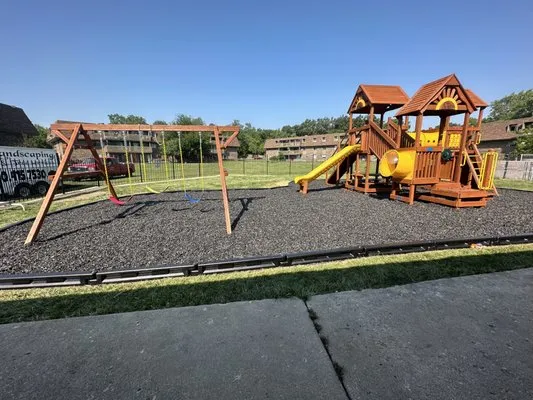
JP Landscaping And Tree Services is a family-owned and operated business serving Glendale Heights, IL, since 2012. Founded by Jose, who started with a single push mower in the neighborhood, the compan...
Signature Lawn Maintenance is a trusted, locally-owned tree and landscaping service provider in Glendale Heights, IL. We specialize in comprehensive landscape maintenance and expert tree care to keep ...
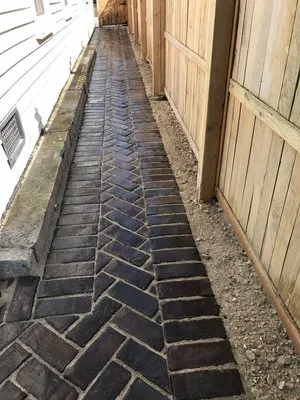
Official Landscaping
Official Landscaping is a family-owned business founded by brothers Raul and Jose Duran, serving Glendale Heights and the greater DuPage County area. With a dedicated crew boasting over 20 years of co...

Perez Landscaping is a family-owned business proudly serving Glendale Heights and the surrounding area for over a decade. As a local, family-run operation, we understand the unique needs of our commun...
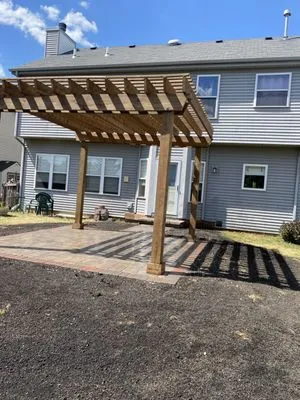
Brass Lawn Care & Landscaping
Brass Lawn Care & Landscaping is a full-service landscaping company serving Glendale Heights, IL, specializing in comprehensive outdoor solutions. We address common local issues like tree root lawn da...
MCR Landscaping is a trusted, locally-owned landscaping company serving Glendale Heights, IL, and the surrounding DuPage County. We understand the common frustrations homeowners face with overgrown sh...
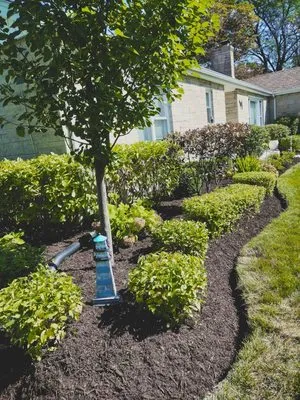
L&O Landscaping and Sealcoating is a trusted local landscaping company serving Glendale Heights, IL, with comprehensive outdoor services. We specialize in transforming residential and commercial prope...
JC & Son Landscaping
JC & Son Landscaping is a trusted, family-owned landscaping company serving Glendale Heights, IL, and the surrounding areas. We specialize in comprehensive landscape maintenance, professional tree car...
M.S landscaping and tree service
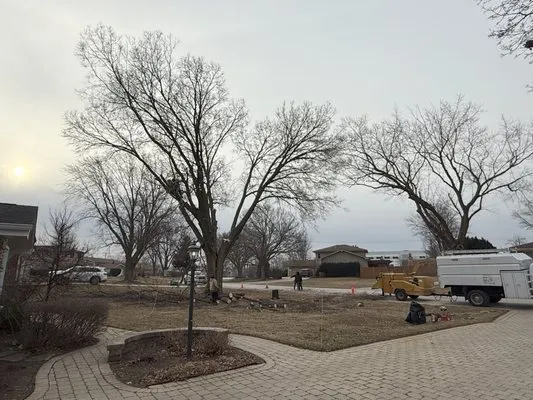
M.S Landscaping and Tree Service is a trusted local provider in Glendale Heights, IL, specializing in comprehensive landscape and tree care solutions. We help homeowners maintain healthy, beautiful ou...
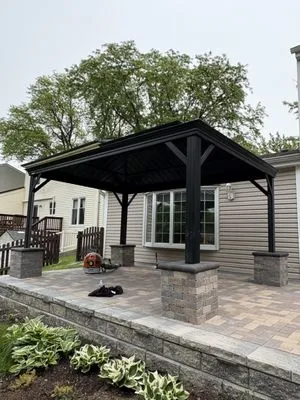
At Soto Landscaping & Paving in Glendale Heights, we approach every project with a personal commitment, treating your property as if it were our own. As a family-operated team, owners Jose Soto and Cr...
Common Questions
What invasive species should I watch for, and how do I remove them safely?
In our USDA Zone 5b, common invasive threats include garlic mustard, creeping bellflower, and bush honeysuckle. Manual removal is effective for small infestations; ensure you extract the entire root system. For chemical control, always use Illinois Department of Agriculture-approved herbicides and strictly follow the Illinois Nutrient Management Plan to avoid phosphorus applications. Treatments are most effective in early spring or fall, but timing must avoid any local blackout dates for fertilizer or pesticide application.
If a storm downs a large limb, how quickly can a crew get here for an emergency cleanup?
For an emergency HOA compliance or safety cleanup, a crew dispatched from our central location near Camera Park can typically reach Glendale Lakes within the quoted 25-35 minute window, even during peak traffic. The route utilizes I-355 for the most direct access. We prioritize these calls to address hazards quickly and can often have the site cleared and debris removed within the same business day, adhering to local noise ordinance hours.
How can I keep my Kentucky Bluegrass lawn green without wasting water or breaking future restrictions?
Smart, Wi-Fi ET-based irrigation is the standard for efficiency. This system uses local weather data to apply only the water lost to evapotranspiration, preventing overwatering common with timer-based systems. While Glendale Heights is currently at Stage 0 for restrictions, this technology proactively conserves water by adjusting for rain and humidity. It maintains turf health by encouraging deeper root growth, making your lawn more resilient during any future drought or water policy changes.
Are concrete pavers or clay brick a better long-term investment than wood for a patio?
For longevity and low maintenance in our climate, both concrete pavers and clay brick far exceed wood. They are impervious to rot, insect damage, and the freeze-thaw cycles of Zone 5b when installed correctly on a proper base. While Glendale Heights has a low Fire Wise rating, these non-combustible materials contribute to defensible space, a critical consideration in higher-risk zones. Their durability and permeability options make them a superior, lifetime investment compared to composite or natural wood decks.
I'm tired of weekly mowing and gas blower noise. Are there quieter, lower-maintenance alternatives?
Transitioning sections of high-input turf to a xeriscape with native plants like Purple Coneflower, Little Bluestem, and Butterfly Milkweed dramatically reduces maintenance. These deep-rooted perennials require no mowing, minimal watering once established, and support local pollinators. This shift future-proofs your landscape against evolving noise ordinances targeting gas-powered equipment and aligns with regional biodiversity goals. The resulting landscape is visually dynamic and ecologically functional.
My yard holds water for days after a rain. What's a long-term solution that also looks good?
Persistent saturation is a direct result of the heavy clay's poor infiltration rate. Beyond regrading and installing French drains, consider replacing solid concrete walkways with permeable pavers or clay brick set on a gravel base. This hardscape choice increases ground permeability, reduces runoff, and can help meet Village of Glendale Heights stormwater management standards. Integrating a rain garden with native plants in a low spot creates a functional, attractive basin that captures and filters runoff.
Why does my lawn in Glendale Lakes feel so hard and compacted, and what's the best way to fix it?
Your property, built in the late 1970s, has soil that has matured for nearly 50 years without significant intervention. The prevalent Mollisols, a silty clay loam, naturally compacts over decades, reducing permeability and root penetration. This compaction is a primary cause of poor infiltration and water pooling. Annual core aeration, combined with top-dressing with compost, is essential to rebuild soil structure and increase organic matter content in this substrate.
What permits and credentials should I verify before hiring a contractor to regrade my yard?
Any significant grading or earthmoving on a 0.22-acre lot likely requires a permit from the Glendale Heights Community Development Department to ensure proper drainage and compliance with village codes. Crucially, the contractor must hold a valid license from the Illinois Department of Financial and Professional Regulation. This licensing ensures they carry requisite insurance and have passed competency exams. Always request and verify both the village permit and the state license number before work begins to protect your property investment.
