Top Landscaping Services in Glen Ellyn, IL, 60137 | Compare & Call
There are 200 landscaping companies server in Glen Ellyn IL
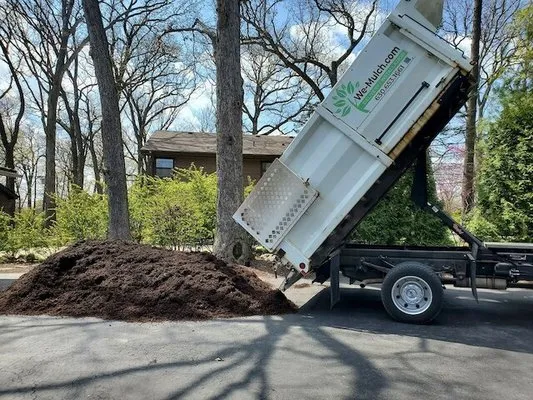
We Mulch is a family-owned and operated mulch supplier serving Wheaton and the surrounding communities. Founded in 2018 but built on decades of experience dating back to 1996, we focus on providing qu...
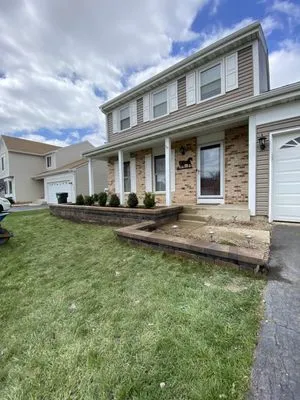
Dynamic Landscape Design is a full-service landscaping company serving South Elgin, IL, and the surrounding Fox Valley area. We specialize in creating and maintaining beautiful, functional outdoor spa...

Frank Savino Landscape
Frank Savino Landscape has been serving Downers Grove, Illinois since 1982, bringing decades of local expertise to every project. Founded by Frank Savino, the business has built a reputation for combi...

DuPage Lawn is a family-owned landscaping and snow removal company serving Lisle and DuPage County for over a decade. Owner Greg works directly alongside his team, bringing a hands-on approach to ever...
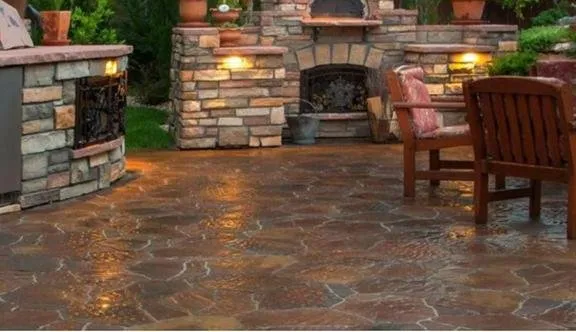
Pablo Lopez & Sons Landscaping is a family-owned, full-service landscaping company based in Darien, IL, serving residential and commercial clients throughout the Western Suburbs. With a commitment to ...
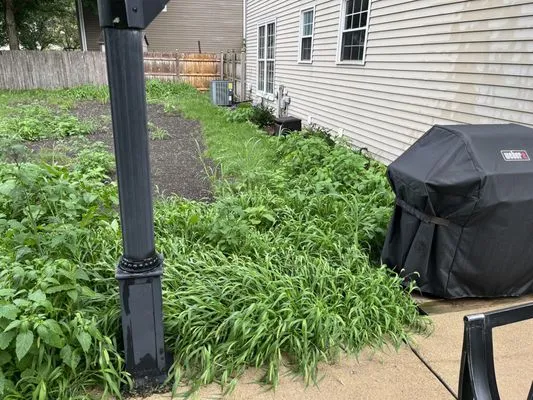
Peckhart Landscaping has been a trusted name in Downers Grove and the western suburbs since 1975. Founded by the Peckhart family, this local business combines decades of hands-on experience with a for...
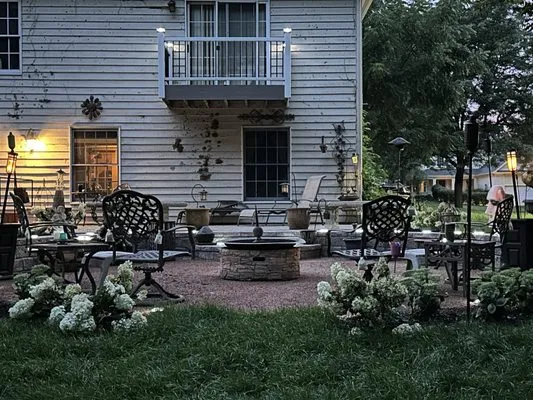
King's Landscape Design
King's Landscape Design is a family-owned and operated business serving Lemont since 1959. Founded by Elbert King and now led by his son, Mark King, who earned his degree from Western Illinois Univers...

Mojica Landscaping is a trusted, locally-owned landscaping company serving Justice, IL, and the surrounding communities. We specialize in tackling common local yard problems, particularly overgrown sh...
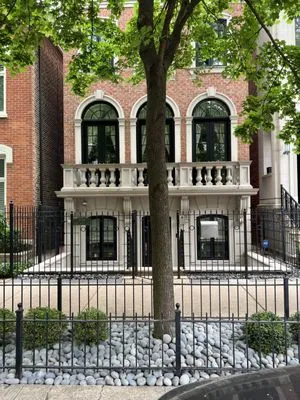
Brothers Landscaping Design has been serving Burr Ridge, IL for over 7 years, providing comprehensive landscaping solutions that blend beauty with functionality. Our team specializes in landscape cons...
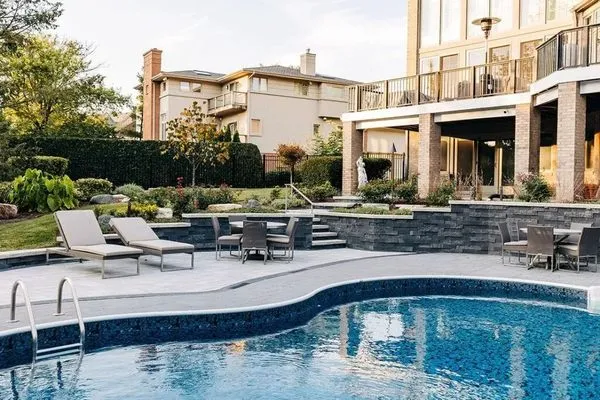
Schmitt's Landscape Company is a trusted Wheaton, IL landscaping business dedicated to solving common local homeowner challenges like landscape edging damage and lawn insect damage. With deep roots in...
Estimated Landscaping Service Costs in Glen Ellyn, IL
Question Answers
Are permeable clay pavers a better choice than composite decking for a new patio?
For durability and ecological function in USDA Zone 5b, permeable clay pavers are superior. They offer exceptional freeze-thaw resistance, require no sealing or staining, and actively manage site runoff. While wood or composite decks provide elevation, pavers contribute to a Firewise USA strategy by creating a non-combustible, defensible space—a prudent consideration for our low-risk urban interface rating—and integrate seamlessly with the soil's drainage needs.
What should I do if I spot invasive Buckthorn or Garlic Mustard taking over a garden bed?
Early mechanical removal is key for invasives like Buckthorn. For established patches, targeted herbicide application by a licensed professional may be necessary, strictly following the Illinois Lawn Care Products Application and Notice Act, which prohibits phosphorus and regulates timing. Always dispose of plant material in yard waste bags to prevent spread, and consider planting Swamp Milkweed or other natives to fill the space and resist reinvasion.
Why does my contractor need a special license to regrade my backyard?
In Illinois, any project altering land elevation or drainage patterns constitutes landscaping, which requires a license from the Illinois Department of Financial and Professional Regulation. On a 0.25-acre lot in Glen Ellyn, improper grading can create off-site water issues, violating village codes. The Village of Glen Ellyn Planning and Development permits such work to ensure it complies with stormwater ordinances, making hiring a licensed professional a legal necessity for liability and compliance.
Is there a lower-maintenance, eco-friendly alternative to my traditional lawn?
Transitioning perimeter zones to a xeriscape of native plants like Purple Coneflower, Wild Bergamot, and Little Bluestem significantly reduces water, mowing, and chemical inputs. This established planting supports local pollinators and creates a resilient landscape. It also future-proofs your property against evolving noise ordinances by reducing dependency on gas-powered blowers and mowers for maintenance.
My yard stays soggy for days after rain. What's the best long-term fix?
Persistent sogginess is a hallmark of Drummer Silty Clay Loam's poor infiltration and our region's high water table. Beyond regrading and installing French drains, specifying permeable clay pavers for any new hardscape is critical. These pavers allow stormwater to percolate into the subsoil, reducing surface runoff and helping projects meet the Village of Glen Ellyn Planning and Development's stormwater management standards for a 0.25-acre lot.
How fast can you respond to an emergency like a storm-damaged tree for HOA compliance?
For emergency cleanup in the Glen Ellyn Downtown District, our dispatch from the Lake Ellyn Park area utilizes I-355 for efficient north-south access, targeting a 20-30 minute arrival during peak conditions. We prioritize safety assessments and debris management to meet municipal and HOA compliance deadlines. Our fleet includes electric equipment for quiet operation within the local 7 AM to 7 PM weekday noise ordinance window.
How can I keep my Kentucky Bluegrass healthy under Stage 1 water conservation rules?
Wi-Fi ET-based weather-sensing irrigation is the definitive solution for Glen Ellyn's voluntary conservation stage. This system calibrates watering schedules daily using real-time evapotranspiration data, applying water only when and where your Fine Fescue and Bluegrass need it. This precision eliminates runoff on dense Drummer soil, reduces total water use by 20-40%, and maintains turf health within municipal guidelines without manual intervention.
Why does my lawn in the Glen Ellyn Downtown District have such compacted, heavy soil?
Glen Ellyn's original Drummer Silty Clay Loam is naturally dense, and residential development around 1971 involved significant grading and compaction. With 55 years of soil maturity since neighborhood construction, this base layer has become heavily consolidated, impeding root growth and water percolation. Annual core aeration and the addition of organic compost are non-negotiable practices to rebuild soil structure and mitigate the low permeability inherent to this soil type.
