Top Landscaping Services in Girard, IL, 62640 | Compare & Call
There are 37 landscaping companies server in Girard IL

D Will Lawn Care Service and Snow Removal
Welcome to D Will Lawn Care Service and Snow Removal, your trusted local partner in Springfield, IL since 2015. We are a dedicated team specializing in comprehensive lawn care, landscaping, and reliab...

For 45 years, Weed Man Springfield has been helping local families create healthy, beautiful outdoor spaces they can truly call home. Co-owned and managed by Josh, an Illinois State University Agribus...
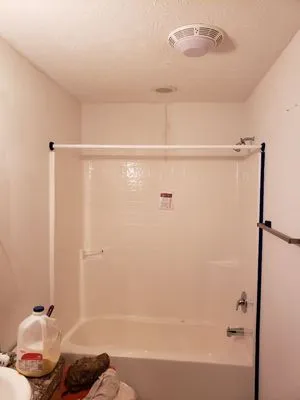
Roberts Handyman Services
Roberts Handyman Services is a locally owned and operated construction business in Springfield, IL, founded by twin brothers with over 20 years of combined experience. With 15 years in the constructio...
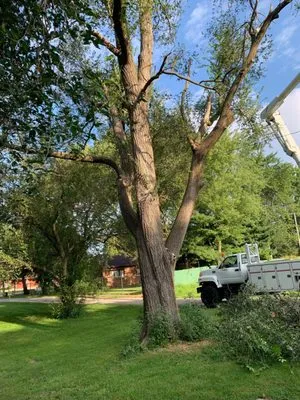
For over a decade, Mad About Trees has been the trusted name for tree health care in Lincoln, IL. We specialize in comprehensive tree care services, from professional removals and proper trimming to d...
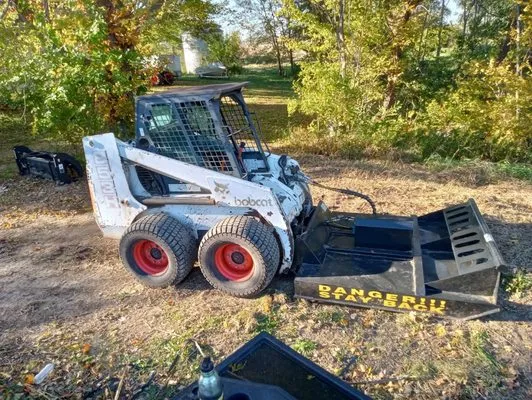
Fiddler's Green Dig and Dump
Fiddler's Green Dig and Dump is a veteran-owned excavation and landscaping company serving Pleasant Plains, IL. With over 20 years of hands-on experience, our team brings practical expertise from farm...

Envy Lawn Care is a trusted, family-owned business dedicated to serving homeowners in Auburn and Chatham, Illinois. We offer a comprehensive suite of services designed to maintain and enhance your pro...

Sanders and Son's Lawn Care is a family-owned and operated business proudly serving Chatham, IL. We provide reliable and affordable lawn care and landscaping services for residential homes, rental pro...
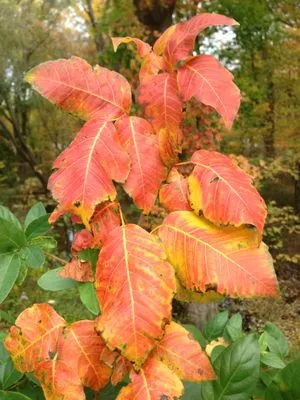
The Ivy in Palmer, IL, is your dedicated local landscaping partner, specializing in creating and maintaining beautiful, healthy outdoor spaces. We understand the common challenges Palmer property owne...
Seasoned Builders is a trusted, full-service contracting and handyman company serving Springfield, IL homeowners. We combine general contracting expertise with specialized skills in handyman services ...
Shades Of Green Unlimited is a locally owned and operated landscaping business in Auburn, IL, founded on a foundation of hard work, high standards, and a genuine passion for the trade. With eight year...
Estimated Landscaping Service Costs in Girard, IL
Questions and Answers
What's the best way to fix moderate seasonal ponding in my low-lying yard?
Silt loam soils have moderate permeability, which exacerbates ponding. A graded French drain system, terminating in a rain garden planted with natives like Little Bluestem, is an effective solution. For new hardscapes, specifying permeable concrete pavers or an open-graded crushed limestone base can meet Macoupin County Planning & Zoning standards for stormwater management by reducing surface runoff.
How quickly can you respond to an emergency storm cleanup to avoid HOA violations?
Our dispatch prioritizes Central Girard for rapid compliance response. A crew routing from the Girard Public Library via IL-4 can typically arrive within the 20-30 minute peak storm window. We coordinate equipment logistics to meet standard municipal noise ordinance hours, ensuring work begins no earlier than 7:00 AM while addressing immediate safety and covenant issues.
Are concrete pavers a better choice than wood for a new patio?
Concrete pavers offer superior longevity and permeability compared to wood, which decays and requires chemical treatment. In our USDA Zone 6a climate, pavers resist freeze-thaw cycles without heaving. For properties concerned with defensible space, the non-combustible nature of pavers and crushed limestone supports the low Fire Wise rating standard, providing a durable, low-maintenance surface that integrates well with native landscaping.
Can I have a healthy lawn while following voluntary water conservation?
Yes, using smart Wi-Fi weather-based irrigation controllers is the standard method. These systems use local evapotranspiration (ET) data to apply water only when needed, preserving turf health within municipal limits. Properly calibrated for our silt loam, they prevent overwatering that leads to runoff or ponding. This technology is essential for maintaining Kentucky Bluegrass during summer heat without exceeding conservation guidelines.
What invasive species should I watch for, and how are they treated safely?
Watch for Japanese knotweed and garlic mustard, which thrive in disturbed silt loam. Treatment involves targeted manual removal or approved herbicide applications during active growth phases. All treatments strictly adhere to the state fertilizer ordinance, prohibiting applications on frozen or saturated ground. A multi-year management plan focused on soil health and plant competition is more effective than one-time eradication.
Do I need a permit to regrade my yard, and who is qualified to do the work?
Regrading a 0.25-acre lot that alters water flow typically requires review by the Macoupin County Planning & Zoning office to ensure compliance with drainage codes. This work must be performed by a professional licensed through the Illinois Department of Financial and Professional Regulation. Proper licensing guarantees that soil compaction, slope stability, and adherence to the state fertilizer ordinance for erosion control are handled to professional standards.
Why does the soil in our Central Girard yards seem so compacted and tired?
Homes built in 1974 have soil that has matured for over 50 years, and the predominant silt loam becomes dense with pedestrian traffic. This compaction restricts root growth and water percolation. Core aeration in spring or fall introduces oxygen and improves soil structure. Amending with organic compost also increases the cation exchange capacity, which enhances nutrient availability for your Kentucky Bluegrass and Tall Fescue.
What are the long-term benefits of switching from turf to native plants?
Transitioning to a palette of Purple Coneflower, Butterfly Milkweed, and Wild Bergamot reduces mowing frequency, fuel consumption, and noise. This proactively aligns with evolving municipal noise ordinances targeting gas-powered equipment. Native plantings establish deep root systems that improve soil health, require no synthetic fertilizer after establishment, and provide critical habitat, supporting 2026 biodiversity benchmarks for residential landscapes.
