Top Landscaping Services in Geneva, IL, 60119 | Compare & Call

There are 185 landscaping companies server in Geneva IL
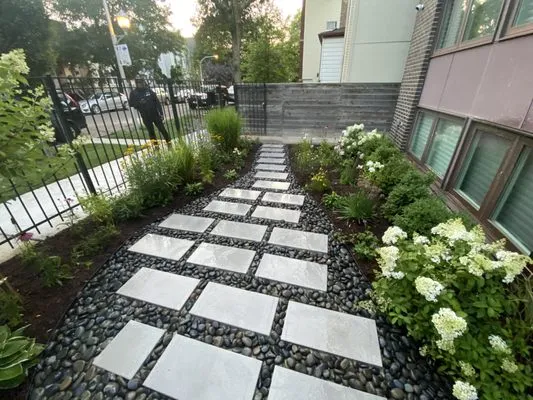
Dante's Native Landscape Services is a full-service landscaping and hardscaping company serving the greater Chicago area. We specialize in native landscaping, using plants naturally adapted to the Mid...
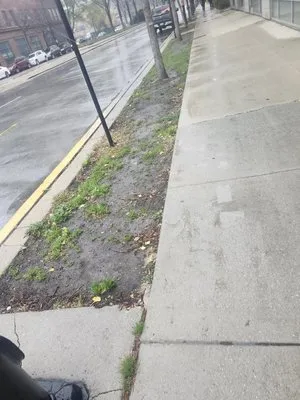
Rafael Landscaping is a full-service landscaping company serving Chicago and the surrounding areas. Owned and operated by Rafael, the business is built on providing reliable, quality work at a fair pr...
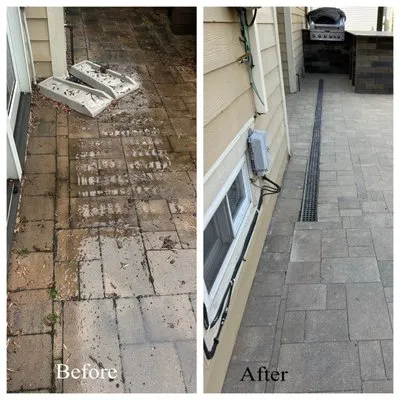
Julio's Services is a family-owned landscaping and snow removal company serving Warrenville, IL, and surrounding areas since 2006. We specialize in comprehensive yard solutions, from earthmoving and r...
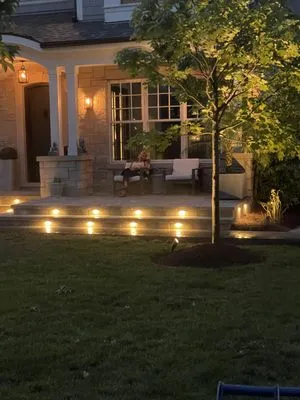
Manuel Brick Paving & Landscaping is a family-owned business that has been enhancing outdoor living in Waukegan and the North Shore since 2005. With over three decades of combined experience, we speci...
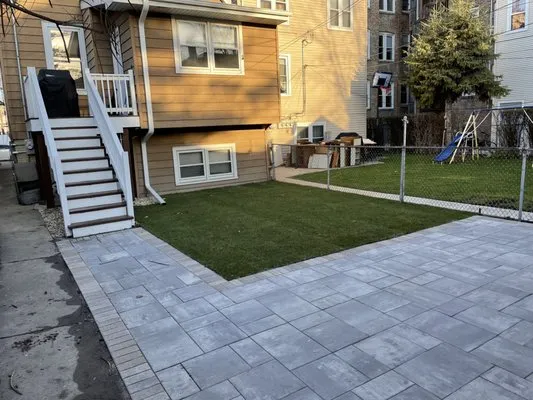
R.A.M. Landscape & Patio Design is a family-owned and operated landscaping business serving Chicago with over 15 years of experience. We specialize in transforming outdoor spaces through comprehensive...
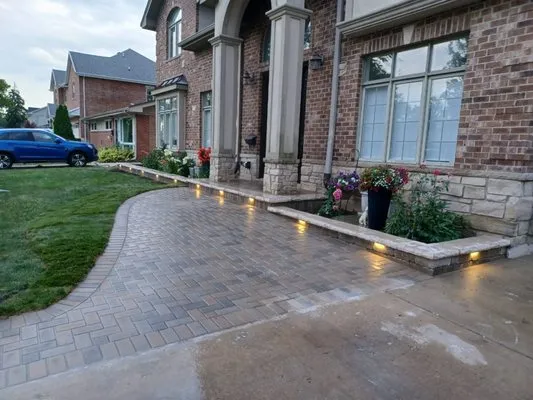
Unikstone Hardscape is a Chicago-based, full-service landscaping and masonry contractor dedicated to transforming outdoor spaces with skill and precision. We specialize in creating durable, beautiful ...
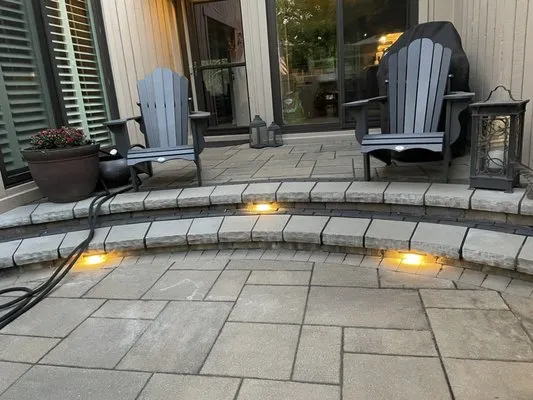
Ringers Landscape Services
Founded by local Crystal Lake native Erik Ringstrand, Ringers Landscape Services began as a dedicated passion project and has grown into a trusted, licensed, and insured contractor serving the Chicago...
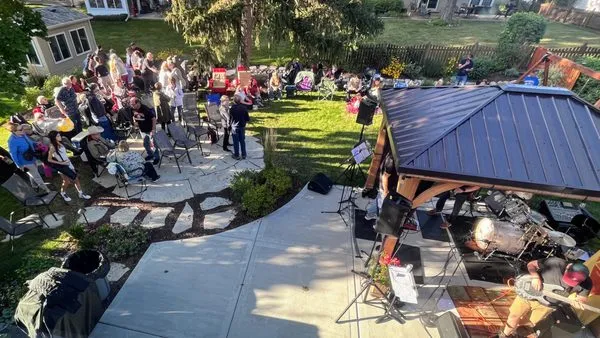
Grant & Power Landscaping
Grant & Power Landscaping has been a trusted name in West Chicago, IL since 1978, specializing in comprehensive landscape solutions for both residential and commercial properties. With a team of over ...
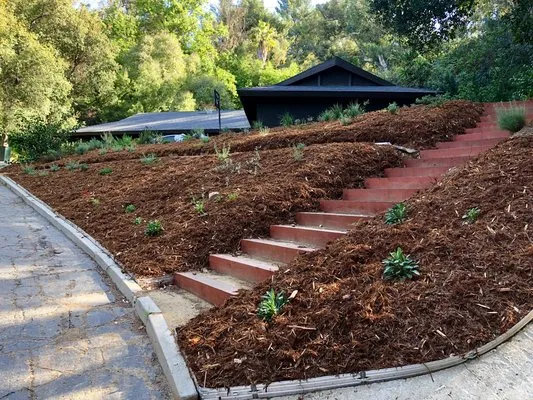
The Mulch Center
The Mulch Center is a locally owned and operated landscaping resource serving Deerfield and the greater Chicagoland area. Founded by Jim Seckelmann with a commitment to quality and value, we've grown ...
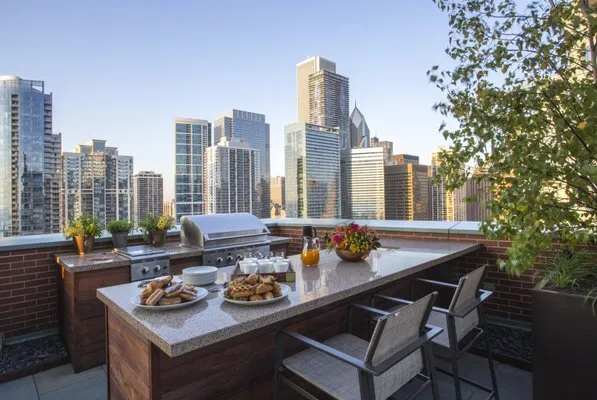
Mariani Landscape is a family-owned landscaping company serving Lake Bluff and the greater Chicagoland area since 1958. Founded by Vito Mariani, an Italian immigrant who started with garden maintenanc...
Estimated Landscaping Service Costs in Geneva, IL
Frequently Asked Questions
Our 40-year-old Geneva yard seems compacted. What's the long-term plan for our soil?
Homes built in the mid-1980s, like many in Geneva's Historic District, are now on 40-year-old soil. The original Mollisols, a silty clay loam, have become dense from decades of foot traffic and conventional maintenance, reducing permeability. To restore health, implement annual core aeration to relieve compaction and incorporate composted organic matter. This builds soil structure and supports the microbial activity needed for healthy turf and native plantings.
What permits and credentials are needed for a significant regrading project on our quarter-acre lot?
Regrading that alters water flow or involves significant earth movement typically requires a permit from the Geneva Community Development Department. For design and installation, ensure your contractor holds a valid Illinois Landscape Architect license or an Illinois Department of Financial and Professional Regulation license for landscaping if the project's value exceeds state thresholds. This ensures the work meets engineering and environmental standards for a property of 0.25 acres.
How can we keep our lawn green during Geneva's Stage 1 water conservation?
Voluntary conservation under Stage 1 requires efficient water use. We program Wi-Fi ET-based weather sensing controllers to irrigate your Kentucky Bluegrass/Tall Fescue blend only when evapotranspiration data indicates need, often in the early morning. This system automatically skips cycles after rain, reducing water use by 20-40% compared to traditional timers while maintaining turf health within municipal guidelines.
We have an urgent HOA notice for storm debris. What's your fastest response protocol?
Emergency cleanup crews are dispatched from our staging area near Wheeler Park. The route west via IL-38/Roosevelt Road allows for a 20-30 minute arrival to most Historic District properties during peak hours. We prioritize safety and compliance, coordinating with municipal services to clear blocked drains and storm-damaged limbs within local noise ordinance hours, which currently restrict work to between 7am and 9pm.
We want a lower-maintenance, quieter yard. What are our options?
Transitioning high-input turf areas to a palette of deep-rooted natives like Purple Coneflower, Little Bluestem, and Prairie Dropseed significantly reduces mowing, watering, and fertilization needs. This xeriscaping approach builds resilience and cuts operational noise from gas-powered equipment, a proactive step as municipalities consider stricter noise ordinances. These plantings also provide critical habitat, aligning with 2026 biodiversity goals.
What invasive species should we watch for, and how do we treat them safely?
Common invasive alerts in Zone 5b include garlic mustard, buckthorn, and creeping Charlie. Manual removal for young plants is effective; for established patches, a targeted, systemic herbicide applied in fall minimizes drift. All treatments must comply with the Illinois Phosphorus Fertilizer Ban, which prohibits phosphorus applications unless a soil test confirms deficiency. We schedule treatments outside of sensitive seasonal blackout dates to protect pollinators.
Is clay brick or limestone better for a new patio, considering longevity and safety?
Both clay brick pavers and dolomitic limestone are durable, mineral-based materials superior to wood for longevity in our freeze-thaw cycles. Brick offers more permeability in sand-set installations, while limestone provides a monolithic look. Given Geneva's low Fire Wise rating, both materials are non-combustible and help create defensible space, though maintaining a 3-5 foot zone of lean, clean, and green vegetation around any hardscape is still recommended for ember resistance.
Our yard pools water for days. What solutions work with Geneva's dense soil?
Poor infiltration is common due to the dense glacial till beneath Geneva's silty clay loam. Solutions begin with regrading to create positive slope away from foundations and installing French drains or dry wells to capture subsurface water. For new hardscapes, specify permeable jointing for clay brick pavers or open-graded base under limestone to increase onsite infiltration, meeting Community Development Department stormwater management standards.
