Top Landscaping Services in Garfield, IL, 60424 | Compare & Call
There are 182 landscaping companies server in Garfield IL
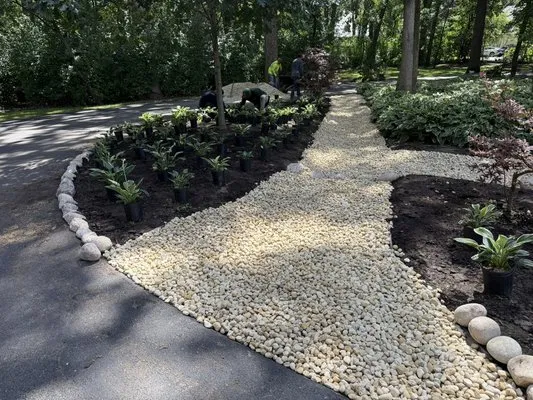
D&E Landscaping is a family-owned and operated lawn care and landscaping business serving Aurora, IL, and the surrounding DuPage, Kendall, and Kane Counties. Founded by owner Diego Ramirez, the compan...
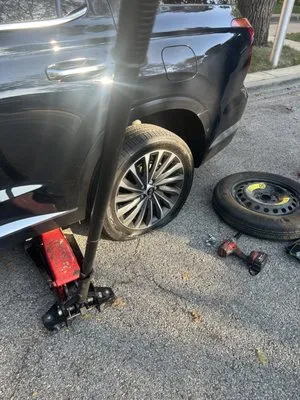
JAK Global Rapid Emergency Roadside is a Chicago-based service provider dedicated to helping residents and drivers throughout the city and its suburbs. Founded with a mission to assist the community, ...

Edge Property Services is a family-owned and operated business proudly serving Prophetstown, IL, and the surrounding Illinois communities. Founded and led by Ethan Edge, our licensed and insured team ...
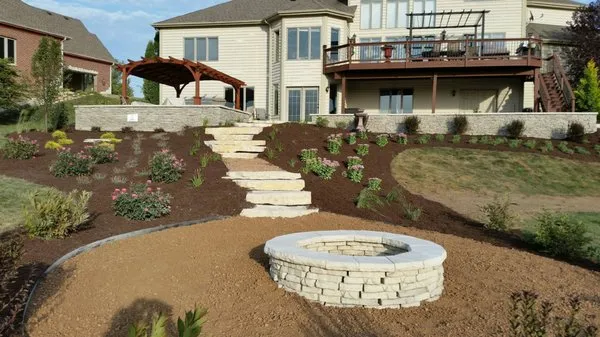
BLC Yardworks is a trusted landscaping company serving Yorkville, IL, and surrounding communities like Oswego and Montgomery since 2008. We specialize in creating beautiful, functional outdoor living ...
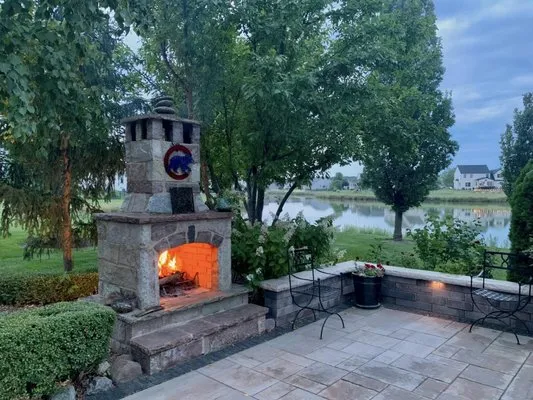
Aztech Landscaping has been serving Sandwich, IL, and surrounding areas since 1998, providing reliable landscaping solutions with a focus on quality workmanship. Specializing in hardscape design and i...
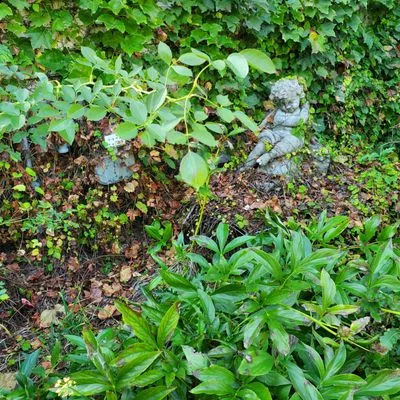
Green T Services
Green T Services is a locally owned and operated home improvement company based in Aurora, IL, serving the Chicagoland area since 2003. Founded by Joe and Tonia Khouri, the business started in their h...
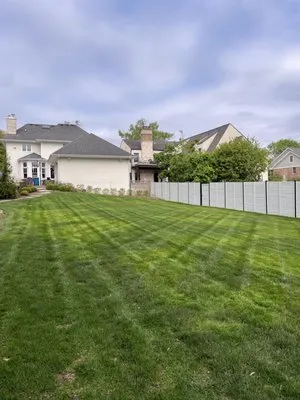
GoldLeaf Landscapes is a trusted Naperville, IL-based provider of professional tree and lawn services, dedicated to helping local homeowners maintain healthy, beautiful outdoor spaces. Many Naperville...
Veteran Owned Lawn Care in Peoria, IL provides professional lawn services to address common local landscaping challenges. As a veteran-owned business, we bring discipline, reliability, and attention t...
Rocha's Lawn Service in Gardner, IL, is a locally owned and operated business founded by Chris Rocha in 2016, though his journey in lawn care began much earlier. Starting at age 9 by helping his grand...
Superior Lawn & Landscape is a locally owned and operated lawn service provider proudly serving Sandwich, IL, and the surrounding counties. Founded by professionals with a combined decade of hands-on ...
Estimated Landscaping Service Costs in Garfield, IL
Q&A
What invasive species should I watch for, and how do I treat them safely?
Garfield properties are at risk for invasive species like creeping Charlie, garlic mustard, and Japanese knotweed. Manual removal is effective for small infestations. For chemical control, use a selective, non-residual herbicide applied in fall, strictly following label instructions. Note that the local fertilizer ordinance prohibits phosphorus applications, which does not affect herbicide use but is critical to remember for any concurrent soil amendment work.
I want to reduce mowing and gas blower noise. What are my options?
Transitioning high-maintenance turf areas to a xeriscape with native plants like Purple Coneflower, Little Bluestem, and Butterfly Milkweed is recommended. These species are adapted to Zone 5b, require no irrigation once established, and eliminate weekly mowing and seasonal blowing. This proactively addresses tightening noise ordinances on gas equipment and provides superior habitat, aligning with 2026 biodiversity and conservation goals.
My lawn soil seems hard and compacted. Why is this common in the Garfield Historic District?
Residential lots in neighborhoods developed around 1976, like ours, often have silt loam soil that has matured for 50 years without significant intervention. This soil type is prone to compaction from decades of mowing and foot traffic, reducing percolation and root growth. Core aeration every other fall is critical to alleviate this, followed by top-dressing with composted organic matter to rebuild structure and microbial activity.
I have seasonal ponding in my yard. What's the best long-term fix for Garfield's clay-heavy soil?
Moderate ponding results from the low permeability of our native silt loam and clay content. Installing a French drain system connected to a safe outlet is the primary correction. For any new patios or walkways, specify permeable concrete pavers, which meet Garfield Department of Planning and Development runoff standards by allowing stormwater to infiltrate and recharge groundwater rather than contributing to surface flooding.
How can I maintain my Kentucky Bluegrass lawn during Stage 1 water conservation?
Wi-Fi ET-based weather-sensing irrigation systems are the standard solution. They automatically adjust watering schedules based on real-time evapotranspiration data, applying water only when the turf needs it. This technology can reduce potable water use by 20-30% while preserving the cool-season grass blend. Deep, infrequent watering cycles also encourage deeper root systems, improving drought resilience within voluntary conservation guidelines.
A storm damaged several trees and my HOA requires a rapid cleanup. How quickly can a crew arrive?
For an emergency cleanup, we dispatch from the Garfield Community Center. Using I-57, our peak storm response time to the Historic District is 25-35 minutes. Our initial assessment prioritizes safety hazards like hanging limbs, and we coordinate debris removal to comply with the city's 8 AM to 7 PM window for gas-powered equipment operation.
Does regrading my backyard require a permit or a licensed contractor?
Yes. Significant grading on a 0.22-acre lot that alters water flow or involves more than 50 cubic yards of earth movement requires a permit from the Garfield Department of Planning and Development. The work must be performed by or under the supervision of a professional licensed by the Illinois Department of Financial and Professional Regulation. This ensures the work complies with drainage codes, protects adjacent properties, and is executed to engineered standards for soil stability.
Are permeable pavers better than wood for a new patio?
Permeable concrete pavers offer superior longevity and functionality compared to wood. They have a 25+ year lifespan with minimal maintenance, do not rot or warp, and manage stormwater on-site. For fire safety, they provide a non-combustible, stable surface that contributes to defensible space, which is a consideration even under Garfield's current Low Urban Interface fire rating. Their installation also typically adds less organic fuel load than wooden decks.
