Top Landscaping Services in Gardner, IL, 62670 | Compare & Call

There are 110 landscaping companies server in Gardner IL
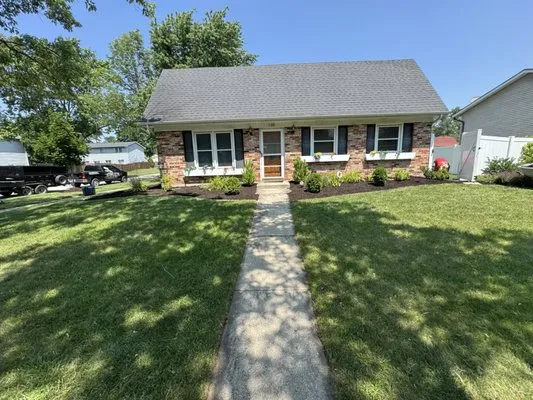
T-Rex Exteriors is a family-owned landscaping and masonry company serving Aurora, IL, and surrounding communities. With over a decade of experience, we specialize in transforming outdoor spaces throug...
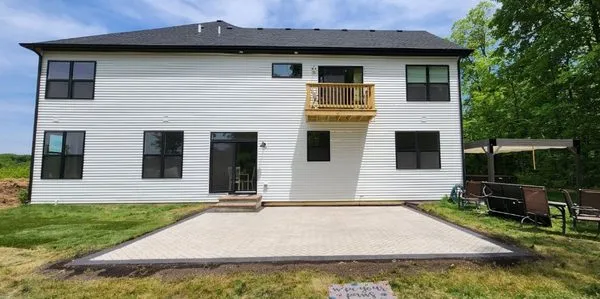
Hardscapes Innovation is your trusted, locally-owned landscaping and hardscaping partner in Aurora, IL. For over a decade, our registered and insured team has been helping homeowners transform their o...

Starved Rock Property Maintenance is your trusted Ottawa, IL neighbor for year-round property care. We specialize in comprehensive snow removal, landscaping, and pressure washing services tailored to ...
Reyes and Sons Landscaping & Lawn Service
Reyes and Sons Landscaping & Lawn Service is a trusted, family-owned provider serving Joliet, IL, with comprehensive solutions for outdoor living. We specialize in transforming properties through expe...
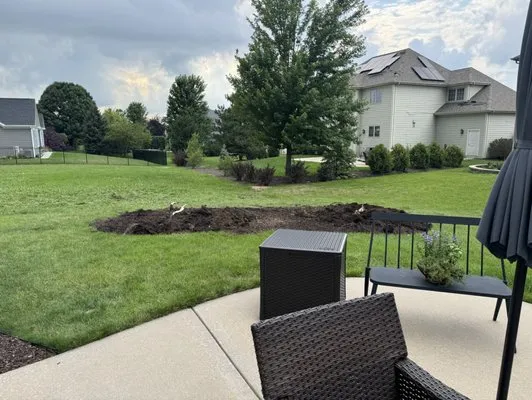
Luis M Tree Service and Landscaping is a family-owned and operated business serving Joliet and the surrounding communities for over two decades. We are certified arborists with a 21-year track record,...
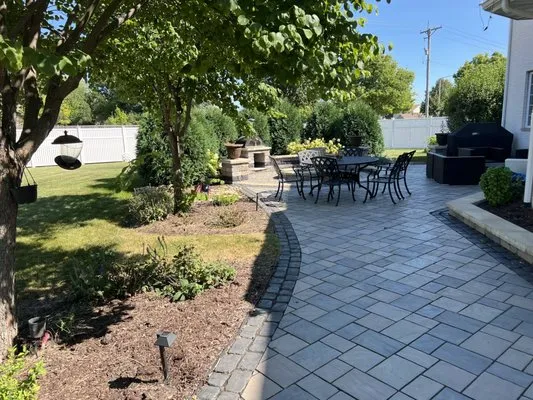
TouchDown Services in Minooka, IL, is your local specialist for transforming outdoor spaces from initial concept to finished construction. We specialize in custom landscape construction and tailored o...

LawnFather Landscape Design is your trusted local partner for transforming outdoor spaces in Joliet and Will County. We specialize in creating durable and beautiful landscapes, combining expert design...
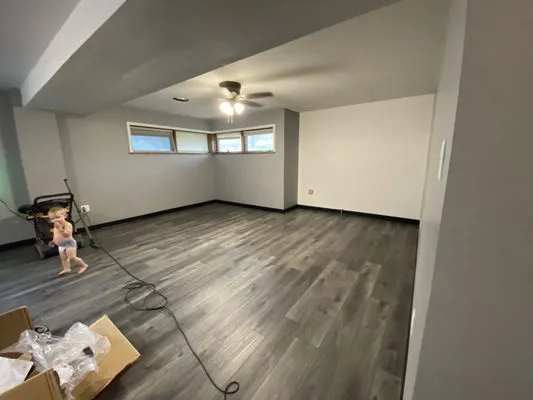
JEG'S Construction is a trusted general contractor serving Joliet, IL, with expertise in remodeling, painting, and landscaping. We specialize in transforming homes through bathroom and kitchen renovat...
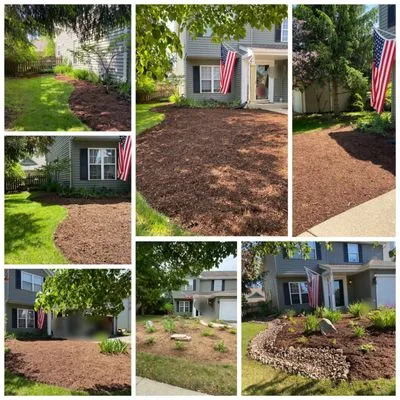
Shreve Services is a trusted landscaping company serving Plainfield, IL, and surrounding communities like Joliet and Naperville since 1984. We specialize in comprehensive property care, including irri...
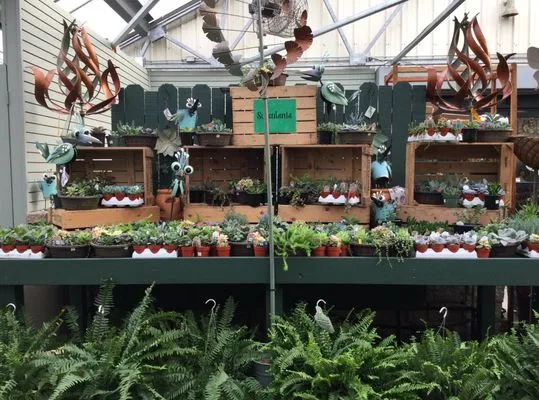
Tholens Landscape & Garden Center
Tholens Landscape & Garden Center has been a trusted resource for Kankakee area homeowners and businesses since 1976. With locations in both Kankakee and Bourbonnais, this family-operated garden cente...
Estimated Landscaping Service Costs in Gardner, IL
Common Questions
Is Dolomite Limestone better than wood for Gardner patios and walkways?
Local Dolomite Limestone offers superior longevity with minimal maintenance compared to wood, which requires regular treatment in Illinois' freeze-thaw cycles. This material provides non-combustible defensible space important for Gardner's Low Fire Wise Rating in urban interface zones. Properly installed limestone surfaces last decades without replacement, resisting moisture damage common with clay soil expansion.
What permits and licenses are required for grading my 0.25-acre property?
Grading work exceeding 50 cubic yards requires a Village of Gardner Building & Zoning Department permit to ensure proper drainage and erosion control. Contractors must hold Illinois Department of Financial and Professional Regulation licensing for earth moving operations. On 0.25-acre lots, even minor grade changes can impact neighboring properties, making professional oversight essential for compliance and preventing water intrusion issues.
Why does my Gardner Historic District lawn struggle with compaction and poor drainage?
Gardner's 1969 average home construction means soil has matured for 57 years, developing dense layers in Drummer Silty Clay Loam. This soil type naturally restricts permeability, leading to seasonal water table issues common in older neighborhoods. Core aeration every 2-3 years with organic amendments like compost improves soil structure and oxygen availability. Without intervention, compaction reduces root depth for Kentucky Bluegrass and Tall Fescue blends.
Should I install smart irrigation with Stage 0 water restrictions in place?
Stage 0 indicates no active restrictions but doesn't guarantee future water availability. Smart Wi-Fi ET-based controllers calculate evapotranspiration rates to apply precise water amounts, preserving Kentucky Bluegrass/Tall Fescue blends while reducing consumption 20-30%. These systems automatically adjust for rainfall and temperature changes, maintaining turf health within municipal water limits without manual intervention.
How can I reduce maintenance while preparing for electric equipment mandates?
Replacing high-maintenance turf with Purple Coneflower, Little Bluestem, Butterfly Milkweed, and Wild Bergamot creates resilient landscapes requiring minimal care. These natives thrive in Zone 5b without frequent mowing or chemical inputs. Transitioning now positions properties ahead of noise ordinance expansions targeting gas-powered blowers, while supporting 2026 biodiversity standards through pollinator habitats.
How quickly can you respond to emergency storm damage for HOA compliance?
Emergency cleanup crews dispatch from the Gardner Street Railway Museum area via I-55, reaching most Gardner Historic District properties within 45-60 minutes during peak conditions. We prioritize safety assessments and debris removal to meet municipal noise ordinance hours (8 AM-8 PM). Our electric fleet operates quietly for early morning response when gas equipment would violate local regulations.
What solutions address poor infiltration in Gardner's clay-heavy soils?
Drummer Silty Clay Loam's poor infiltration requires graded swales or French drains to redirect water from foundations. Permeable Dolomite Limestone patios and walkways meet Village of Gardner Building & Zoning Department runoff standards by allowing water penetration. For severe cases, dry wells or rain gardens with native plants improve absorption while managing the high seasonal water table.
What invasive species threaten Gardner lawns and how should I treat them?
Japanese knotweed and garlic mustard present significant risks in established neighborhoods. Manual removal before seed set prevents spread without violating Illinois Phosphorus Fertilizer Act restrictions. For persistent infestations, targeted spot treatments using EPA-approved herbicides avoid broad application on established turf. Always check blackout dates for fertilizer applications to maintain compliance with local ordinances.
