Top Landscaping Services in Galesburg City, IL, 61401 | Compare & Call
There are 65 landscaping companies server in Galesburg City IL

Bowling Lawn Care & Snow Removal
Bowling Lawn Care & Snow Removal is a locally owned and operated business serving Galesburg, Monmouth, Peoria, and surrounding communities in Illinois. We provide comprehensive lawn care and snow remo...
Riley Lawncare & Snowplowing is a trusted, full-service provider for Galesburg, IL homeowners, tackling the area's common landscaping challenges year-round. We understand that local issues like persis...
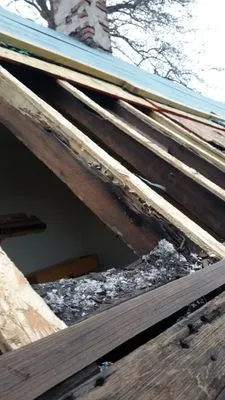
Brewtus Multi Services is a trusted, full-service handyman and landscaping company serving Galesburg and the surrounding areas. We help local homeowners tackle a wide range of property challenges, fro...
Z & C Lawn Care and Home Repairs is your trusted local solution in Galesburg, IL, tackling the specific challenges homeowners face after severe weather and seasonal wear. We understand that storms can...
Always Green is a trusted landscaping company serving Galesburg, IL, dedicated to keeping local properties vibrant and well-maintained. We specialize in addressing common area challenges like sprinkle...
R & T Lawncare is a trusted, full-service provider in Galesburg, IL, dedicated to keeping local properties healthy and well-maintained year-round. We understand the specific challenges homeowners face...
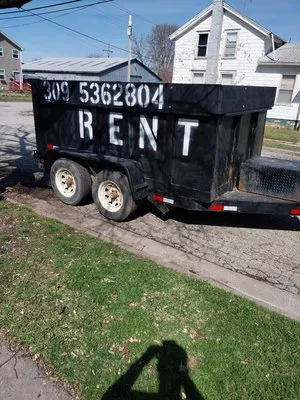
Sundvall's Service is a trusted local provider in Monmouth, IL, offering comprehensive dumpster rental, lawn care, and tree services to keep your property clean, safe, and well-maintained. We understa...
Liqui Green Lawn & Tree Care is a trusted local landscaping and tree service provider in Galesburg, IL, dedicated to maintaining healthy, beautiful outdoor spaces. We specialize in landscape maintenan...
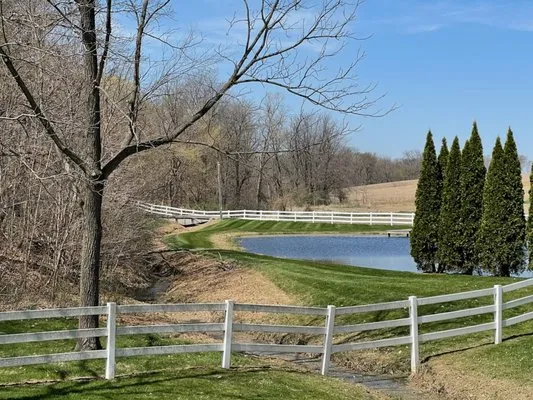
Petty Crew is a trusted lawn care provider serving Abingdon, IL, specializing in comprehensive lawn maintenance and health solutions. We understand the unique challenges local homeowners face, such as...
Lewis Lawn Care in Galesburg, IL, began as a simple side gig with just a push mower, weed whacker, and blower. What started as a hobby quickly grew into a true passion for owner Lewis, who loves seein...
Estimated Landscaping Service Costs in Galesburg City, IL
Q&A
What permits and licenses are required for grading my 0.22-acre lot?
Grading work on 0.22-acre lots in Galesburg requires a permit from the Community Development Department when moving more than 50 cubic yards of soil. Contractors must hold Illinois Department of Agriculture licensing for landscape construction exceeding $1,000 in value. These regulations ensure proper drainage patterns and prevent erosion into municipal systems. Professional licensing verifies competency in soil mechanics and local ordinance compliance.
What are the benefits of replacing traditional turf with native plants?
Transitioning from high-maintenance turf to Purple Coneflower, Little Bluestem, Butterfly Milkweed, and Wild Bergamot reduces water needs by 70-90%. These deep-rooted natives improve soil structure and support pollinator populations ahead of 2026 biodiversity standards. Electric maintenance equipment for native landscapes operates within municipal noise ordinances without gas-blower restrictions. Native plantings require minimal fertilization, aligning with phosphorus application regulations near water bodies.
Which hardscape materials offer the best longevity for Galesburg's climate?
Concrete pavers and clay brick outperform wood in longevity, with 25-50 year lifespans versus wood's 10-15 years. These materials maintain structural integrity through freeze-thaw cycles common in USDA Zone 5b. Their non-combustible nature supports Galesburg's low Fire Wise rating by creating defensible space around structures. Properly installed permeable systems also reduce stormwater runoff while providing durable surfaces.
How quickly can you respond to an emergency tree cleanup after a storm?
Our electric fleet can dispatch from Galesburg City Hall within 15-20 minutes during peak storm response. We route via I-74 to minimize travel time while complying with municipal noise ordinances. This rapid response prevents further property damage and addresses immediate safety hazards. Our equipment meets all Illinois Department of Agriculture licensing requirements for emergency tree work.
What solutions exist for poor drainage in my flat Galesburg yard?
Flat topography with silty clay loam soil creates poor infiltration rates, often below 0.25 inches per hour. Installing permeable concrete pavers or clay brick systems creates subsurface drainage channels that meet Galesburg Community Development Department runoff standards. These materials allow 4-8 inches of water per hour to infiltrate while providing stable surfaces. French drains connected to dry wells provide additional capacity for heavy rainfall events.
Why does my Galesburg Historic Downtown lawn struggle despite regular care?
Properties in Historic Downtown Galesburg, built around 1953, have 73-year-old soil systems. The Mollisols/silty clay loam common here has likely become compacted over decades, reducing permeability below the optimal 6-8 inches per hour. This compaction restricts root growth for Kentucky Bluegrass and Tall Fescue blends. Core aeration with organic compost amendments improves soil structure by increasing pore space for air and water movement.
How can I maintain my lawn during dry periods without violating water restrictions?
Smart Wi-Fi soil-moisture based controllers optimize irrigation by measuring actual soil conditions rather than using fixed schedules. These systems apply water only when soil moisture drops below optimal levels for Kentucky Bluegrass and Tall Fescue. This ET-based approach typically reduces water use by 20-40% while maintaining turf health. The technology automatically adjusts for rainfall and evaporation rates specific to Galesburg's climate.
How should I address invasive species without harming my landscape?
Japanese knotweed and garlic mustard present significant risks in Galesburg's USDA Zone 5b. Manual removal during early growth stages prevents seed dispersal without chemical intervention. For established infestations, targeted glyphosate applications in fall minimize impact on desirable plants. These treatments avoid state-mandated phosphorus application blackout dates near water bodies. Always verify treatment timing with Illinois Department of Agriculture guidelines.
