Top Landscaping Services in Galena, IL, 61036 | Compare & Call

Galena Greenhouse Landscaping is a trusted local landscaping company serving Galena, IL, and the surrounding area. We specialize in addressing common local landscaping challenges, particularly overgro...

Perfection Lawn Care & Landscaping is a trusted local landscaping company serving Galena, IL, and the surrounding area. We specialize in comprehensive lawn care and landscaping solutions tailored to t...

Since 1987, Dan Kane Landscaping & Lawn Service has been providing reliable landscaping, snow removal, and masonry services to homeowners and businesses in Galena, IL, and the surrounding areas. Our t...
ProLine is a trusted local landscaping company serving Galena, IL, and the surrounding Tri-State area. We specialize in diagnosing and repairing common local irrigation problems, such as persistent sp...
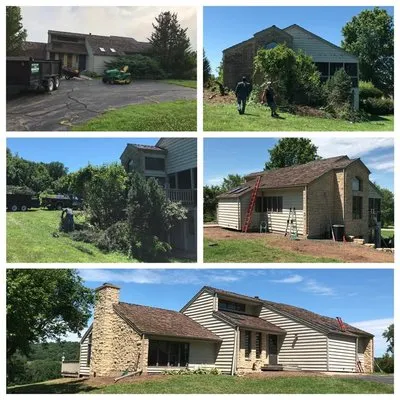
Village Lawn Care is your trusted, locally-owned landscaping and tree service provider in Galena, IL. We specialize in comprehensive landscape maintenance and expert tree care, designed to solve the c...
Jake's Lawn Care & Handyman Service is your trusted local expert in Galena, IL, dedicated to maintaining and improving your property's outdoor space. We specialize in comprehensive lawn care services ...
Robinson Mowing Service is a trusted, locally-owned lawn care provider serving Galena, IL, and the surrounding area. We specialize in consistent, high-quality mowing to maintain the beauty and health ...
Erics Power Washing Landscaping And More
Eric's Power Washing, Landscaping And More is a locally owned and operated business serving Galena, IL, with comprehensive outdoor care solutions. Founded by Eric, a Galena native who grew up working ...
Q&A
I'm building a new patio. Is local limestone or composite wood better for longevity and safety here?
Galena Dolomite Limestone is superior for durability and fire resilience. It is a non-combustible material that lasts decades with minimal upkeep, while wood and composites degrade and present a fuel source. In a Moderate Wildland-Urban Interface zone, using stone for patios and walkways contributes to defensible space by creating a fire-resistant barrier around your home, a key consideration for property hardening and insurance ratings.
I want to regrade part of my yard to fix drainage. Do I need a permit, and what type of contractor should I hire?
Significant regrading on a 0.25-acre lot, especially in the Historic District, often requires a permit from the Galena Building & Zoning Department to ensure changes do not adversely affect drainage patterns or neighboring properties. You must hire a contractor licensed by the Illinois Department of Agriculture for landscaping or a licensed excavator. This licensing ensures they understand legal requirements for soil movement, erosion control during work, and compliance with local ordinances.
I see a fast-spreading vine taking over my flower bed. How do I stop it without harming my other plants or breaking the law?
This is likely an invasive species like creeping Charlie or bindweed. First, confirm identification with the University of Illinois Extension. Treatment involves targeted, manual removal or careful spot-application of herbicide when the plant is actively growing, strictly following label instructions. The Illinois Lawn Care Products Application and Notice Act prohibits phosphorus fertilizer on established turf without a soil test, but it does not govern most selective herbicides for invasive control if applied correctly.
How can I keep my Kentucky Bluegrass lawn green without wasting water or breaking any rules?
Galena has no formal water restrictions, but standard conservation is expected. Smart Wi-Fi soil moisture sensors are the critical tool, scheduling irrigation only when the root zone moisture drops below plant needs, not on a fixed timer. This ET-based system applies water precisely, reducing usage by 20-40% while maintaining turf health. It prevents overwatering that exacerbates our area's high runoff issues on steep slopes.
A storm just knocked down a large limb. How fast can a crew get here for an emergency cleanup?
Emergency storm response is typically 20-30 minutes during peak events from our central dispatch point. The standard route from Grant Park uses US Route 20 for direct access to the Historic District. Crews are equipped for immediate debris removal and safety mitigation, prioritizing blocked driveways and hazardous hangs to restore property access and safety swiftly.
I'm tired of weekly mowing and noisy gas equipment. What's a lower-maintenance alternative to grass?
Transitioning high-maintenance turf to a xeriscape with native plants like Purple Coneflower, Wild Bergamot, and Butterfly Milkweed drastically reduces water, mowing, and chemical needs. These deep-rooted perennials stabilize soil and support local pollinators. This approach future-proofs your property against evolving noise ordinances that increasingly restrict gas-powered blowers and mowers, aligning with the shift to quieter, electric maintenance fleets.
My yard on a steep slope erodes every time it rains. What's a permanent solution that will also look good?
Silt loam soils on slopes are highly prone to erosion from rapid runoff. A tiered solution combines subsurface French drains with surface swales lined with native plants like Little Bluestem to slow and absorb water. For patios or paths, using permeable Galena Dolomite Limestone set in a gravel base allows water to percolate, meeting Galena Building & Zoning Department standards for managing stormwater on-site and protecting your foundation.
My lawn is thin and water runs off quickly. Is the soil in my Galena Historic District yard just naturally poor?
Lots in neighborhoods with houses averaging from 1947 have 79-year-old soil profiles. Original construction and decades of standard lawn care have compacted the native silt loam, reducing its permeability and organic matter. Your soil pH of 6.5-7.2 is suitable, but the primary issue is physical degradation. Core aeration and incorporating compost are essential to restore structure, increase water infiltration, and support healthy turf root systems.
