Top Landscaping Services in Fort Russell, IL, 62010 | Compare & Call
There are 137 landscaping companies server in Fort Russell IL
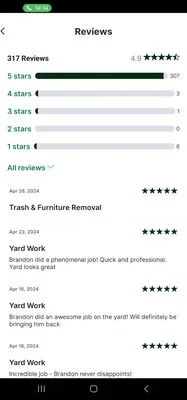
Brandon Fisher of Fisher Lawncare and Hauling in Alton, IL, brings comprehensive expertise to every project, from basic lawn care and landscaping to full-scale junk removal and hauling. With over 300 ...
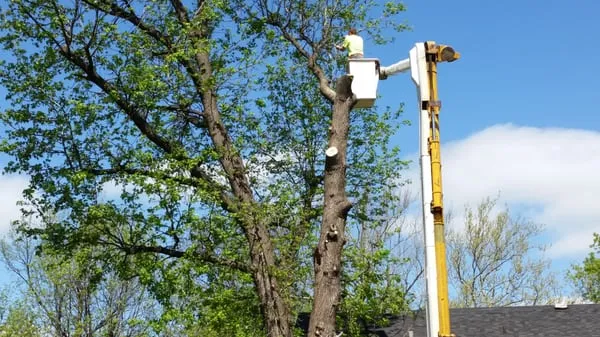
Madison County Tree Service
Madison County Tree Service is a family-owned and operated business based in Cottage Hills, IL, with deep roots in the local community. Founded by a family man with extensive experience in the service...
A Josh of ALL Trades is your local Alton solution for home maintenance and improvement, blending general contracting expertise with reliable handyman and lawn care services. Founded by Josh, a dedicat...
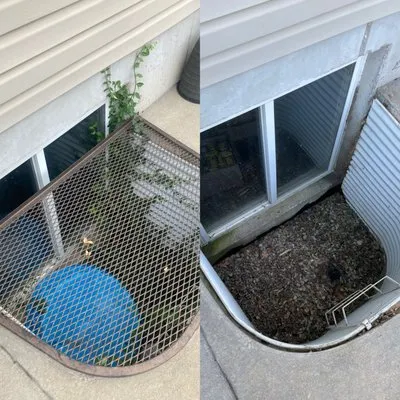
B's Lawn Care is a trusted, full-service provider for homeowners in Wood River, IL, specializing in lawn care, tree care services, and junk removal. We understand the unique challenges of local yards,...
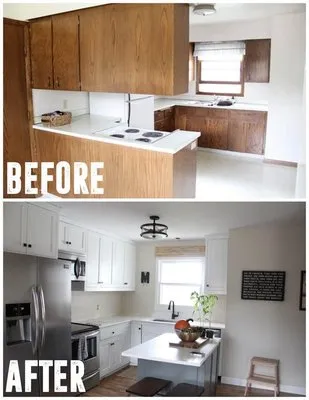
Evergreen Construction & Landscaping is a family-owned and operated business in Livingston, IL, with deep roots in the community. Founded in 1988, we are now a third-generation company, carrying forwa...
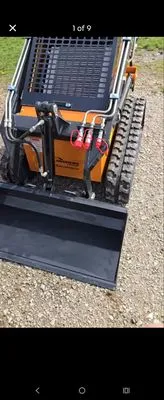
Alton Excavating Landscaping and Mowing is a trusted, full-service contractor serving Alton, IL, and the surrounding communities. We specialize in both heavy-duty excavation and detailed landscaping, ...
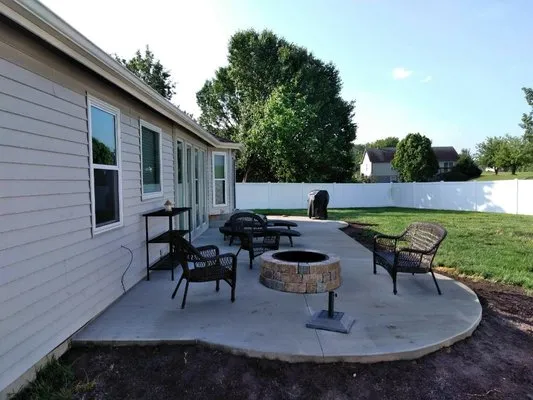
Green Leaf Lawn Care is a locally owned and operated business serving Cottage Hills, IL, since 2014. Starting with just a truck and basic equipment, we've grown into a trusted team offering comprehens...
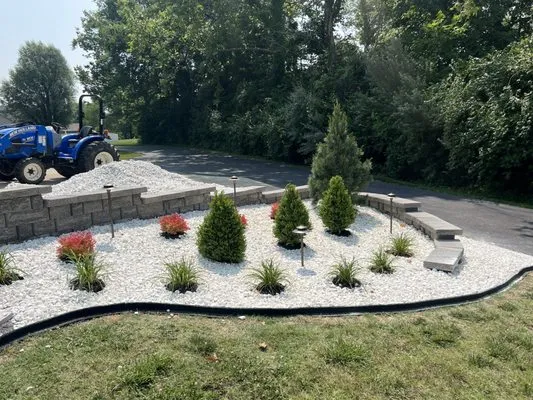
Malter’s Lawn Co x Landscaping is a Troy-based lawn care service dedicated to solving common local yard challenges. We understand that issues like patchy, thin grass and persistent standing water can ...
A Cut Above the Rest Lawn Care & Landscaping is a dedicated local provider in Troy, IL, specializing in comprehensive lawn care services to address common landscaping challenges faced by homeowners. M...
Lybarger Landscaping is a trusted landscaping company serving homeowners in Troy, IL. We specialize in addressing common local issues like soil compaction and poor lawn grading that can lead to draina...
Estimated Landscaping Service Costs in Fort Russell, IL
Q&A
What solutions work for seasonal water pooling in my low-lying yard?
Moderate seasonal saturation in Fort Russell's silt loam soils requires improved permeability to prevent root rot and soil erosion. Installing French drains or dry creek beds can redirect excess water away from problem areas. Using permeable concrete pavers for patios or walkways meets Fort Russell Department of Planning and Development runoff standards while allowing water infiltration. These solutions address the low-lying topography common in Russell Heights without creating downstream flooding issues.
How quickly can you respond to an emergency tree cleanup after a storm?
Our emergency storm response team can typically reach Russell Heights properties within 20-30 minutes during peak conditions. We dispatch from our operations near the Fort Russell Community Center, taking IL-130 directly to your neighborhood. This rapid response helps prevent further property damage and addresses immediate safety hazards from fallen limbs or compromised trees, particularly important for maintaining HOA compliance after severe weather events.
What are my options for reducing lawn maintenance while supporting local ecology?
Transitioning high-maintenance turf areas to native plantings like Purple Coneflower, Little Bluestem, Butterfly Milkweed, and Wild Bergamot creates resilient, low-input landscapes. These species require minimal watering once established and provide essential habitat for pollinators and birds. This approach aligns with evolving noise ordinances that increasingly restrict gas-powered equipment, as native plantings need less frequent mowing and blowing than traditional turf grass.
What permits and licenses are needed for landscape grading on my quarter-acre lot?
Grading work on a 0.25-acre property in Fort Russell requires both municipal permits and professional licensing. The Fort Russell Department of Planning and Development issues grading permits to ensure proper drainage and erosion control. Contractors must hold appropriate licensing through the Illinois Department of Financial and Professional Regulation, particularly for work affecting drainage patterns or involving significant earth movement. These requirements protect against soil runoff into municipal systems and ensure work meets current engineering standards.
Why does my Russell Heights lawn struggle despite regular care?
Fort Russell's 1975-built homes have 51-year-old soil systems that have become compacted over time. The prevalent silt loam soil in this neighborhood, with its pH of 6.5-6.8, naturally compacts under foot traffic and equipment weight, reducing oxygen availability to roots. Core aeration every 1-2 years is essential to improve soil percolation and water infiltration. Adding organic amendments like composted leaf mold can rebuild soil structure and support microbial activity in these mature landscapes.
How can I maintain my Kentucky Bluegrass and Tall Fescue blend during Stage 1 water restrictions?
Smart Wi-Fi controllers with soil moisture sensors optimize irrigation by applying water only when ET rates indicate actual plant need. These systems monitor local weather data and soil conditions to adjust schedules automatically, potentially reducing water use by 20-30% while preserving turf health. During Fort Russell's voluntary conservation periods, this technology helps maintain your grass blend without exceeding municipal water limits, with deeper, less frequent watering encouraging stronger root systems.
Are concrete pavers better than wood for my outdoor living space?
Concrete pavers offer superior longevity and lower maintenance compared to wood in Fort Russell's climate. With a 30+ year lifespan versus wood's 10-15 years with regular treatment, pavers provide better value over time. Their non-combustible nature supports the Low Fire Wise Rating requirements for urban-suburban interfaces, creating defensible space without fuel accumulation. Properly installed with adequate base material, pavers also accommodate soil movement better than solid concrete in freeze-thaw cycles.
How should I handle invasive plants without violating fertilizer regulations?
Common invasive species in Zone 5b like garlic mustard or Japanese knotweed require targeted mechanical removal or approved herbicide applications during active growth periods. The Illinois Phosphorus Fertilizer Ban prohibits phosphorus applications to established lawns except during new establishment, so treatment plans must focus on cultural and mechanical controls first. Timing interventions before seed set and using organic mulch barriers can suppress invaders without chemical dependency, maintaining soil health compliance.
