Top Landscaping Services in Forest Park, IL, 60130 | Compare & Call
There are 197 landscaping companies server in Forest Park IL
Heppner Kenneth Landscaping is a trusted local landscaping company serving Maywood, IL, and the surrounding areas. With a focus on practical, effective solutions, they help homeowners maintain healthy...
Green Master Landscaping is a trusted local landscaping company serving Maywood, IL, and the surrounding areas. We specialize in comprehensive lawn care and irrigation solutions designed to address co...

Ortiz Landscaping is a trusted local landscaping company serving Melrose Park, IL, and surrounding communities. We specialize in comprehensive landscaping solutions tailored to the specific needs of o...

Green Lawn Guy is a local lawn care provider in River Forest, IL, specializing in residential lawn maintenance. We focus on environmentally conscious practices, using electric-powered equipment to min...
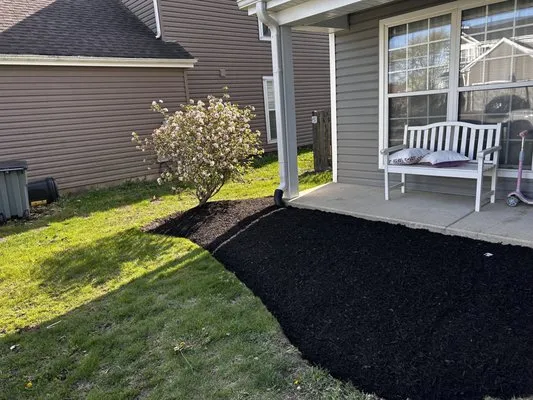
AM Mowing and Lawn Care Service
AM Mowing and Lawn Care Service is your trusted local lawn care provider in Berwyn, IL. We specialize in comprehensive lawn maintenance and health, directly addressing common local issues like dead la...
Touch Grass Lawn Care is a dedicated local lawn service provider in North Riverside, IL, specializing in creating healthy, vibrant, and functional outdoor spaces. We understand that many area homeowne...
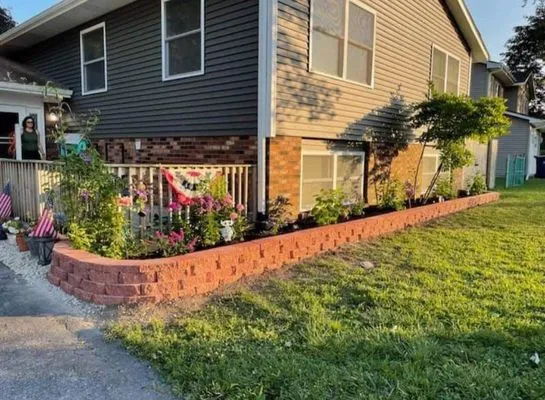
Sanchez Landscaping is a full-service landscaping company serving Chicago, IL, with comprehensive solutions for residential and commercial properties. We specialize in earthmoving, landscape design an...
Estimated Landscaping Service Costs in Forest Park, IL
Question Answers
Should I replace parts of my lawn with native plants to reduce maintenance?
Transitioning high-maintenance turf areas to Purple Coneflower, Wild Bergamot, Little Bluestem, and Swamp Milkweed creates resilient landscapes requiring less water and no gas-powered blower use. These natives thrive in Forest Park's Zone 6a climate with silty clay loam soil, supporting local pollinators while eliminating weekly mowing demands. This approach aligns with evolving noise ordinances restricting gas equipment hours and reduces seasonal mulching needs. Established native plantings develop deep root systems that improve soil structure and withstand drought periods better than conventional turf.
How do I manage invasive species without violating fertilizer regulations?
Targeted manual removal and organic herbicides address common invasives like garlic mustard or buckthorn while complying with Illinois Phosphorus Fertilizer Application Act restrictions. Timing interventions before seed set in early spring prevents spread without needing phosphorus applications. For persistent problems, soil solarization during summer months uses solar heat to eliminate weed seeds and pathogens. These methods maintain ecological balance without triggering ordinance violations during establishment periods for new plantings.
How do I keep my lawn green during Forest Park's Stage 1 water restrictions?
Smart Wi-Fi controllers with soil moisture sensors optimize irrigation by tracking evapotranspiration rates and applying water only when needed. These systems maintain Kentucky Bluegrass and Tall Fescue health while reducing consumption 30-50% compared to traditional timers. Programming follows municipal voluntary conservation guidelines, prioritizing deep, infrequent watering during cooler hours to minimize evaporation. This approach preserves turf quality without exceeding Forest Park's water allocation limits during drought conditions.
How quickly can you respond to an emergency tree limb cleanup after a storm in Forest Park?
Our electric maintenance fleet can dispatch from the Forest Park Public Library area within 20-30 minutes during peak storm response windows. We route via I-290 (Eisenhower Expressway) to access Forest Park Central neighborhoods efficiently while complying with local noise ordinances for equipment operation. This rapid response minimizes property damage risks and helps maintain HOA compliance standards for debris clearance. Our crews carry specialized electric chippers and loaders designed for urban lot sizes like your 0.12-acre property.
What's the best solution for the seasonal ponding in my clay-heavy Forest Park yard?
Silty clay loam's low permeability causes water to pool rather than infiltrate, requiring integrated drainage solutions. Installing French drains with clean gravel channels redirects subsurface water away from structures while permeable concrete pavers replace impervious surfaces to meet Forest Park Department of Public Health and Safety runoff standards. Grading adjustments create subtle slopes toward drainage points, and amending soil with organic matter improves long-term infiltration rates. These measures address both surface and subsurface water movement in compacted clay conditions.
Why does my Forest Park Central yard feel so compacted and waterlogged every spring?
Forest Park Central lots average 74 years of development since 1952, creating mature soil profiles where silty clay loam has become heavily compacted. This soil type naturally has low permeability, and decades of foot traffic and conventional maintenance have reduced pore space, limiting water infiltration. Core aeration in early fall introduces oxygen channels while top-dressing with composted organic matter improves soil structure. Addressing these issues now prevents seasonal ponding and supports healthier root systems for your Kentucky Bluegrass and Tall Fescue blend.
Are permeable concrete pavers better than wood for my Forest Park patio?
Permeable concrete pavers offer superior longevity in Forest Park's climate, with 25+ year lifespans versus wood's 10-15 years with maintenance. Their interlocking design allows 30% faster water infiltration than traditional concrete, reducing runoff that contributes to neighborhood ponding issues. While Forest Park has low fire-wise ratings in urban settings, non-combustible pavers provide defensible space advantages over wood in high-risk zones. Proper installation with gravel bases and joint sand creates stable surfaces that withstand freeze-thaw cycles in Zone 6a.
What permits and licenses are needed for grading work on my Forest Park property?
The Forest Park Department of Public Health and Safety requires grading permits for any significant earth movement, particularly on 0.12-acre lots where runoff affects adjacent properties. Contractors must hold Illinois Department of Financial and Professional Regulation landscaping licenses demonstrating competency in erosion control and drainage principles. Projects moving more than 50 cubic yards of material typically need engineered plans showing how modified slopes will manage water flow. These regulations prevent neighborhood drainage issues and ensure work meets municipal standards for soil stabilization.
