Top Landscaping Services in Ford Heights, IL, 60411 | Compare & Call

There are 172 landscaping companies server in Ford Heights IL
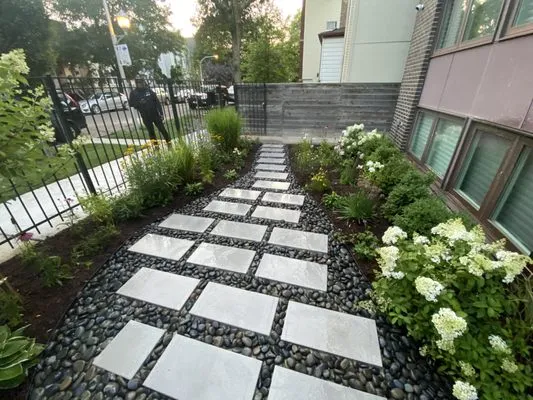
Dante's Native Landscape Services is a full-service landscaping and hardscaping company serving the greater Chicago area. We specialize in native landscaping, using plants naturally adapted to the Mid...
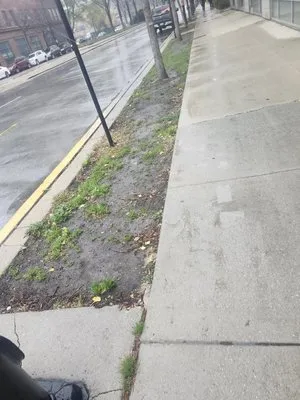
Rafael Landscaping is a full-service landscaping company serving Chicago and the surrounding areas. Owned and operated by Rafael, the business is built on providing reliable, quality work at a fair pr...
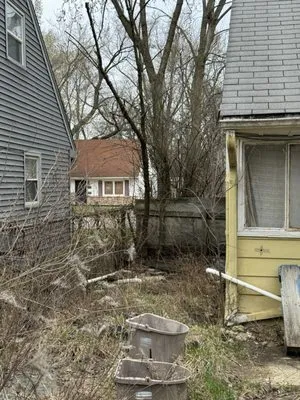
Based in Heights, IL, Juan's Landscaping & Junk Removal is your local solution for transforming outdoor spaces and clearing unwanted items. The team combines landscaping expertise with reliable haulin...
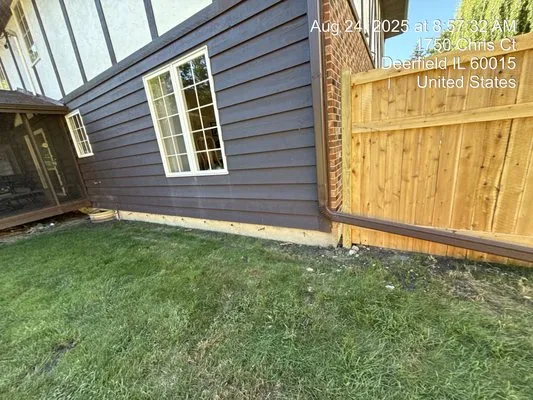
Cande Native Landscape is a Burbank-based lawn and snow removal service with over 25 years of experience specializing in native landscapes. We focus on sustainable practices like using native plants t...
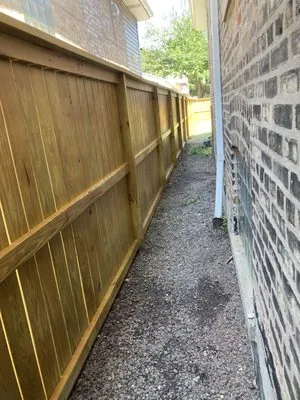
Garcia Landscaping and Construction is a fully licensed and insured family-owned business serving Chicago and the surrounding suburbs. We specialize in bringing your vision to life, from residential r...
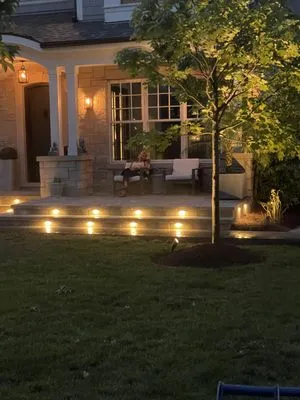
Manuel Brick Paving & Landscaping is a family-owned business that has been enhancing outdoor living in Waukegan and the North Shore since 2005. With over three decades of combined experience, we speci...
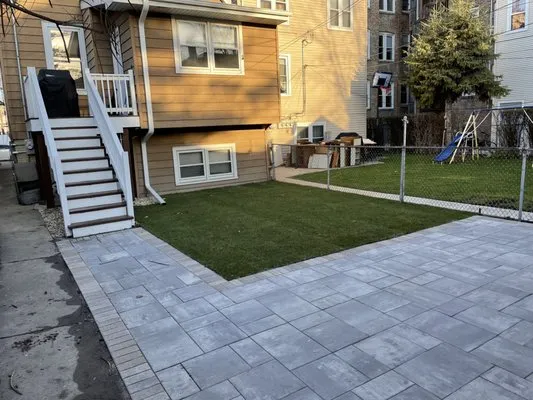
R.A.M. Landscape & Patio Design is a family-owned and operated landscaping business serving Chicago with over 15 years of experience. We specialize in transforming outdoor spaces through comprehensive...
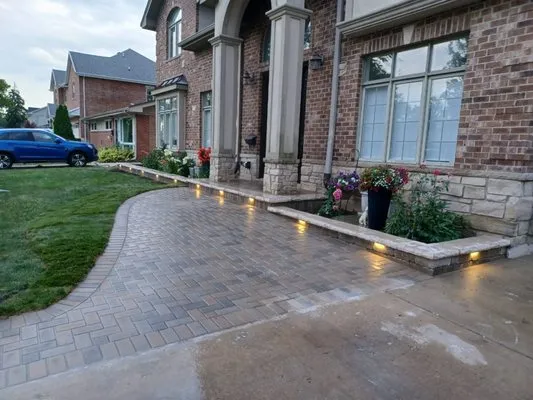
Unikstone Hardscape is a Chicago-based, full-service landscaping and masonry contractor dedicated to transforming outdoor spaces with skill and precision. We specialize in creating durable, beautiful ...

Mariani Landscape is a family-owned landscaping company serving Lake Bluff and the greater Chicagoland area since 1958. Founded by Vito Mariani, an Italian immigrant who started with garden maintenanc...
Hernandez Professional Tree Service is a trusted, full-service provider for Chicago homeowners. We specialize in tackling the common local landscaping challenges of patchy, dead, or thinning lawns thr...
Estimated Landscaping Service Costs in Ford Heights, IL
Q&A
Why does my Ford Heights lawn have such poor drainage and compaction issues?
Your property's soil maturity is 60 years (2026 minus 1966 average build year), which means the Mollisols/silty clay loam in the Ford Heights Residential Core has experienced decades of compaction from construction equipment and routine maintenance. This soil type naturally has low permeability, and aging infrastructure has reduced pore space further. Core aeration with organic amendments like composted leaf mulch is essential to restore infiltration rates above 0.5 inches per hour. Without this intervention, the high seasonal water table will continue to cause surface pooling during spring thaws.
How should I manage invasive species without using restricted fertilizers?
For common Midwest invasives like garlic mustard or buckthorn, mechanical removal before seed set is most effective in Ford Heights' Low Fire Wise Rating areas. Spot treatment with glyphosate alternatives during dry periods avoids phosphorus runoff concerns under Illinois' Phosphorus Application Act. Always conduct soil testing through University of Illinois Extension before any amendment application to confirm deficiency. Implement preventive measures like dense native plantings that outcompete invaders while improving soil health through mycorrhizal associations.
What solutions exist for yards with persistent standing water after rains?
The high water table and poor infiltration in silty clay loam require subsurface drainage systems combined with surface modifications. Installing French drains with clean gravel backfill at 12-18 inch depths redirects groundwater away from foundations. Replacing impermeable surfaces with permeable concrete pavers or crushed limestone creates infiltration zones that meet Ford Heights Village Clerk runoff standards. These approaches increase permeability to 2-4 inches per hour while preventing soil erosion during heavy precipitation events common in spring.
What are the benefits of replacing traditional turf with native plants in my yard?
Transitioning to Purple Coneflower, Little Bluestem, Swamp Milkweed, and Wild Bergamot reduces maintenance frequency by 70% while supporting local pollinator populations. These deep-rooted natives require no weekly mowing, eliminating gas-powered equipment noise that could violate nuisance ordinances as electric fleet mandates expand. Native plantings also improve soil structure through extensive root networks that enhance water infiltration naturally. This approach creates habitat corridors that align with 2026 biodiversity standards for urban-suburban interfaces.
Are concrete pavers or wood decking better for long-term durability in our climate?
Concrete pavers and crushed limestone offer superior longevity with 25-30 year lifespans versus wood's 10-15 years in Zone 5b freeze-thaw cycles. These materials maintain structural integrity without seasonal maintenance while providing non-combustible surfaces that support defensible space requirements in urban-suburban interfaces. Properly installed with polymeric sand joints, they resist weed penetration and heaving from frost action. Their thermal mass also moderates surface temperatures more effectively than wood during summer heat waves.
What permits and licenses are required for regrading my 0.22-acre property?
Grading projects exceeding 50 cubic yards of soil movement require an earth disturbance permit from the Ford Heights Village Clerk/Building Department, with engineered drainage plans for lots under 0.25 acres. Contractors must hold Illinois Department of Financial and Professional Regulation licensing for landscape construction, specifically Category 21 for earth moving operations. These regulations ensure proper slope stabilization and prevent off-site sedimentation that could impact IL-394 drainage systems. Always verify current bonding requirements before commencing work.
Can I maintain a healthy Kentucky Bluegrass/Tall Fescue lawn under Stage 1 water restrictions?
Smart Wi-Fi ET-based weather sensing irrigation systems precisely match evapotranspiration rates to preserve turf health while reducing water use by 30-40% compared to traditional timers. These systems automatically adjust for Ford Heights' USDA Zone 5b conditions, applying water only during early morning hours to minimize evaporation loss. By integrating local weather data, they stay well within voluntary conservation limits while preventing drought stress in the grass blend. This technology typically reduces annual water consumption to 1-1.5 inches per week during peak growing seasons.
How quickly can you respond to an emergency storm cleanup that violates HOA regulations?
Our electric maintenance fleet can dispatch from the Ford Heights Community Center within 15 minutes, using IL-394 for optimal routing to residential properties. During peak storm conditions, we allocate 45-60 minutes for arrival and initial assessment to clear fallen branches or debris that violate HOA aesthetic standards. This timeframe accounts for traffic delays while ensuring compliance with the 7:00 AM to 9:00 PM noise ordinance window. We prioritize routes that avoid school zones and major construction areas to maintain this schedule.
