Top Landscaping Services in Evergreen Park, IL, 60805 | Compare & Call
There are 182 landscaping companies server in Evergreen Park IL
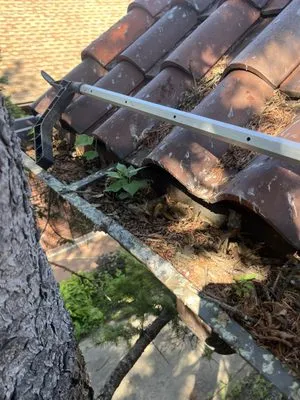
Dinkos Gutter Cleaning & Lawn Care is a locally owned and operated business dedicated to protecting and enhancing Crest Hill homes. We specialize in a full range of gutter services, from thorough clea...

LawnFather Landscape Design is your trusted local partner for transforming outdoor spaces in Joliet and Will County. We specialize in creating durable and beautiful landscapes, combining expert design...
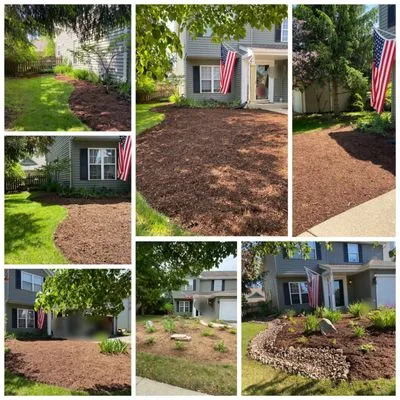
Shreve Services is a trusted landscaping company serving Plainfield, IL, and surrounding communities like Joliet and Naperville since 1984. We specialize in comprehensive property care, including irri...
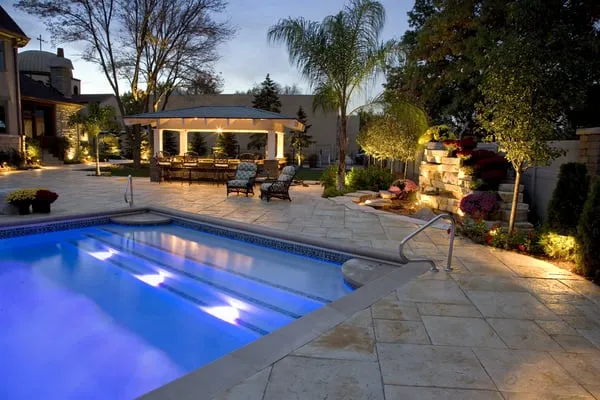
A Touch of Green
A Touch of Green is a Homer Glen landscape design company built on three decades of local expertise and a passion for creating unique outdoor spaces. Founder Jim started the business from the ground u...
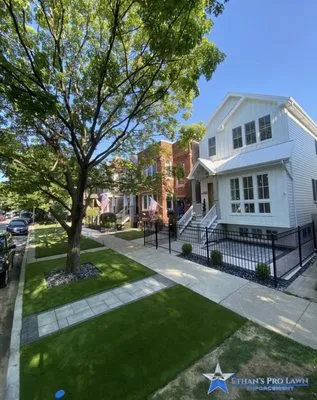
Ethan's Pro Turf Enforcement in Oak Lawn, IL, is your dedicated partner for transforming and maintaining outdoor spaces. We specialize in artificial turf solutions, from expert installation and cleani...
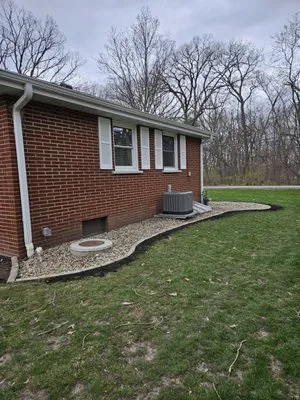
Anthony, owner of Everything Exterior in Kankakee, IL, founded the company to help residents and businesses improve their property's exterior. With over 25 years of combined team experience in the tra...
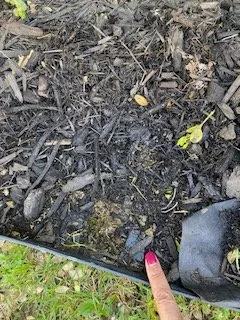
His Workmanship in Wheaton, IL, is a trusted local contractor specializing in comprehensive landscaping, hardscaping, and moving services. For Wheaton homeowners dealing with common issues like patchy...
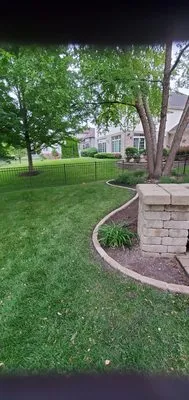
Landmark Landscaping
Landmark Landscaping has been Minooka's trusted, licensed landscaping specialist since 1985, serving all of Will County. We provide a complete range of services, from initial design to final installat...
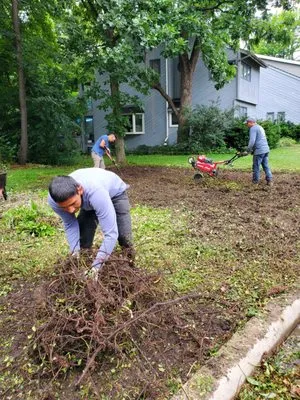
RG Landscaping & Patios Services is a Des Plaines-based company specializing in landscape and patio solutions for local homeowners. We provide comprehensive services including landscape construction, ...
Tommy Pollina Landscape Company
Tommy Pollina Landscape Company is a Mount Prospect family-owned business that has been enhancing Chicagoland properties since 1982. We provide a full-service experience, guiding clients from initial ...
Estimated Landscaping Service Costs in Evergreen Park, IL
Common Questions
Should I consider replacing some lawn areas with native plants in my Evergreen Park yard?
Transitioning 30-50% of traditional turf to Purple Coneflower, Butterfly Milkweed, Little Bluestem, and Wild Bergamot reduces maintenance inputs by 60-80% while supporting local pollinator populations. These deep-rooted natives require no irrigation once established and thrive in silty clay loam with pH 7.2-7.8. This approach aligns with 2026 biodiversity standards and prepares for stricter noise ordinances by eliminating weekly mowing and gas-powered leaf blowing in converted areas. Native plantings also improve soil structure through extensive root networks that break up compacted clay layers over time.
How quickly can you respond to an emergency tree limb cleanup after a storm in Evergreen Park?
Our electric maintenance fleet can dispatch from Yukich Field within 15 minutes, using I-57 for efficient routing to Evergreen Park Residential Core neighborhoods. During peak storm conditions, arrival typically occurs within 20-30 minutes, with electric chainsaws and chippers operating within the 8:00 AM to 8:00 PM noise ordinance window. This rapid response prevents secondary damage from hanging limbs while maintaining compliance with pending gas equipment phase-out regulations. We prioritize HOA compliance situations where fallen debris creates immediate safety hazards or blocks access routes.
What solutions work best for poor drainage in Evergreen Park's clay-heavy yards?
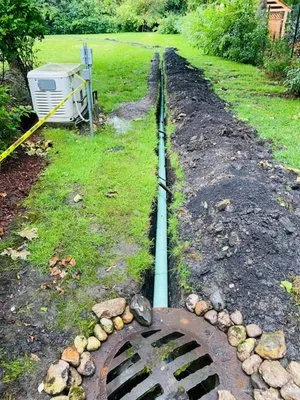
Silty clay loam soils in Evergreen Park have infiltration rates below 0.1 inches per hour, creating surface ponding during heavy rains. Installing 4-6 inch diameter French drains with clean gravel and landscape fabric provides subsurface water movement away from foundations. For hardscape areas, specifying permeable clay brick pavers with ⅛-inch joints filled with polymeric sand allows 5-8 inches per hour of water infiltration, meeting Evergreen Park Building Department runoff standards. These systems work with gentle 1-2% slopes to direct water toward rain gardens planted with native species that tolerate periodic saturation.
Are clay brick pavers better than wood for Evergreen Park patios considering longevity and maintenance?
Clay brick pavers offer 40-60 year lifespans in USDA Zone 6a conditions with minimal maintenance, compared to 10-15 years for pressure-treated wood that requires annual sealing. Their thermal mass moderates temperature extremes, and fired clay resists moisture penetration that causes wood rot in Evergreen Park's variable climate. For fire-wise considerations in this low-risk urban setting, brick provides non-combustible defensible space when installed with 5-foot clearance from structures. Properly installed with edge restraints and permeable bases, brick pavers maintain stability through freeze-thaw cycles without the seasonal movement common with wood decking.
What permits and licenses are required for regrading my 0.15-acre Evergreen Park property?
The Evergreen Park Building Department requires grading permits for any earth movement exceeding 50 cubic yards or altering drainage patterns on 0.15-acre lots. Contractors must hold Illinois Department of Financial and Professional Regulation landscaping licenses with specific endorsements for excavation work. These regulations ensure proper slope stabilization (maximum 3:1 ratio) and prevent off-site erosion into municipal storm systems. Licensed professionals document soil compaction testing and implement erosion control measures like silt fencing that meet Cook County standards. Unpermitted grading risks substantial fines and may require complete restoration at owner expense.
How can I maintain healthy turf while following Evergreen Park's voluntary water conservation guidelines?
Smart Wi-Fi ET-based controllers automatically adjust irrigation schedules using real-time evapotranspiration data from local weather stations, typically reducing water use by 20-30% compared to traditional timers. These systems deliver 0.75-1.0 inches weekly during peak summer months, precisely matching Kentucky Bluegrass and Tall Fescue blend requirements while staying within Stage 1 conservation limits. Programming deep, infrequent watering cycles (2-3 times weekly) encourages deeper root growth and improves drought tolerance. Regular soil moisture monitoring ensures irrigation only occurs when necessary, preventing runoff from the dense clay subsoil common in this area.
Why does my Evergreen Park yard have such compacted soil that needs annual aeration?
Evergreen Park Residential Core lots with 1955-era construction have 71-year-old soil profiles where decades of foot traffic and equipment compaction have degraded the original silty clay loam structure. This soil type naturally has poor permeability, and aging exacerbates its density, reducing oxygen availability to turfgrass roots. Core aeration every 1-2 years combined with 0.25-0.5 inches of compost topdressing improves soil porosity and microbial activity. Without these amendments, Kentucky Bluegrass and Tall Fescue struggle to establish deep root systems, increasing irrigation demands during summer heat.
What invasive species should I watch for in Evergreen Park, and how do I treat them safely?
Garlic mustard and creeping Charlie present significant invasion risks in Evergreen Park's residential landscapes, outcompeting natives and reducing biodiversity. Manual removal before seed set in early spring proves most effective, followed by spot-treatment with glyphosate-based herbicides applied directly to foliage during dry periods. These applications must avoid Illinois Nutrient Runoff Law blackout dates (typically March-April and October-November) when phosphorus restrictions prevent fertilizer use near waterways. Regular monitoring of Yukich Field adjacent areas helps detect new infestations early, when control requires minimal chemical intervention.
