Top Landscaping Services in Elgin, IL, 60103 | Compare & Call
There are 206 landscaping companies server in Elgin IL
RC Landscaping is a full-service landscape construction and maintenance company serving Elgin, IL, and the surrounding Fox River Valley. We specialize in comprehensive solutions from initial design an...
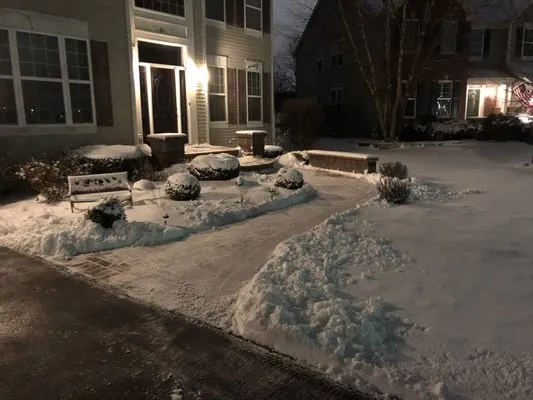
Gerar Landscaping
Gerar Landscaping is a trusted South Elgin-based company providing comprehensive outdoor solutions to keep your property looking its best year-round. We specialize in lawn care, custom design, and rel...
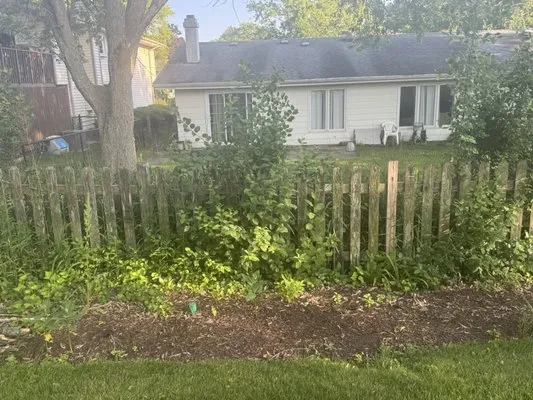
Nieves Patios And Lawn Care is a trusted Elgin, IL business specializing in both lawn services and masonry/concrete work. We help local homeowners address common landscaping challenges like poor lawn ...

Great Lakes Site Services is a trusted, family-owned landscaping company based in Elgin, IL, dedicated to serving the Fox Valley community. We provide reliable and thorough landscape maintenance, spec...
Arroyo Hardscape & Concrete
Since 2006, Arroyo Hardscape & Concrete has been a trusted family-owned business serving Elgin and the surrounding Fox Valley. Founded as Arroyo Landscaping, we've grown into a full-service concrete c...
X L N Lawn Care Services is a trusted local provider in Elgin, IL, specializing in comprehensive lawn care solutions for homeowners. We understand the common landscaping challenges in our area, such a...
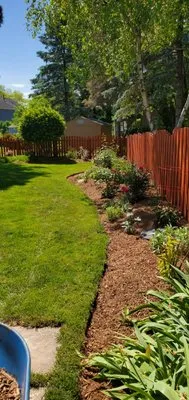
Chavez Group Landscaping is a trusted, locally-owned landscaping company serving Elgin, IL, and the surrounding Fox Valley area. We specialize in comprehensive landscape solutions, from initial design...
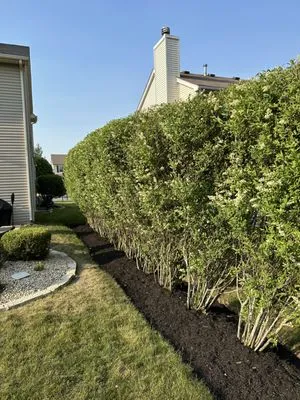
RC Tree Service & More is a family-owned and operated landscaping and tree care company serving Elgin and the Northwest Suburbs of Chicago. They provide a comprehensive range of services for both resi...

Landscaping by Jose is a trusted local landscaping company serving Elgin, IL, and surrounding areas. We specialize in comprehensive landscaping services including retaining walls, patio and walkway co...
Serving Elgin, IL, JCF Irrigation is your local expert for transforming outdoor spaces and solving common landscaping headaches. We understand the challenges Elgin homeowners face, from persistent wee...
Estimated Landscaping Service Costs in Elgin, IL
Questions and Answers
What permits and licenses are needed for grading my 0.22-acre lot?
Grading projects exceeding 50 cubic yards of earth movement require an Elgin Community Development Department permit with engineered drainage plans. Contractors must hold Illinois Department of Financial and Professional Regulation landscaping licenses for work affecting stormwater management. On 0.22-acre lots, even minor grade changes can impact neighboring properties, necessitating licensed professionals who carry erosion control insurance. Failure to obtain proper approvals may result in stop-work orders and restoration requirements at owner expense.
Why does my Near West Side lawn struggle with compaction and poor drainage?
Elgin's Near West Side neighborhood features 49-year-old soil profiles from 1977 construction, creating mature Mollisols with silty clay loam composition. This soil type naturally develops high density and low permeability over decades, requiring core aeration every 2-3 years to maintain oxygen exchange. Organic amendments like composted leaf mulch improve soil structure by increasing pore space and microbial activity. Without these interventions, clay compaction reduces root penetration depth for Kentucky Bluegrass by 40-60%.
What invasive species threaten Elgin landscapes and how should I respond?
Garlic mustard and buckthorn present significant invasive threats in USDA Zone 5b, outcompeting native vegetation and altering soil chemistry. Manual removal before seed set in early spring prevents spread without chemical intervention. For established infestations, targeted glyphosate applications during fall dormancy minimize non-target impacts while complying with phosphorus-free fertilizer ordinances. Regular monitoring for Japanese knotweed along property edges is essential, as this species requires professional remediation within 10 feet of structures.
How can I reduce maintenance while supporting local ecology?
Replacing high-maintenance turf with native plantings like Purple Coneflower, Little Bluestem, Butterfly Milkweed, and Wild Bergamot creates self-sustaining landscapes requiring minimal intervention. These species establish deep root systems that improve soil structure and drought tolerance over time. Transitioning to electric maintenance equipment aligns with evolving noise ordinances restricting gas-powered blowers. Native plant communities support 3-5 times more pollinator species than traditional lawns while eliminating weekly mowing requirements.
How quickly can you respond to storm damage for HOA compliance?
Emergency cleanup crews dispatch from the Gail Borden Public Library area via I-90, reaching Near West Side properties within 20-30 minutes during peak conditions. This response window accounts for debris clearance, safety assessment, and initial stabilization work. The route prioritizes arterial roads to bypass residential congestion while maintaining compliance with 7:00 AM noise ordinance restrictions. Crews carry electric chainsaws and battery-powered blowers to begin immediate hazard mitigation.
What solutions exist for seasonal flooding in clay soil yards?
Seasonal saturation in Elgin's silty clay loam requires integrated drainage strategies beginning with French drains along property perimeters. Permeable concrete pavers installed with open-graded aggregate bases achieve 80-90% infiltration rates, meeting Elgin Community Development Department runoff standards. Subsurface drainage systems should include cleanouts at 50-foot intervals for maintenance access. Grade modifications directing water away from foundations complement these hardscape solutions to address clay compaction issues.
Are permeable pavers better than wood for patio longevity?
Permeable concrete pavers offer 25-30 year lifespans versus wood's 10-15 years in Elgin's freeze-thaw cycles, with minimal maintenance requirements. Their 95% permeability rate significantly reduces runoff volume compared to impervious surfaces. For properties in low Firewise rating zones, pavers create defensible space without combustible materials near structures. The interlocking design accommodates soil movement without cracking, and snow melt infiltrates directly rather than creating ice sheets on surface materials.
Will smart irrigation keep my lawn healthy during water restrictions?
Wi-Fi ET-based weather sensing irrigation automatically adjusts watering schedules using real-time evapotranspiration data from local weather stations. This technology reduces water use by 25-35% compared to traditional timers while maintaining Kentucky Bluegrass and Fine Fescue health. During Stage 1 water restrictions, the system prioritizes deep, infrequent watering cycles that encourage deeper root growth. Soil moisture sensors prevent irrigation during rainfall events, ensuring compliance with municipal water conservation guidelines.
