Top Landscaping Services in Dwight, IL, 60420 | Compare & Call
There are 37 landscaping companies server in Dwight IL
Rocha's Lawn Service in Gardner, IL, is a locally owned and operated business founded by Chris Rocha in 2016, though his journey in lawn care began much earlier. Starting at age 9 by helping his grand...

American Facility Services is a Chicago-based facility management provider with deep roots in the Midwest. Originally founded as I&B Services in a small Michigan town in 2017, we built a reputation fo...
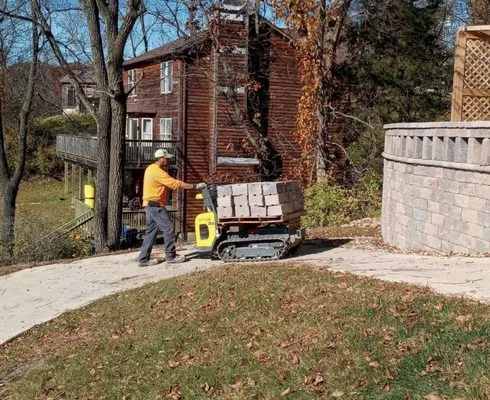
ALS Outdoor Solutions
ALS Outdoor Solutions is a family-operated, licensed and insured outdoor services company based in Tonica, IL, with over 20 years of experience in excavation, landscaping, and masonry/concrete work. F...
Noel's Landscaping & Cleanout Services
Noel's Landscaping & Cleanout Services is your trusted Streator neighbor for tackling tough property projects. We specialize in a full range of services to keep your home and yard in top shape. For lo...
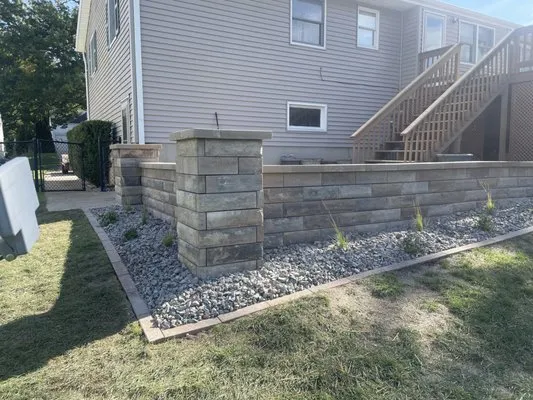
Hardscape Elements in Ottawa, IL is your local partner for transforming outdoor spaces. We specialize in comprehensive landscape design, handling everything from small yard clean-ups to complete overh...
JP Yard Works is a trusted lawn care provider serving Morris, IL, with a focus on reliable lawn mowing and seasonal clean-up services. We understand the unique needs of local homeowners, from managing...

Botany Boys Landscaping is a Cullom-based business built on decades of hands-on experience. Owner Chris combines a formal education in Business Management from Robert Morris University with over 20 ye...

Dahu's Maintenance in Normal, IL, is a locally-owned contracting and maintenance business that has been serving the community since 2020. With over four years of experience, we specialize in drywall i...
RCC Property Maintenance is your trusted local partner in Gardner, IL, specializing in comprehensive property upkeep solutions. We offer junk removal and hauling, gutter services, and lawn services to...

Danchris Nursery is a family-owned landscaping and garden center in Streator, IL, founded in 1960 by Dan Salata. Now owned by his son Greg and wife Arlette, with third-generation family involvement, t...
Estimated Landscaping Service Costs in Dwight, IL
FAQs
Our lawn has dense, heavy soil that puddles for days after rain. Why is this so common in Dwight's Historic District?
Homes in the Dwight Historic District, built around 1964, sit on 60-year-old landscapes established on native Drummer Silty Clay Loam. This soil type has naturally poor structure and low permeability, which was often compacted further during original construction. Over decades, routine mowing without core aeration has degraded soil biology, reducing pore space for water and air. To correct this, annual core aeration and incorporation of composted organic matter are required to rebuild soil structure and improve infiltration.
How can we keep our Kentucky Bluegrass healthy during Dwight's Stage 1 water conservation without wasting water?
Under voluntary conservation, smart Wi-Fi ET-based irrigation controllers are essential. These devices automatically adjust watering schedules based on real-time evapotranspiration data, local rainfall, and soil moisture, applying water only when the turf needs it. For Drummer clay soils, this means implementing cycle-and-soak programming to prevent runoff and ensure deep watering. This technology can maintain turf health while reducing total water use by 20-30%, keeping you well within recommended limits and preserving soil structure.
Is crushed limestone or wood mulch better for long-lasting garden paths in our area?
Crushed limestone is superior for longevity and function in Dwight's Zone 5b climate. It provides a stable, permeable surface that withstands freeze-thaw cycles without rotting or splintering like wood mulch. For fire-wise considerations in a low-risk urban setting, inorganic materials like limestone or concrete pavers create a defensible, non-combustible zone near structures. Limestone also naturally complements the local soil pH and requires no replacement, whereas wood mulch must be replenished annually, adding to long-term maintenance.
We want to regrade our backyard for better drainage. What permits and professional licenses are required?
Regrading a 0.22-acre lot that alters water flow or impacts stormwater management typically requires a permit from the Dwight Building & Zoning Department. Significant earth moving or drainage work that connects to public systems must be designed or supervised by a professional licensed through the Illinois Landscape Architect Registration Board or a related engineering body. This ensures the work complies with local codes, protects adjacent properties, and is executed to professional standards. Always verify contractor licensing with the Illinois Department of Agriculture for application work.
We need emergency storm debris cleanup to meet HOA compliance deadlines. How quickly can a crew arrive?
For urgent HOA compliance work, a crew can typically be dispatched within the hour from our staging area near the Dwight Depot. The primary route uses I-55 for rapid access to the Historic District, ensuring a 20-30 minute arrival window under normal conditions. We prioritize these calls during permitted noise ordinance hours (7:00 AM to 9:00 PM) and can mobilize equipment suited for the 0.22-acre lot size common in the area. Communication with the HOA representative begins at dispatch to confirm the scope upon arrival.
We want to reduce mowing, gas usage, and maintenance. What's a climate-adaptive alternative to our traditional lawn?
Transitioning sections of high-maintenance turf to a native prairie planting is a forward-looking solution. Using species like Purple Coneflower, Little Bluestem, and Prairie Dropseed creates a deep-rooted, self-sustaining system that requires no fertilization, minimal watering once established, and only an annual cut-back. This reduces fuel consumption for mowing and aligns with evolving noise and emission ordinances. The planting supports local pollinators and provides year-round visual interest, enhancing biodiversity on your property.
Seasonal ponding is damaging our lawn and patio. What's a permanent solution for our clay soil?
Seasonal ponding is a direct result of the poor infiltration rate of Drummer Silty Clay Loam. A graded French drain system tied to a dry well or rain garden is the most effective subsurface solution. For surface hardscapes, replacing solid concrete with permeable pavers or open-grid crushed limestone bases can meet Dwight Building & Zoning Department standards for stormwater management by allowing infiltration on-site. These systems work in concert to redirect water, alleviate hydrostatic pressure, and protect your foundation.
We've spotted what looks like invasive garlic mustard. How do we treat it safely with local fertilizer laws?
Correct identification is critical; garlic mustard and other invasives like buckthorn are prevalent. The Illinois Lawn Care Products Application and Notice Act restricts phosphorus but does not govern herbicide use for invasive species control. For garlic mustard, manual removal before seed set is effective for small infestations. For larger areas, a targeted, systemic herbicide applied by a licensed professional in the dormant season is the most effective treatment, ensuring compliance with all application regulations and protecting nearby native plants like Butterfly Milkweed.
