Top Landscaping Services in Dunham, IL, 60033 | Compare & Call
There are 185 landscaping companies server in Dunham IL
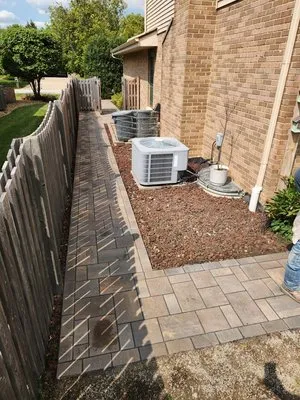
Legacy Landscapes is a trusted Elgin landscaping company with over 15 years of experience transforming outdoor spaces. We specialize in comprehensive landscape solutions including earthmoving, drivewa...

Bhoden Project Solutions is a trusted local contractor in Volo, IL, specializing in carpentry, masonry/concrete, and landscaping services. For homeowners dealing with common local issues like landscap...
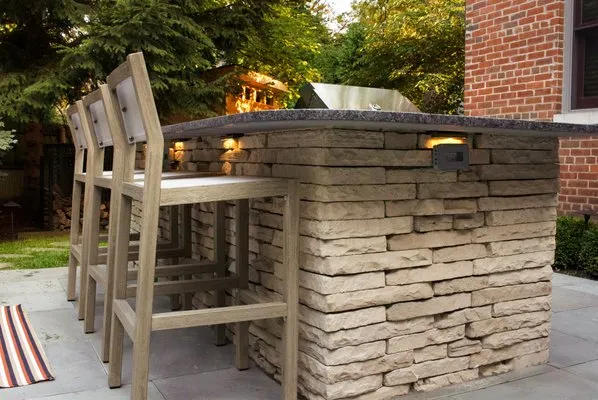
Apex Landscaping
Apex Landscaping is a trusted, locally-owned landscape service provider serving the Chicagoland and Southeast Wisconsin areas, including Hawthorn Woods, since 1991. Our team specializes in creating an...
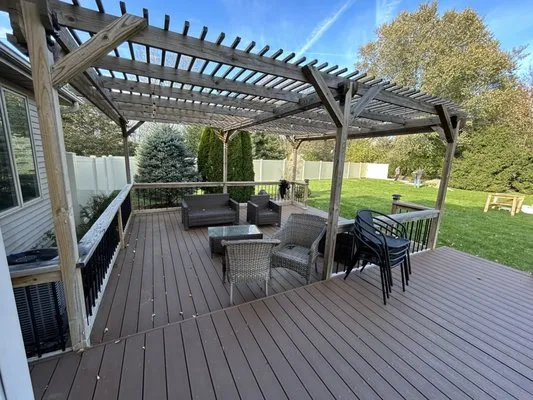
Tri Star Landscape & Fencing is a trusted, locally-owned company serving Spring Grove, IL, and the surrounding areas. We specialize in comprehensive landscaping and fencing solutions designed to addre...

Joe Meyer Tree Service has been a trusted name in tree care for Spring Grove and the surrounding Northern Illinois communities since 1964. As a licensed and insured company with ISA Certified Arborist...

Since 1990, Tomasello's Landscaping has been a trusted local partner for homeowners and businesses in Cary and Crystal Lake, dedicated to enhancing our community's outdoor spaces. As the owner, our fo...

Cami's Landscaping is a trusted, locally-owned landscaping company serving McHenry, IL, and surrounding areas. We specialize in comprehensive lawn care, reliable snow removal, and professional pressur...
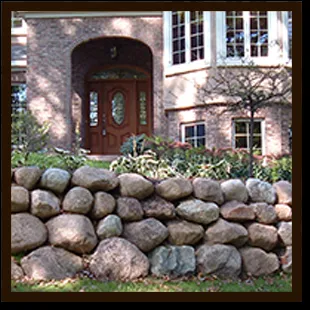
Campobello Landscaping
Campobello Landscaping has been serving Woodstock, IL, and surrounding McHenry County communities since 1978. As a bonded and insured company with its own fleet of trucks, we provide reliable landscap...
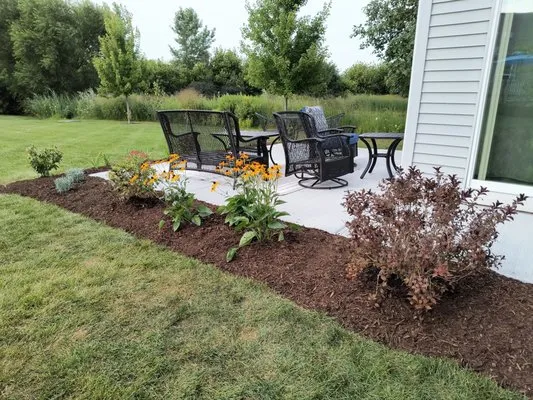
Great Lakes Lawn and Landscape
Great Lakes Lawn and Landscape is a locally owned and operated company serving Marengo, IL, and surrounding McHenry County communities since 1992. Founded by Ken, who brings decades of professional ex...
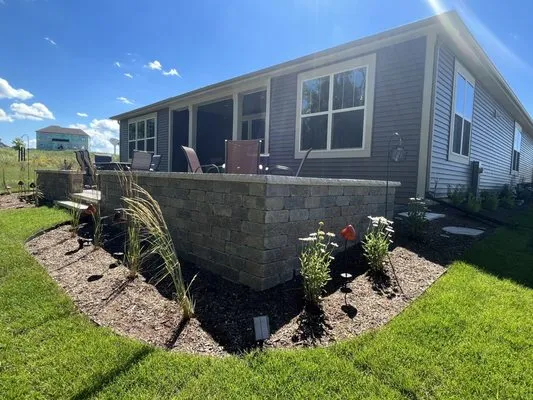
Cal and Shan's Landscape and Design
Todd Manke, President and Owner of Cal and Shan's Landscape and Design, Inc., brings a unique blend of horticultural knowledge and business acumen to Woodstock. His career began in the nursery industr...
Estimated Landscaping Service Costs in Dunham, IL
FAQs
I want to reduce mowing and maintenance. What are my options?
Transitioning perimeter areas to a xeriscape with Dunham-native plants like Purple Coneflower, Little Bluestem, and Butterfly Milkweed significantly reduces water, fertilizer, and weekly mowing needs. This conversion also future-proofs your property against evolving noise ordinances that restrict gas-powered equipment. These deep-rooted natives improve soil structure and provide superior habitat, aligning with 2026 biodiversity initiatives.
Do I need a permit to regrade my yard or install a large patio?
Yes, significant earth moving or impervious surface installation on a 0.35-acre lot typically requires review by the McHenry County Planning and Development permit office. Furthermore, any contractor applying pesticides or performing specialized grading must hold appropriate licensing through the Illinois Department of Financial and Professional Regulation. This ensures compliance with state environmental laws and protects you from liability related to stormwater management and chemical application.
How do I keep my Kentucky Bluegrass lawn green during Stage 1 water restrictions?
Modern smart Wi-Fi ET-based controllers are calibrated for Dunham's USDA Zone 5b climate. These systems use local evapotranspiration data to apply water only when the turfgrass blend truly needs it, often reducing usage by 20-30%. This precision irrigation meets voluntary conservation goals while maintaining plant health, as it prevents the overwatering that exacerbates our seasonal high water table issues.
How quickly can you respond for an urgent HOA compliance or storm cleanup?
Our standard emergency dispatch for Dunham Woods originates from our staging area near the Dunham Forest Preserve. Using IL-23, we can typically reach most properties within the 25-35 minute window noted for peak storm response. We prioritize electric equipment for early morning starts to comply with the 8:00 AM noise ordinance, ensuring efficient cleanup without violation.
What invasive species should I watch for, and how do I control them?
Garlic mustard and creeping Charlie are prevalent invaders in Dunham that outcompete native flora. Manual removal is effective for small infestations. For larger areas, targeted herbicide application must follow the Illinois Lawn Care Act, which prohibits phosphorus and requires proper licensing. Treatments should be timed for early spring or fall for efficacy, avoiding the summer blackout dates to protect pollinators and water quality.
My yard stays soggy for days. What's a long-term solution?
Persistent wet areas indicate poor infiltration through the clay sub-strata common in our silt loam soils. Beyond regrading, installing a French drain system is often necessary. For new patios or walkways, specify permeable concrete pavers or crushed limestone. These materials increase ground absorption and can help projects meet McHenry County Planning and Development standards for managing stormwater runoff on-site.
Why does my lawn in Dunham Woods have such poor drainage and thin grass?
Properties built around Dunham's 1981 average have established lawns on 45-year-old soils. The native Mollisols silt loam has likely developed a compacted layer from decades of routine maintenance, impeding water percolation into the clay sub-strata below. Core aeration is critical to relieve this compaction, followed by top-dressing with compost to rebuild soil organic matter and improve the structure for healthier root growth.
Are permeable pavers worth the cost compared to traditional wood decking?
For longevity and low maintenance in Dunham's climate, permeable concrete pavers are a superior investment. They do not rot, warp, or require sealing like wood, and their permeability mitigates local drainage hazards. From a Firewise perspective, their non-combustible nature is advantageous for creating defensible space in low-risk urban interface areas, providing both practical and safety benefits over combustible materials.
