Top Landscaping Services in Dixon, IL, 61021 | Compare & Call
There are 77 landscaping companies server in Dixon IL
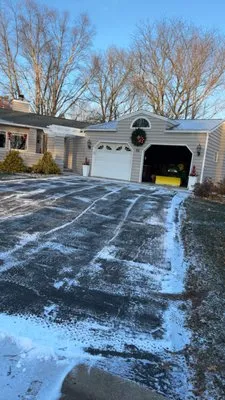
Austins Mowing Service is a trusted local lawn care provider serving Shannon, IL, and the surrounding area. We specialize in comprehensive lawn maintenance to address common local landscaping challeng...

Dean Wolber Excavating is a Dixon-based excavation and landscaping contractor dedicated to solving the common property challenges faced by local homeowners. We understand that issues like dying shrubs...
CRM Lawn Maintenance is a locally owned and operated lawn care and pest control business serving Chadwick, IL. Founded on a legacy of quality service, the company was previously known as River Valley ...
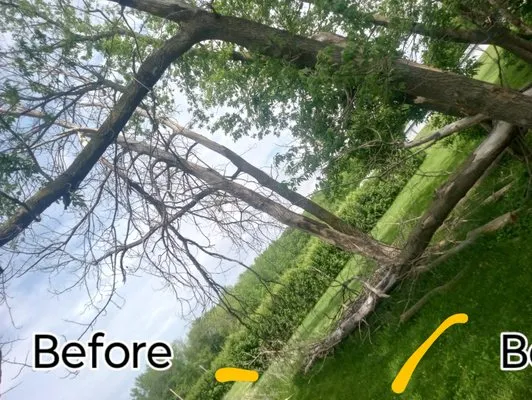
Fresh Looks is your trusted Sterling, IL partner for transforming outdoor spaces with expert landscaping, masonry, and tree services. We specialize in durable, beautiful hardscapes and landscapes desi...

Manny's Lawncare is a trusted local lawn service provider in Dixon, IL, dedicated to helping homeowners maintain healthy, beautiful yards. We specialize in comprehensive lawn care solutions that direc...

K&N Lawn Services is a trusted, locally-owned lawn care provider serving Amboy, IL, and surrounding areas. We specialize in comprehensive lawn maintenance and pressure washing solutions tailored to th...

Ekana Nursery & Landscaping is a trusted, locally-owned business serving the Mendota area and the broader Illinois Valley since 1987. What began as a small tree nursery planted in a field has grown in...
Green River Lawn Landscaping & Snow Removal is a trusted local provider in Ohio, IL, specializing in comprehensive lawn care and reliable snow removal services. We understand the common landscaping ch...
Aerate Dethatch Pathology
Aerate Dethatch Pathology is a Rock Falls, IL landscape provider with over 12 years of experience, dedicated to enhancing lawns, trees, plants, and soil health. We believe in working with nature, not ...

Big Bear Lawn Care is a Dixon, IL family business started in 2001 by owner Danny Rhea. We focus on providing reliable lawn care and snow removal services with direct, personal attention. Our approach ...
Estimated Landscaping Service Costs in Dixon, IL
Q&A
I'm tired of weekly mowing and noisy maintenance. Are there quieter, lower-care options?
Transitioning to a landscape dominated by native plants like Purple Coneflower, Little Bluestem, and Wild Bergamot drastically reduces maintenance needs. These deep-rooted perennials and grasses require no mowing, minimal watering once established, and support local pollinators. This shift also future-proofs your property against evolving noise ordinances that restrict gas-powered blowers and mowers, creating a quieter, more ecologically resilient yard.
How can I keep my Kentucky Bluegrass healthy during summer without wasting water?
In our Zone 5b climate with voluntary water conservation, an ET-based Wi-Fi irrigation system is the precise solution. This technology uses local weather data to calculate evapotranspiration, applying water only when and where your Tall Fescue and Bluegrass truly need it. This method eliminates guesswork and overwatering, maintaining turf health while respecting municipal water resources and adapting automatically to seasonal changes.
A storm damaged several trees. What's the fastest way to get an emergency cleanup crew here?
For an emergency cleanup, our crews are dispatched from our central yard near Lowell Park. The primary route is north on IL-26, which provides direct access to the Page Park area, allowing for a reliable 20-30 minute arrival during peak response times. We prioritize safety and compliance, ensuring all work adheres to local noise ordinances for daytime operations from 7:00 AM to 9:00 PM.
Should I use wood or stone for a new patio? I want something durable and low-maintenance.
For durability and minimal upkeep in Dixon's climate, inorganic materials like concrete pavers or crushed limestone are superior to wood. They resist weathering, decay, and insect damage without requiring annual sealing or staining. In our Low Fire Wise rating zone, these non-combustible materials also contribute to defensible space, though major wildfires are not a primary concern here, making their longevity and permeability the key advantages.
Do I need a permit to regrade my backyard, and what kind of contractor should I hire?
Yes, significant regrading on a 0.22-acre lot typically requires a permit from the Dixon Building & Zoning Department to ensure proper drainage and compliance with local codes. You must hire a contractor licensed by the Illinois Department of Financial and Professional Regulation for this work, as it involves altering the land's contour and managing stormwater runoff, which are regulated activities requiring professional expertise and accountability.
My yard stays soggy for days after rain. What's causing this and how do I fix it?
Persistent sogginess is a classic symptom of our region's silt loam soil combined with a seasonal high water table, which leads to very poor infiltration. Correcting this requires improving subsurface drainage, often with French drains or dry wells, and regrading to direct water away from foundations. For new hardscapes, using permeable materials like crushed limestone or certain concrete pavers can significantly reduce runoff, which may be required to meet Dixon Building & Zoning Department standards.
I see invasive vines taking over. How can I remove them without harming my garden or breaking any rules?
Invasive species like creeping Charlie or garlic mustard require persistent, targeted removal. Manual extraction is most effective for small areas, while careful spot-treatment with approved herbicides may be necessary for larger infestations. All treatments must comply with the statewide Phosphorus Application Ban on turf, which prohibits certain fertilizers but allows for labeled herbicide use when applied according to their specific guidelines and outside of any local blackout dates.
My lawn has never looked right. Is there a soil issue common to older homes in Page Park?
Homes built around 1957, like many in the Page Park neighborhood, often have compacted silt loam soils with nearly 70 years of development history. This long-term compaction severely limits root penetration and water percolation, creating a dense layer that restricts air and nutrient flow. To correct this, core aeration is essential to physically relieve compaction, followed by amending with compost to rebuild organic matter and improve soil structure for long-term health.
