Top Landscaping Services in Des Plaines, IL, 60007 | Compare & Call
There are 235 landscaping companies server in Des Plaines IL
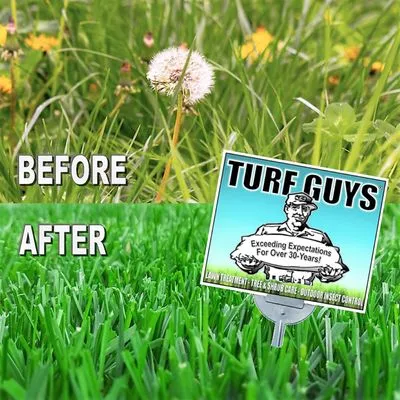
Turf Guys Inc. has been serving Lake Zurich, IL, since 1989, providing reliable lawn care, pest control, and tree services. With over 30 years of expertise, owner Paul leads a team of certified techni...
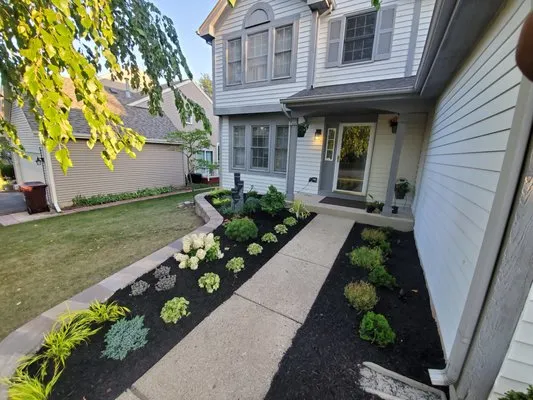
Valencia Landscapes
Valencia Landscapes is a family-owned and operated landscaping company serving Mundelein and the surrounding areas. With over 35 years of combined experience passed through generations, we blend time-...
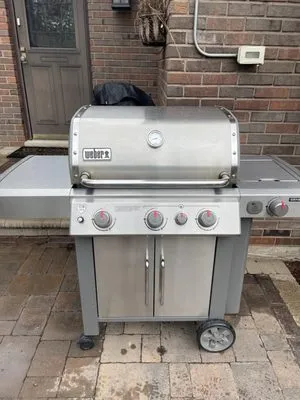
Better Backyards is a local landscaping and grill service company based in Palatine, IL, dedicated to enhancing outdoor living spaces for homeowners. We specialize in comprehensive outdoor services, i...
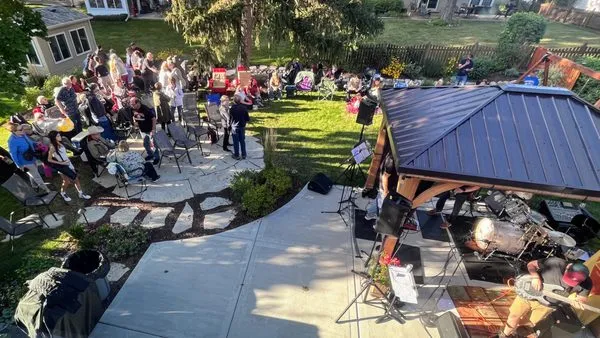
Grant & Power Landscaping
Grant & Power Landscaping has been a trusted name in West Chicago, IL since 1978, specializing in comprehensive landscape solutions for both residential and commercial properties. With a team of over ...
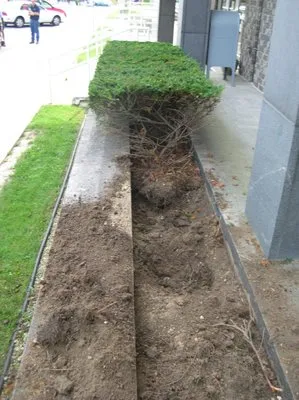
Velasco Landscaping is a Chicago-based company providing comprehensive outdoor solutions for local homeowners. We specialize in three core areas: professional landscaping, reliable junk removal and ha...
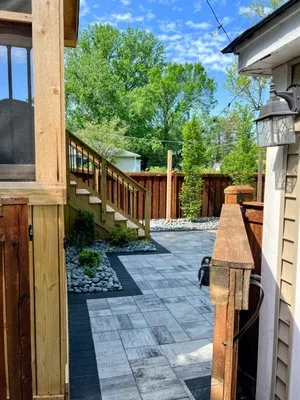
Amliv Land Designs
Amliv Land Designs is a Mt. Prospect landscaping company founded on deep expertise and environmental stewardship. The owner holds a Professional Landscape Designers Diploma and a BA in Environmental S...
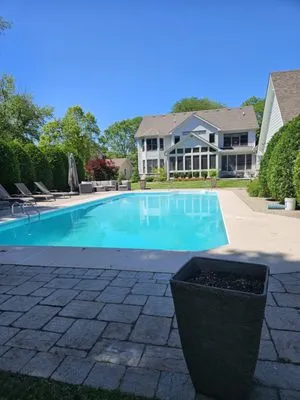
Golden Sun Landscaping is a family-owned and operated landscaping contractor serving Winfield, IL, and the greater DuPage County area. With over 20 years of experience, we are a licensed and insured b...
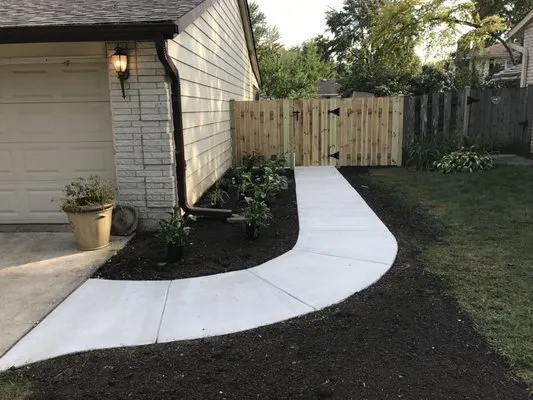
Adrian's Landscape has been a trusted part of the Mundelein community for over 15 years, providing comprehensive landscaping, masonry, and tree care services. Our approach combines practical expertise...
P & R Lawn Care provides professional lawn services to homeowners in Des Plaines, IL. We understand that local lawns often struggle with issues like poor grading and unsightly bare patches. Our core l...
EM Landscaping is a full-service landscaping company serving Waukegan, IL, specializing in both residential and commercial projects. We offer comprehensive solutions including landscape design, constr...
Estimated Landscaping Service Costs in Des Plaines, IL
Question Answers
What solutions prevent clay soil ponding in my backyard?
Seasonal ponding in Des Plaines' high-clay Mollisols requires integrated drainage strategies beginning with French drains installed 18-24 inches deep along property perimeters. Permeable concrete pavers or clay brick installations meet Community Development Department runoff standards by allowing 5-8 inches per hour infiltration rates. Grading should create 2% slope away from foundations, directing water toward rain gardens planted with moisture-tolerant natives. These systems work synergistically to manage the 35+ inches of annual precipitation typical in Northeastern Illinois.
How quickly can you respond to emergency storm damage for HOA compliance?
Emergency cleanup crews dispatch from the Des Plaines Public Library area via I-90, maintaining 20-30 minute response times during peak conditions. This routing avoids residential congestion while providing access to Metropolitan Square's 0.22-acre properties. Crews coordinate with local utilities for downed branch removal, prioritizing safety hazards before addressing aesthetic concerns. All equipment operates within the 7:00 AM to 9:00 PM noise ordinance window using electric chainsaws and battery-powered blowers.
Should I replace high-maintenance turf with native plants?
Transitioning 30-50% of Kentucky Bluegrass to Purple Coneflower, Butterfly Milkweed, and Little Bluestem reduces mowing frequency from weekly to 2-3 times annually. Native plantings require no fertilization under the Illinois Phosphorus Application Rate Act and support 3-5 times more pollinator species than traditional turf. This approach anticipates potential gas-blower restrictions while creating habitat corridors through Metropolitan Square. Established natives develop deep root systems exceeding 6 feet, naturally aerating compacted soils and increasing drought resilience.
How do I control invasive species without violating fertilizer regulations?
Early spring identification of invasive species like garlic mustard or buckthorn allows mechanical removal before seed set, avoiding chemical treatments during blackout periods. For persistent infestations, targeted glyphosate applications in late fall comply with fertilizer ordinances when soil temperatures drop below 50°F. Always conduct soil testing through University of Illinois Extension before any phosphorus application, as the law prohibits phosphorus unless deficiency is documented. Regular monitoring prevents re-establishment while preserving beneficial mycorrhizae networks.
What permits and licenses are needed for grading my 0.22-acre lot?
Grading projects altering more than 100 cubic yards of soil require Des Plaines Community Development Department permits with engineered drainage plans. Contractors must hold Illinois Department of Financial and Professional Regulation landscaping licenses for work exceeding $1,000 in value. The 0.22-acre property size often triggers stormwater management reviews under municipal codes, particularly when modifying more than 20% of permeable surface area. Professional licensing ensures compliance with the Phosphorus Application Rate Act and proper disposal of excavated materials.
Why does my Metropolitan Square lawn have drainage issues despite regular care?
Des Plaines homes built around 1966 have 60-year-old soil profiles where the native Mollisols silt loam has become compacted from decades of foot traffic and equipment use. This compaction reduces permeability to below 0.5 inches per hour, creating seasonal ponding in low-lying areas. Core aeration every 2-3 years introduces oxygen channels while incorporating 0.25 inches of composted organic matter improves soil structure. These amendments address the pH 6.8-7.2 soil's tendency to form dense clay layers that restrict root penetration beyond 4 inches.
Can I maintain Kentucky Bluegrass during Stage 1 water restrictions?
Smart Wi-Fi ET-based weather sensing irrigation systems maintain turf health while reducing water use by 30-40% compared to traditional timers. These systems calculate evapotranspiration rates specific to Des Plaines' USDA Zone 5b climate, applying 1-1.5 inches weekly only when soil moisture sensors indicate need. Programming follows the voluntary conservation guidelines while preserving the Tall Fescue blend's drought tolerance. The technology prevents overwatering that leads to fungal issues in the region's humid summer periods.
Are concrete pavers better than wood for patio longevity?
Concrete pavers and clay brick offer 25-40 year lifespans versus wood's 10-15 years in Des Plaines' freeze-thaw cycles. These materials maintain structural integrity at temperature extremes from -20°F to 100°F while providing non-combustible defensible space important for the urban-suburban interface fire rating. Proper installation with polymeric sand joints prevents weed penetration and allows for individual paver replacement if settling occurs. The thermal mass properties moderate microclimate temperatures around foundations, reducing energy costs.
