Top Landscaping Services in Deer Park, IL, 60010 | Compare & Call
There are 176 landscaping companies server in Deer Park IL
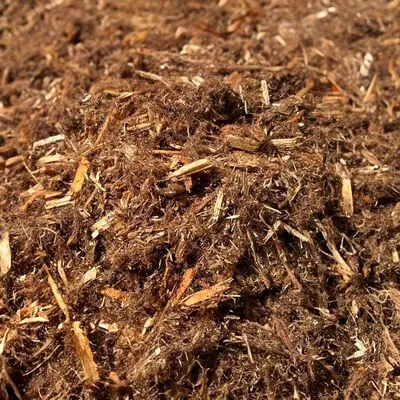
The Mulch Center
For over 18 years, The Mulch Center in Volo has been the trusted local source for quality mulch and landscaping solutions, founded by Jim Seckelmann with a commitment to affordability and excellence. ...
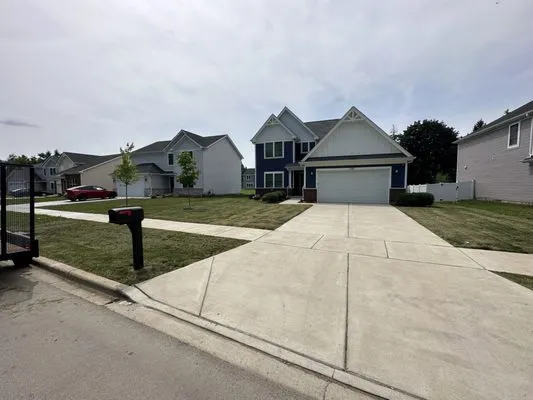
Riddle Lawn Care & Pressure Washing is your local Batavia specialist for keeping your property looking its best. We provide a practical range of services, from regular lawn maintenance and seasonal cl...
Bertog Landscape & Company
Since 1974, Bertog Landscape & Company has been a trusted, family-operated partner for Wheeling homeowners and businesses, providing year-round, total property care. We start by listening to your visi...
Bartolo Concepts
Bartolo Concepts is a Mount Prospect-based landscaping and design firm specializing in comprehensive outdoor solutions for local homeowners and businesses. We address common area challenges like dead ...
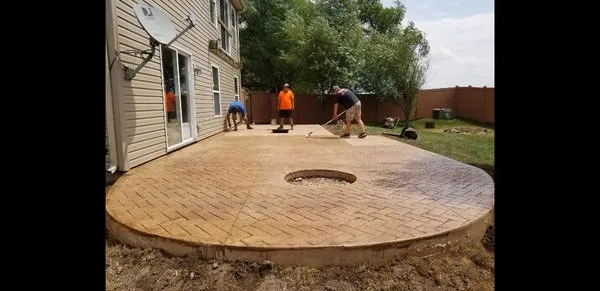
Jameson Pavement Surfaces
Jameson Pavement Surfaces is a Streamwood-based pavement contractor that has been serving the community since 2001. Founded by Jameson White, the company evolved from Jameson Asphalt & Landscaping Ser...
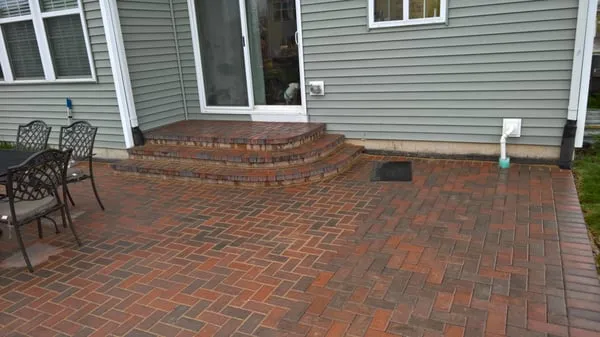
Chad Landscaping
Founded by Chad on the simple principle of reliable service, Chad Landscaping has grown from a local grass-cutting operation into a comprehensive design and construction firm serving Streamwood and al...

Milieu Landscaping has been serving Lake Zurich and the greater Chicago suburbs since 1987. As a full-service landscape company, we combine award-winning design with expert construction and maintenanc...
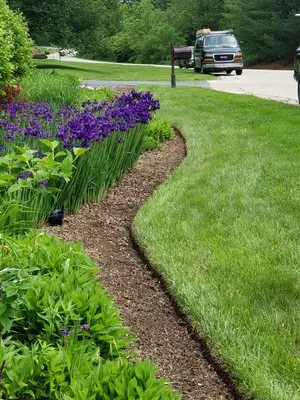
JPH Landscaping is a trusted local landscaping company serving Lake Zurich, IL, and surrounding areas. We specialize in comprehensive landscaping solutions, including landscape design, construction, m...

Lawn Doctor in Lake Zurich, IL is a trusted local provider specializing in pest control, tree services, and comprehensive lawn care. Serving the Lake Zurich community, they address common landscaping ...
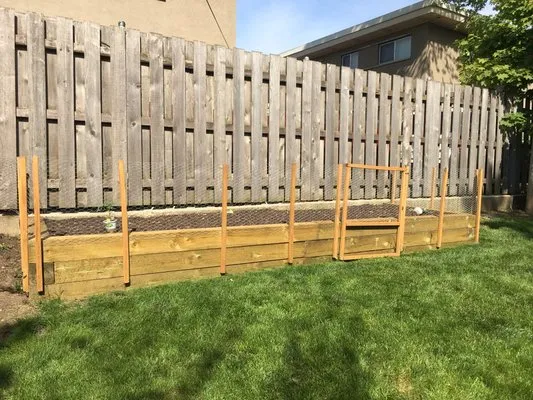
Angeles Landscaping is your trusted, full-service partner for transforming outdoor spaces in Mundelein and the surrounding Lake County area. We specialize in comprehensive landscaping, expert tree car...
Estimated Landscaping Service Costs in Deer Park, IL
Question Answers
Is there a lower-maintenance, eco-friendly alternative to our traditional grass lawn?
Transitioning perimeter zones to a native plant community is a highly effective strategy. Species like Purple Coneflower, Little Bluestem, and Butterfly Milkweed are adapted to Zone 5b, require no weekly mowing, minimal watering once established, and support local pollinators. This xeriscaping approach also future-proofs your landscape against evolving noise ordinances that restrict gas-powered blowers and mowers.
Are permeable clay pavers a better long-term choice than traditional wood decks?
For longevity and reduced maintenance, permeable clay pavers significantly outperform wood. They do not rot, warp, or require sealing, and their inherent durability lasts decades. In this low Firewise rating zone, their non-combustible nature also contributes to defensible space. The initial permeability manages water runoff effectively, adding functional value that composite or wood materials cannot provide.
How quickly can a crew respond for an emergency storm cleanup or an HOA violation notice?
A dedicated crew can typically mobilize for an emergency site visit within 25 to 35 minutes during peak hours. The dispatch route originates from the Deer Park Town Center, proceeding north via US-12 into the residential corridors. This prioritization ensures timely mitigation of safety hazards like downed limbs or immediate compliance actions to address turf height or debris violations common on 1.5-acre properties.
Why does our soil seem so hard and compacted compared to new construction areas?
Properties in Deer Park Estates, built around 1985, have soil systems approximately 41 years old. The native Drummer Silty Clay Loam has undergone decades of compression from construction equipment, foot traffic, and standard maintenance, reducing its structure and permeability. This mature Mollisol retains its fertility but requires core aeration and top-dressing with compost to rebuild pore space for water and root penetration, directly addressing the high clay content common to these lots.
Can we have a green lawn while following the village's water conservation guidelines?
Yes, through precise irrigation management. Wi-Fi ET-based controllers automatically adjust watering schedules using real-time evapotranspiration data, applying water only when the Kentucky Bluegrass and Fine Fescue blend truly needs it. This technology is key for operating under Stage 1 voluntary conservation, as it prevents overwatering, directly countering the slow percolation of clay soils and optimizing every gallon used.
Why is proper licensing so important for grading and drainage work on our property?
Significant earth-moving on a 1.5-acre lot alters the site's hydrology and requires engineering knowledge to prevent drainage issues for your or neighboring properties. The Illinois Department of Financial and Professional Regulation licenses landscape contractors who carry the requisite bonding and insurance. Furthermore, the Village of Deer Park Building & Zoning Department may require permits for grading to ensure compliance with local codes, protecting your investment.
What's the best solution for the soggy areas that appear in our yard every spring?
Seasonal ponding results from the low permeability of Drummer Silty Clay Loam. The primary solution is regrading to create positive surface flow away from foundations and installing subsurface French drains. For any new patios or walkways, specify permeable clay pavers; these systems manage runoff on-site and often align with the Village of Deer Park Building & Zoning Department's updated standards for stormwater management.
What should we do about invasive weeds like creeping Charlie without using harsh chemicals?
For invasive species, a targeted manual removal or spot-treatment program using EPA-registered, phosphorus-free herbicides is recommended. Timing is critical—apply in fall when perennials are drawing resources down to their roots. This method aligns with the Illinois Fertilizer Act and avoids non-target damage, promoting a healthier soil biome and preparing the area for overseeding with desirable turf or natives.
