Top Landscaping Services in Danvers, IL, 61732 | Compare & Call

There are 75 landscaping companies server in Danvers IL
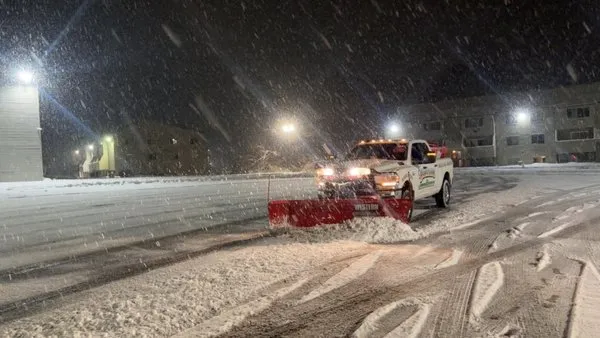
For over 25 years, Beckers Lawn Care & Landscaping has been a trusted name for landscaping and lawn care in Central Illinois. Owned and operated by Matt Becker, who holds a degree in horticulture and ...
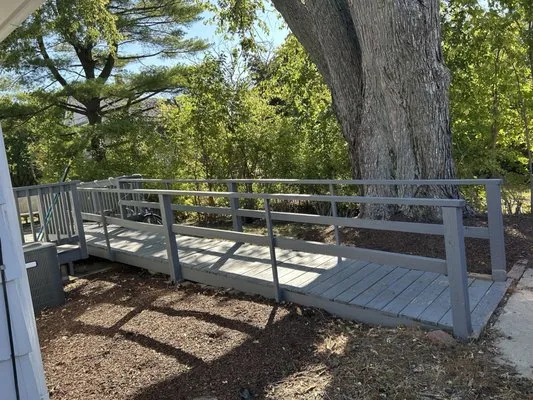
Flawless Landscaping is a trusted, locally-owned company serving Rantoul, Danville, Urbana, and Champaign for over five years. We combine extensive experience with a professional approach to handle ev...

Cut & Clear Co. LLC is your trusted, locally owned partner for property cleanup and maintenance in Normal and throughout Central Illinois. We specialize in transforming cluttered or neglected spaces i...
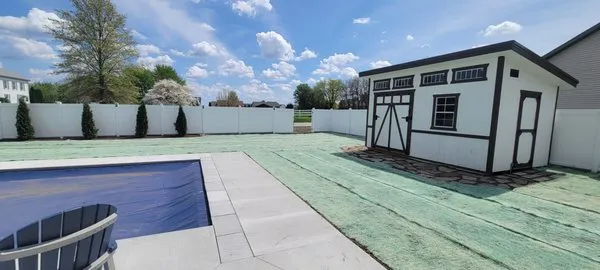
Little Mans Landscape and Excavation
Little Mans Landscape and Excavation is your local, full-service partner for outdoor projects in Hettick and the surrounding area. We build and maintain the landscapes that our neighbors enjoy, handli...
Sandlin Roofing & Landscaping is a locally owned and operated business serving Macomb, IL, and the surrounding communities. Founded by Gabriel Sandlin, the company brings a practical, hands-on approac...
JR's Landscape Services in Groveland, IL, is a locally owned and operated landscaping company with deep roots in the community. Founded by John Rogers, who holds degrees in Agricultural Education from...

For over 20 years, Smitty has been the reliable handyman for Pekin residents, bringing a wealth of experience from his 16 years as a union laborer. He takes genuine pleasure in being the person you ca...
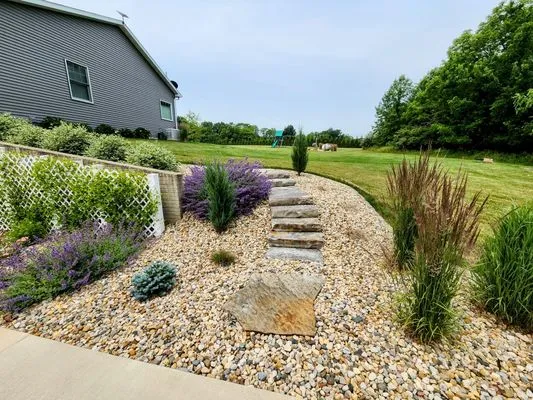
Steffens Landscaping & Lawncare is your Lincoln, IL neighbor for comprehensive outdoor care. We specialize in transforming and maintaining residential and commercial landscapes to enhance curb appeal ...
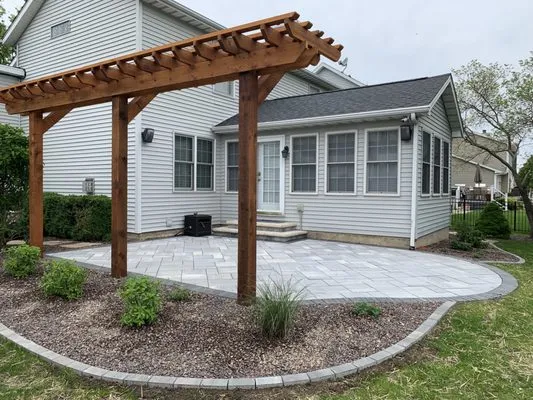
Serenity Creek Design & Landscaping
Serenity Creek Design & Landscaping is a locally owned and operated landscape design firm founded in 2008. Based in Bloomington, IL, we specialize in creating beautiful, functional, and sustainable ou...
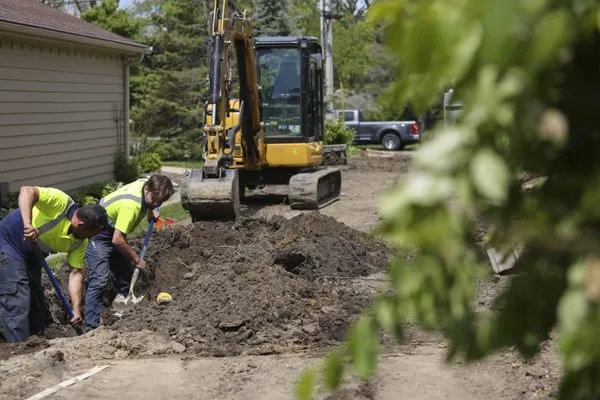
Since 1986, Reinhart Landscaping & Snow has been the trusted partner for commercial properties and select homeowners in Bloomington, IL. We understand that the unique soil and climate of Central Illin...
Estimated Landscaping Service Costs in Danvers, IL
FAQs
I've spotted what looks like invasive creeping Charlie. How should I handle it safely?
Creeping Charlie (Glechoma hederacea) is a prevalent invasive in Illinois. Manual removal is effective for small patches, ensuring the entire root system is extracted. For larger infestations, a targeted post-emergent herbicide application may be necessary. Any product used must be applied by a professional licensed under the Illinois Lawn Care Products Application and Notice Act, who will adhere to strict N-P-K labeling and observe any local blackout dates to protect water quality.
What permits and licenses are needed to regrade my 0.35-acre lot?
Regrading a 0.35-acre lot typically requires a permit from the McLean County Building & Zoning Department to ensure proper water drainage and compliance with local codes. The contractor performing the work must hold a valid license from the Illinois Department of Financial and Professional Regulation. This licensing ensures they carry the requisite insurance and have passed examinations on best practices, which is essential for earth-moving operations that can affect structural integrity and water flow.
My yard has seasonal ponding. What's a long-term solution for this water table issue?
Seasonal ponding is common with Danvers' high water table and dense Drummer Silty Clay Loam soil, which has low permeability. A subsurface drainage system, such as a French drain, can intercept and redirect groundwater. For surfacing, replacing impermeable materials with permeable concrete pavers or crushed limestone allows for infiltration. These solutions help manage runoff and may be required to meet McLean County Building & Zoning Department standards for new hardscape installations.
Are concrete pavers a better long-term choice than wood for a new patio?
For longevity and low maintenance in Danvers' climate, concrete pavers outperform wood. They are impervious to rot, insect damage, and the freeze-thaw cycles of Zone 5b. From a Firewise perspective, their non-combustible nature contributes to a 'moderate' rated defensible space, a critical consideration for community-wide vegetation management. While initial cost may be higher, pavers offer a permanent solution without the ongoing treatment or replacement required of wood.
Our lawn looks thin and struggles to absorb water. Could it be the original soil?
Properties in the Danvers Historic District, built around 1963, often have mature Drummer Silty Clay Loam soil. Over 60 years, this soil can become heavily compacted from foot traffic and equipment, reducing its percolation rate. The natural pH of 6.5-7.2 is favorable, but the dense clay structure limits root penetration and water infiltration. Core aeration followed by a top-dressing of compost is the recommended soil amendment to rebuild pore space and organic matter.
A storm damaged a tree and I need an emergency cleanup to meet HOA requirements. How quickly can a crew arrive?
For an emergency cleanup, our dispatch from Danvers Community Park prioritizes access to I-74. This routing allows for a response time of 25-35 minutes during peak periods. The crew will arrive with an electric chipper and hand tools, compliant with the local noise ordinance for gas-powered equipment, which restricts operation to 7:00 AM - 9:00 PM. This ensures rapid site mitigation while adhering to community standards.
How can I keep my Kentucky Bluegrass blend healthy during Danvers' Stage 1 water conservation?
Under voluntary conservation, efficient water use is paramount. A Wi-Fi ET-based weather-sensing irrigation system is calibrated to apply water only when evapotranspiration data indicates a need, preventing overwatering. This technology precisely matches the 1-1.5 inches per week typically required by a Tall Fescue blend during peak season. This approach maintains turf health while respecting municipal water limits and adapting to real-time weather changes.
I want to reduce mowing and gas equipment noise. What are my options?
Transitioning high-maintenance turf areas to a native planting of Purple Coneflower, Little Bluestem, and Prairie Dropseed significantly reduces weekly mowing and fueling needs. These deep-rooted perennials are adapted to Zone 5b, require no irrigation once established, and support local biodiversity. This shift also future-proofs your property against evolving noise ordinances targeting gas-powered blowers and mowers, aligning with broader community sustainability goals.
