Top Landscaping Services in Cruger, IL, 61530 | Compare & Call
There are 206 landscaping companies server in Cruger IL
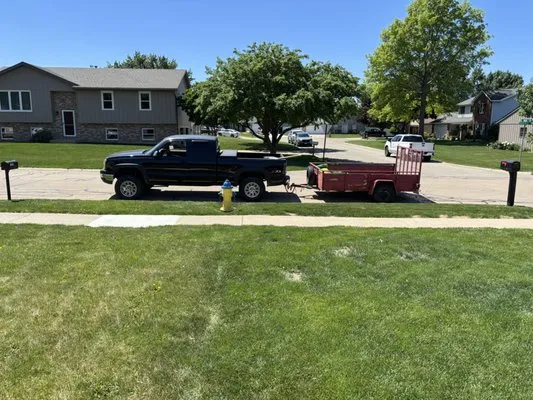
River City Land Work is a trusted landscaping and design firm serving Marseilles, IL, and the surrounding area. We specialize in professional landscape design that addresses common local challenges li...
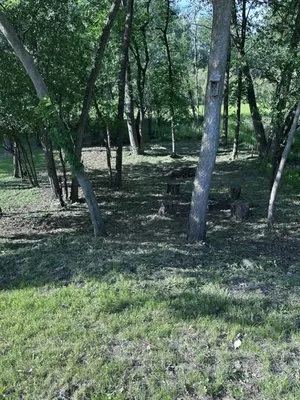
A&R Lawn Care
A&R Lawn Care is a locally owned and operated lawn care and exterior cleaning company serving Ottawa, IL. We specialize in helping homes and businesses maintain their properties year-round with servic...
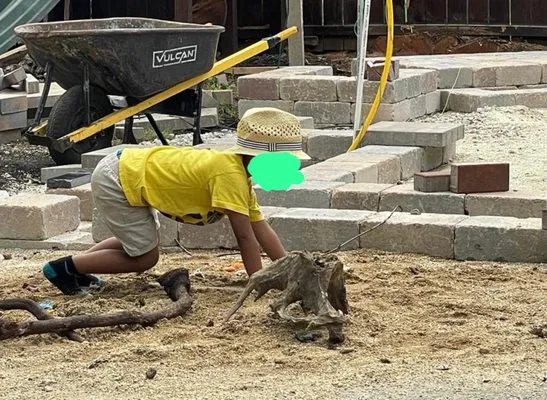
Flawless Landscaping is a trusted Ottawa, IL company specializing in landscape design and snow removal services. We help local homeowners tackle common landscaping challenges like yard drainage proble...
Stohr's Lawn Service is a trusted, locally-owned provider of comprehensive lawn and tree care services in Ottawa, IL. For years, we've helped homeowners tackle common local landscaping challenges, inc...

Kazdyn, the owner of Nantz Landscaping, is a dedicated local professional serving Ottawa, Marseilles, Seneca, LaSalle, Peru, and Utica. He takes pride in helping neighbors maintain and enhance their o...

Danchris Nursery is a family-owned landscaping and garden center in Streator, IL, founded in 1960 by Dan Salata. Now owned by his son Greg and wife Arlette, with third-generation family involvement, t...
Bartman Design & Landscape is a trusted Ottawa, IL landscaping company dedicated to enhancing local outdoor spaces. We specialize in addressing common area challenges like dead lawn patches and irriga...
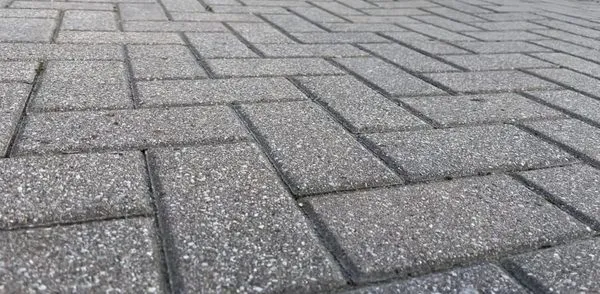
Masching Lawn & Landscape is a trusted lawn care provider serving Coal City, IL, and surrounding areas. We specialize in comprehensive lawn care services designed to address common local landscaping c...
Jake's Lawn & Tree Service
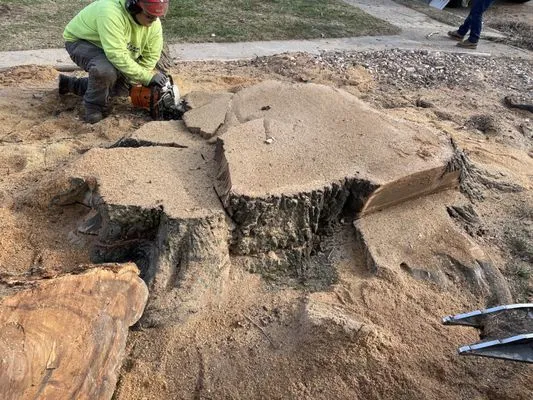
Jake's Lawn & Tree Service is a locally owned and operated business serving Granville, IL, and the surrounding LaSalle County area. Founded by Jake, who started the company to provide more personalize...
Scenic Solutions Landscaping is a Hopewell, IL-based landscaping company dedicated to transforming local properties through attentive service and practical solutions. We begin every project by listeni...
Estimated Landscaping Service Costs in Cruger, IL
Q&A
How do smart irrigation systems work with Cruger's voluntary water conservation?
Wi-Fi ET-based controllers calculate evapotranspiration rates using local weather data, applying precise water volumes only when turfgrass needs moisture. This technology maintains Kentucky Bluegrass health while reducing water use 20-40% below conventional systems. Programming follows soil moisture sensors to prevent overwatering during high water table periods. Municipal water departments recognize these systems as best practice for voluntary conservation compliance.
What permits and licenses are needed for landscape grading work?
The Woodford County Zoning and Planning Department requires grading permits for soil movement exceeding 50 cubic yards on 0.35-acre lots. Contractors must hold Illinois Department of Financial and Professional Regulation landscaping licenses for earthwork affecting drainage patterns. Licensed professionals carry erosion control certifications required under state runoff prevention laws. Unpermitted grading can trigger costly restoration requirements and fines.
How quickly can you respond to an HOA violation notice for overgrown vegetation?
Emergency cleanup crews dispatch from Cruger Community Park via IL-117, arriving at Cruger Central properties within 20-30 minutes. Standard response includes immediate mowing and debris removal to meet HOA height requirements. All equipment carries standard mufflers compliant with 10 PM-7 AM quiet hours. Crews document before-and-after conditions for compliance verification.
What solutions exist for yards that stay wet weeks after rain?
Seasonal high water tables in Cruger's silt loam require French drains or dry wells to redirect subsurface flow. Permeable crushed limestone pathways increase infiltration rates compared to solid concrete. The Woodford County Zoning and Planning Department requires drainage plans showing 1% minimum slope away from foundations. Soil amendments with expanded shale aggregate create better pore space for water movement.
Why does my Cruger Central lawn have drainage issues and poor grass health?
Cruger Central properties built around 1984 have 42-year-old soil profiles where silt loam has become compacted over decades. This soil type naturally develops poor permeability when not aerated, creating the seasonal high water table conditions common here. Core aeration with organic compost amendments improves soil structure and percolation rates. Regular soil testing at pH 6.8 helps maintain optimal nutrient availability for Kentucky Bluegrass and Tall Fescue.
Are there low-maintenance alternatives to traditional lawn grass?
Transitioning to native plantings like Purple Coneflower and Little Bluestem reduces mowing frequency and eliminates gas-powered equipment noise during restricted hours. These deep-rooted species access subsurface moisture, requiring minimal irrigation once established. Native gardens support local pollinator populations while meeting 2026 biodiversity standards. Electric maintenance fleets operate quietly within Cruger's noise ordinance parameters.
How should I treat invasive weeds without harming my lawn?
Identify common invasives like Japanese knotweed or garlic mustard before they establish in Cruger's silt loam. Spot-treat with EPA-approved herbicides during active growth phases, avoiding phosphorus-containing products per state runoff prevention laws. Manual removal before seed set prevents chemical use altogether. Maintain 3-inch mowing height to discourage weed germination in turfgrass areas.
Which patio material lasts longest in Cruger's climate?
Concrete pavers withstand freeze-thaw cycles better than wood, which decays in Zone 5b's humid summers. Crushed limestone pathways provide fire-wise defensible space by creating non-combustible zones around structures. Both materials require proper base preparation with geotextile fabric to prevent settling in high water table conditions. Permeable installations help meet municipal stormwater management requirements.
