Top Landscaping Services in Cortland, IL, 60112 | Compare & Call
There are 149 landscaping companies server in Cortland IL

Edge Property Services is a family-owned and operated business proudly serving Prophetstown, IL, and the surrounding Illinois communities. Founded and led by Ethan Edge, our licensed and insured team ...
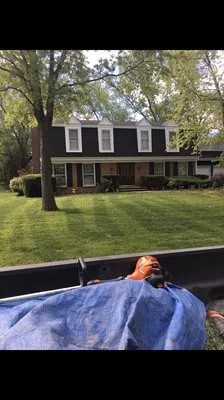
Diamond Cutters Lawn Mowing And Snow Plowing
Diamond Cutters Lawn Mowing And Snow Plowing is a trusted, full-service landscaping company serving Grayslake, IL, and the surrounding areas. We specialize in comprehensive lawn care, reliable snow re...
Harrell & Son’s Lawn Maintenance is a trusted, family-owned lawn service provider serving Lake in the Hills, IL, and the surrounding areas. Specializing in comprehensive lawn care, we help local homeo...
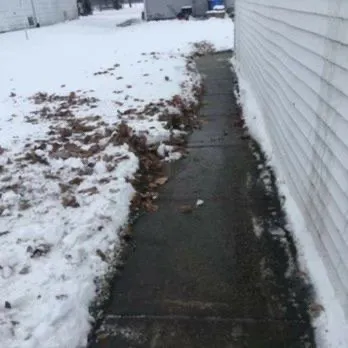
Superior Lawn & Landscape is a locally owned and operated lawn service provider proudly serving Sandwich, IL, and the surrounding counties. Founded by professionals with a combined decade of hands-on ...
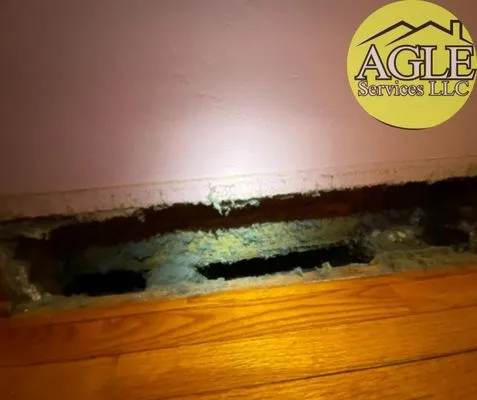
AGLE Services is a trusted Aurora-based company providing comprehensive heating, air conditioning, and landscaping solutions to local homeowners. Specializing in air duct cleaning, sanitization, HVAC ...

Liffy Lawn Care is a trusted, family-owned lawn service, pest control, and junk removal provider serving Aurora and the surrounding communities. We take a personalized approach to lawn care, starting ...
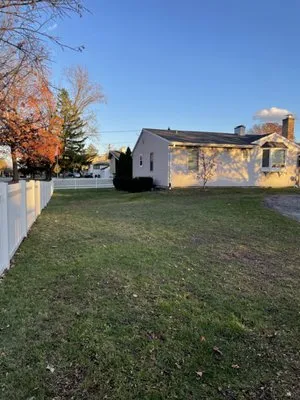
Two Burdes Lawn Care is a trusted local lawn service provider based in Warrenville, IL, dedicated to maintaining healthy, vibrant lawns for residents across DuPage, Kane, and Will counties. We special...
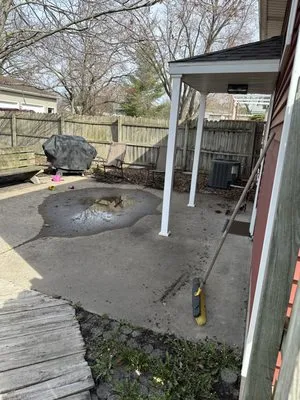
5700 Growz is a locally owned and operated business in La Salle, IL, founded by Larry Kelly. We specialize in both lawn care and home cleaning services, dedicated to helping our neighbors maintain bea...
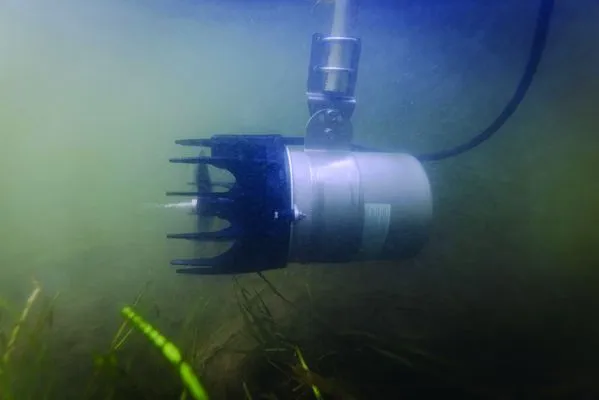
Since 1990, Environmental Technology has served Ringwood, IL, as a dedicated lake management company specializing in algae and weed control for local ponds and lakes. We provide comprehensive solution...
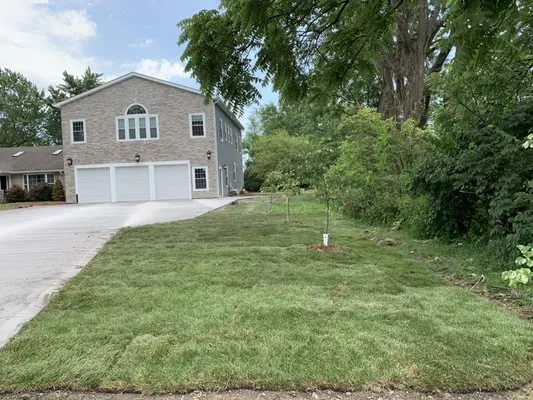
Alvez Seasons Landscaping is a West Chicago-based landscaping company dedicated to transforming outdoor spaces into personalized oases. Founded with a simple mower and a few tools, we've grown by focu...
Estimated Landscaping Service Costs in Cortland, IL
Question Answers
Do I need a permit to re-grade my yard or install a dry creek bed?
Yes, significant grading that alters water flow or involves substantial earth moving typically requires a permit from the Cortland Building & Zoning Department. For a 0.25-acre lot, proper engineering is essential to avoid impacting neighboring properties. Furthermore, contractors performing this work must hold appropriate licensing through the Illinois Department of Financial and Professional Regulation, which ensures they carry required insurance and adhere to state codes.
I'm tired of weekly mowing and blowing. Are there lower-maintenance options?
Yes, transitioning high-input turf areas to a xeriscape or native planting bed dramatically reduces maintenance. Species like Purple Coneflower, Little Bluestem, and Butterfly Milkweed are adapted to Zone 5b and require no irrigation once established, no regular mowing, and minimal leaf cleanup. This shift future-proofs your landscape against potential gas-blower regulations and supports 2026 biodiversity goals for pollinators.
How quickly can you respond for an HOA violation notice or storm debris cleanup?
For urgent compliance or emergency cleanup, our dispatch from Cortland Community Park via IL-38 allows a peak response window of 20-30 minutes to Cortland Estates. We maintain an electric fleet for quiet operation under standard noise ordinances, enabling early morning or late evening work if necessary. This logistical planning ensures timely resolution to prevent fines or safety hazards from fallen limbs.
Why is my lawn so spongy and thick after rain in Cortland Estates?
Properties in Cortland Estates, built around 1996, have a soil age of roughly 30 years. The prevalent Drummer Silty Clay Loam soil has a naturally dense structure, and decades of standard maintenance without soil amendment have likely degraded its permeability. This leads to poor infiltration, a spongy surface, and a seasonal high water table. Core aeration and the addition of composted organic matter are critical to rebuild soil structure and improve percolation for healthier turf.
What are the biggest weed threats and how do I handle them safely?
In this area, invasive species like creeping Charlie, crabgrass, and garlic mustard are primary alerts. Treatment involves targeted post-emergent herbicides applied at specific life-cycle stages, combined with pre-emergent barriers. Crucially, Illinois's statewide Phosphorus Application Ban prohibits phosphorus in fertilizer except for new lawn establishment, so any weed-and-feed product must be phosphorus-free to avoid ordinance violation.
My patio and yard flood every spring. What's a lasting solution?
Spring flooding is a hallmark of Drummer Silty Clay Loam's poor infiltration. A comprehensive solution involves regrading to direct water away from foundations and installing subsurface French drains. Replacing impervious surfaces with permeable concrete pavers or crushed limestone patios can significantly reduce runoff. The Cortland Building & Zoning Department encourages these permeable hardscapes to meet modern stormwater management standards.
Should I use wood or stone for a new patio and fire pit area?
For longevity and low maintenance in Cortland's climate, concrete pavers or crushed limestone are superior to wood. They resist frost heave, require no sealing or staining, and provide a non-combustible surface. While Cortland has a low Fire Wise rating, using non-flammable hardscape materials creates critical defensible space and is a prudent practice for any fire pit installation, enhancing safety and durability.
Is it okay to water my lawn every day during a dry spell?
While Cortland is currently at Stage 0 water restrictions, daily watering is detrimental. Kentucky Bluegrass and Tall Fescue develop deeper roots with less frequent, deeper soaking. Wi-Fi ET-based weather-sensing irrigation systems automatically adjust schedules using local evapotranspiration data, applying water only when needed. This technology optimizes turf health while conserving municipal water and preparing your system for potential future restrictions.
