Top Landscaping Services in Clarendon Hills, IL, 60514 | Compare & Call
There are 199 landscaping companies server in Clarendon Hills IL
Plant Tenders
Plant Tenders is a Willowbrook-based landscaping and design firm specializing in creating beautiful, functional outdoor spaces tailored to our local climate. We understand the common challenges homeow...
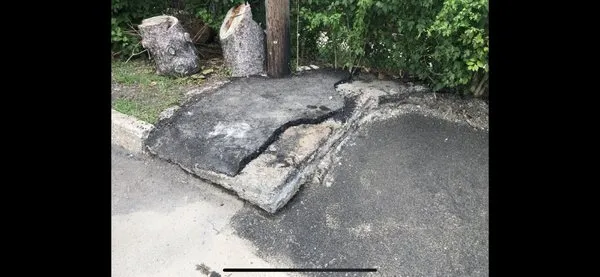
Leon Seal Coating has been a trusted Westmont paving and sealcoating contractor since 2009, serving both residential and commercial properties throughout the community. As a licensed and insured local...
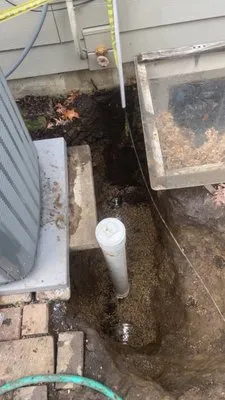
Fred & Sons Home Services is a trusted, family-owned company serving Downers Grove and surrounding areas. We provide comprehensive plumbing, masonry, and landscaping solutions to address the full rang...

Tuscany Construction and Landscaping
Tuscany Construction and Landscaping is a Hinsdale-based company owned and operated by Michael Fraghia, specializing in transforming outdoor spaces into beautiful, functional, and sustainable environm...
Grass One is a trusted lawn care provider in Hinsdale, IL, specializing in comprehensive lawn services to keep your yard healthy and vibrant. We understand the unique challenges Hinsdale homeowners fa...
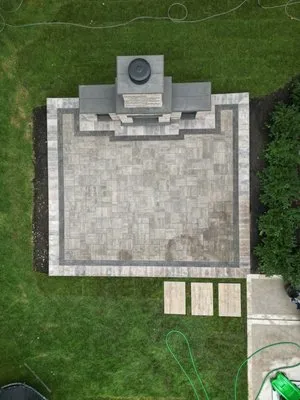
Yuritzy 4 Landscaping is a Willowbrook-based landscape design and construction company serving homeowners in the local area. We specialize in comprehensive solutions for common local landscaping chall...

Super Mow Mow
For over two decades, the Super Mow Mow team has been a dedicated part of the Willow Springs community, transforming outdoor spaces across Southwest Chicagoland. We combine extensive experience with a...

JJK Lawn Services is a trusted, locally-owned provider in Westmont, IL, dedicated to keeping your property looking its best year-round. We specialize in comprehensive lawn care and professional window...
Dream Scapes is a Downers Grove, IL-based landscaping company dedicated to enhancing local outdoor spaces with practical, sustainable solutions. We specialize in addressing common area challenges like...
Estimated Landscaping Service Costs in Clarendon Hills, IL
Frequently Asked Questions
How can I maintain my Kentucky Bluegrass and Tall Fescue blend during Stage 1 water restrictions?
Wi-Fi ET-based weather sensing irrigation adjusts watering schedules in real-time based on evapotranspiration rates and local weather data. This technology reduces water use by 20-30% while preserving turf health, staying well within voluntary conservation limits. It prevents overwatering by matching soil moisture needs precisely, which is critical for silt loam soils with poor infiltration characteristics in our climate zone.
What permits and licenses are needed for regrading my 0.22-acre property?
The Clarendon Hills Community Development Department requires grading permits for significant earth movement, while the Illinois Department of Financial and Professional Regulation mandates licensing for contractors performing this work. Professional licensing ensures proper erosion control and compliance with municipal drainage standards. On lots this size, engineered solutions may be necessary to manage runoff without affecting neighboring properties or public infrastructure.
Are clay brick pavers better than wood for durability and fire safety?
Clay brick pavers offer superior longevity with minimal maintenance compared to wood, which requires regular sealing and replacement. Their non-combustible nature contributes to defensible space in low fire-wise rating areas, reducing wildfire risk near structures. Brick's thermal mass also moderates temperature fluctuations, creating more stable microclimates for adjacent plantings in residential settings.
How quickly can you respond to an emergency tree cleanup after a storm?
Our electric fleet allows dispatch from Prospect Park via IL-83 within 20-30 minutes during peak response times, adhering to Clarendon Hills noise ordinance hours. This routing minimizes disruption while ensuring rapid debris removal for HOA compliance. We prioritize safety and efficiency, using battery-powered equipment that operates quietly within restricted timeframes to address urgent landscape hazards.
Should I consider replacing some lawn with native plants to reduce maintenance?
Transitioning high-maintenance turf to Purple Coneflower, Butterfly Milkweed, and Little Bluestem reduces mowing frequency and aligns with evolving noise ordinances restricting gas-powered equipment. These deep-rooted natives improve soil structure and support local pollinators while requiring minimal irrigation. This approach future-proofs your landscape against tightening regulations on maintenance equipment emissions and operating hours.
How do I manage invasive species without violating fertilizer regulations?
Targeted manual removal or approved organic herbicides address common invasives while complying with Illinois Phosphorus Application Rate Act requirements. Soil testing determines precise nutrient needs, avoiding unnecessary phosphorus applications during restricted periods. Integrated pest management focuses on cultural practices like proper planting density and mulch depth to suppress weeds naturally in urban interface zones.
Why does my lawn in Downtown Clarendon Hills struggle with compaction and poor drainage?
Properties built around 1977 have soil that has matured for nearly 50 years, developing a dense structure typical of Mollisols silt loam. This soil type in our neighborhood tends to form hardpan layers that restrict root growth and water infiltration. Core aeration is essential to break up compaction and improve permeability to the heavy clay subsoil. Adding organic amendments like compost enhances soil biology and structure, supporting healthier turf in USDA Zone 5b conditions.
What solutions work best for poor drainage in heavy clay subsoil areas?
Installing permeable clay brick paver systems creates subsurface channels that redirect stormwater away from foundations while meeting Community Development Department runoff standards. These pavers complement French drains or dry wells to address infiltration issues common in Mollisols soils. Proper grading ensures water moves toward designated collection points rather than pooling in landscape beds or turf areas.
