Top Landscaping Services in Chillicothe, IL, 61523 | Compare & Call

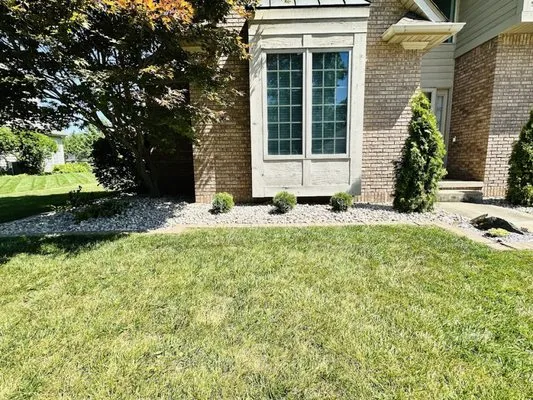
J&D Landscape is a trusted, local landscaping company serving the Chillicothe, IL community. We specialize in transforming and maintaining beautiful, healthy outdoor spaces through comprehensive servi...
Burger Landscapes is a trusted local landscaping company serving Chillicothe, IL, specializing in gardening and landscape maintenance. We understand the common local challenges like soil compaction an...

TnT Helping Hands is a trusted, locally-owned service provider in Chillicothe, IL, dedicated to helping homeowners maintain and enjoy their properties. We specialize in comprehensive lawn care and hom...
Peter's Landscaping is a trusted local landscaping company serving Chillicothe, IL, and the surrounding areas. We specialize in addressing common residential landscaping problems that many homeowners ...

Tim Peters Landscapes is a Chillicothe-based landscaping company with over 20 years of experience serving Central Illinois. Specializing in landscape construction, snow removal, and masonry/concrete w...
EDGE Lawn and Garden
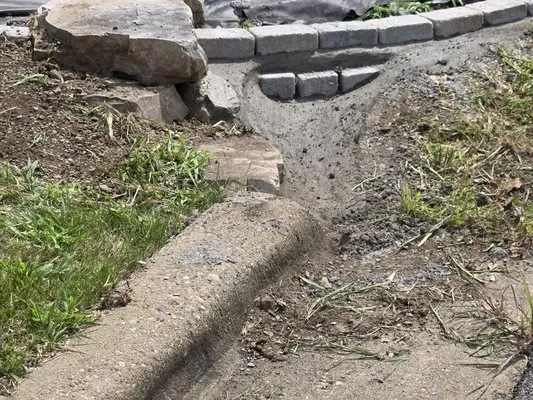
EDGE Lawn and Garden provides professional lawn care and gardening services to homeowners in Chillicothe, IL. We specialize in tackling common local landscaping challenges, such as managing overgrown ...

Big Greene Mowing is your trusted local lawn care provider serving Chillicothe, IL. We understand the unique challenges homeowners face in our area, from unsightly lawn insect damage to persistent yar...
Q&A
I want to reduce mowing and maintenance. What should I plant?
Transitioning high-input turf areas to a planting of Purple Coneflower, Butterfly Milkweed, Little Bluestem, and Wild Bergamot is a forward-looking strategy. These natives are adapted to Zone 5b, require no fertilization under the Phosphorus Act, and need minimal watering once established. This shift also pre-adapts your property for increasing restrictions on gas-powered equipment, aligning with quieter, electric maintenance.
My lawn in the Historic District seems thin and compacted. What's the underlying cause?
Homes built around 1968, common in this area, have soils with over five decades of development. The prevailing silt loam becomes heavily compacted over that timeline, reducing pore space for air and water. This compaction directly inhibits root growth for your Kentucky Bluegrass and Tall Fescue blend. Core aeration is critical to relieve this compaction, followed by topdressing with compost to build organic matter and improve soil structure long-term.
How can I keep my lawn healthy without wasting water?
Smart Wi-Fi ET-based controllers are the standard for efficiency in Chillicothe. These systems use local evapotranspiration data to water only when needed, adjusting for rainfall and temperature. This method maintains the required soil moisture for Tall Fescue's deep roots while adhering to conservation guidelines. It prevents the overwatering that exacerbates our region's high water table conditions.
Is crushed limestone or concrete better for a new patio?
Crushed limestone offers superior permeability, aiding drainage in our high water table conditions, while concrete pavers provide a more formal, stable surface. For longevity and low maintenance, concrete is generally more durable. Considering the Moderate Fire Wise rating, both non-combustible materials are excellent for creating the required 5-foot defensible zone around structures when kept clear of flammable debris.
My yard floods near the Illinois Riverfront. What's a good solution?
Seasonal riverine flooding and a high water table are significant hazards here. Silt loam soils have moderate permeability, so surface water often ponds. Installing a French drain system or creating a rain garden with deep-rooted natives can redirect water. For patios or paths, using permeable crushed limestone allows infiltration, meeting Planning and Zoning standards for managing runoff on-site.
Do I need a permit to regrade my backyard?
Yes, significant grading on a 0.22-acre lot typically requires a permit from the Chillicothe Department of Planning and Zoning to ensure proper drainage and compliance with codes. Furthermore, this work must be performed by a contractor licensed by the Illinois Department of Financial and Professional Regulation. This licensing ensures they carry the required insurance and adhere to state standards for excavation and earthmoving, protecting your property investment.
What invasive species should I watch for, and how do I control them?
In this area, watch for invasive weeds like garlic mustard or creeping Charlie, which thrive in disturbed soils. Manual removal is most effective for small infestations. For broader issues, targeted herbicide application may be necessary, but always conduct a soil test first. The Illinois Phosphorus Application Act prohibits phosphorus-containing fertilizers unless a test confirms a deficiency, so any treatment plan must use compliant products.
A storm downed branches on my property. What's your emergency response time?
For urgent storm cleanup, our electric fleet can dispatch from the City Park hub. Using IL-29, we navigate to the Historic District with a typical 20-30 minute arrival during peak response windows. This allows for rapid debris clearing to restore access and safety, operating within the municipal noise ordinance hours of 7am to 9pm for minimal neighborhood disruption.
