Top Landscaping Services in Chicago, IL, 60007 | Compare & Call
There are 220 landscaping companies server in Chicago IL
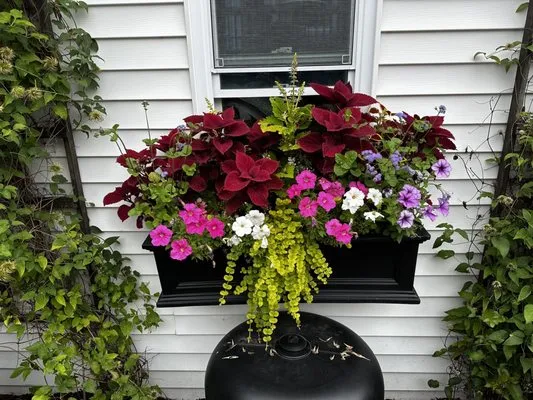
Melesio's Landscape is a Chicago-based landscaping company dedicated to enhancing and protecting your property's outdoor spaces. We specialize in comprehensive shrub care and landscape maintenance, of...
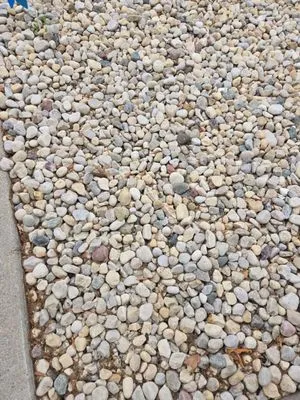
Loera Landscaping is a Chicago-based landscaping and snow removal company dedicated to solving the common local problems homeowners face, such as dying shrubs and lawn insect damage. We offer comprehe...
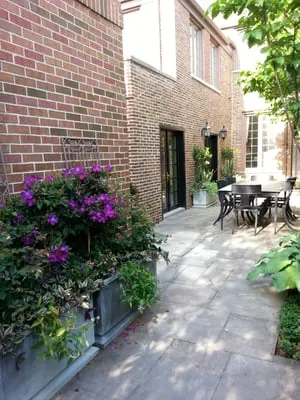
MetroScapesChicago is a full-service landscaping company serving Chicago, IL and surrounding neighborhoods like Lakeview, Lincoln Park, Graceland West, and Ravenswood. Founded by Roger Houts, who grew...
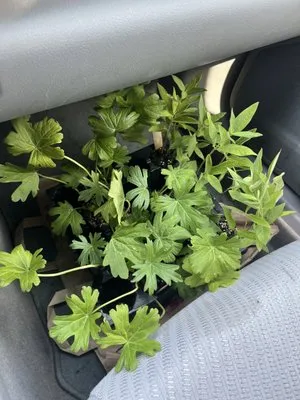
Red Stem Native Landscapes was founded by Monica Buckley, a lifelong Chicagoan whose childhood summers were filled with the wonder of local wildlife—from silk moths to swallowtail butterflies. After y...
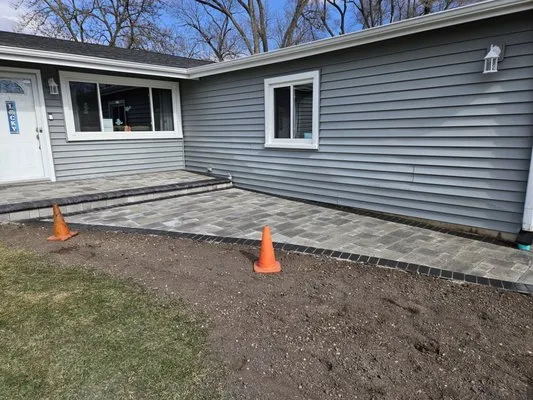
BJ's Lawn Service is a family-owned landscaping business that has been serving the Palatine, IL community since 2001. With over two decades of experience, we provide comprehensive outdoor solutions fo...
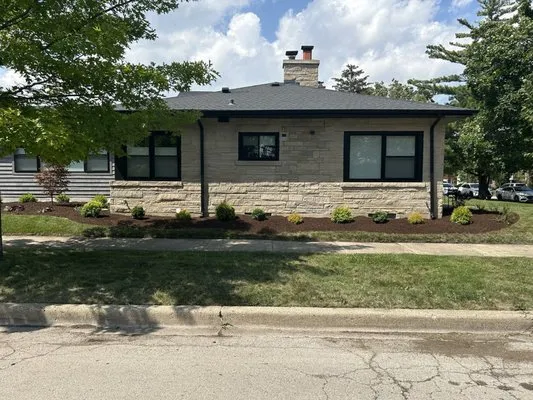
Maj Lawncare is a licensed and insured Chicago landscaping company founded by the brother-sister team of Mason and Taylor Maj. More than just a service provider, their mission is to create opportuniti...
Christy Webber Landscapes
Christy Webber Landscapes is a Chicago-based landscape management company with over 30 years of experience serving residential, commercial, and municipal clients. Founded in 1988 by Christy Webber, wh...

Big Cuts in Chicago, IL is a locally owned lawn care service dedicated to eco-friendly practices and reliable maintenance. We specialize in using electric mowers and sustainable tools to provide servi...
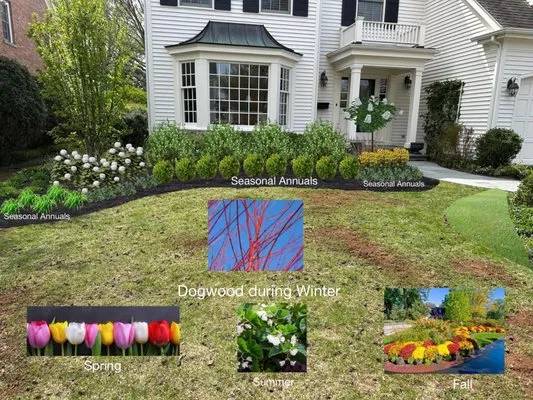
A Martinez Landscaping is a family-owned Chicago landscaping company serving residential and commercial clients throughout Chicagoland since 1990. Founded by Alberto Martinez Sr., the business has gro...
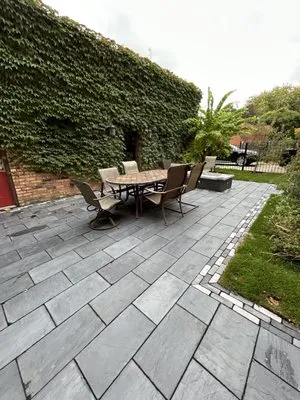
Azteca Brick Paving is a family-owned Chicago hardscaping and masonry business established in 1998 by Cesar Rios. With over 25 years of specialized experience in brick pavers and landscape constructio...
Estimated Landscaping Service Costs in Chicago, IL
Question Answers
What invasive species should I watch for, and how are they treated?
Garlic mustard and buckthorn are pervasive threats in Lincoln Park. Manual removal before seed set is most effective. For chemical control, we use targeted, non-phosphorus herbicides applied by licensed professionals, strictly following label rates. This approach safeguards surrounding native plants like Butterfly Milkweed and complies with Illinois state law prohibiting phosphorus application on established turf, preventing nutrient runoff into watersheds.
Are clay brick pavers a better long-term choice than wood for a patio?
For longevity and low maintenance, clay brick pavers are superior. They are impervious to rot, insect damage, and do not require chemical treatments. In Chicago's freeze-thaw cycles, properly installed pavers on a compacted gravel base will remain stable for decades. While Chicago has a low Fire Wise rating, non-combustible materials like brick provide inherent defensible space and eliminate a potential fuel source adjacent to your home.
Is there a lower-maintenance alternative to my high-input lawn?
Transitioning sections of turf to a native plant palette is a forward-looking strategy. Species like Purple Coneflower and Prairie Dropseed are adapted to Zone 6a, require no fertilizer, and minimal water once established. This reduces mowing frequency and eliminates gas-powered blower use, aligning with evolving municipal noise ordinances. It creates a resilient, biodiverse landscape that supports local pollinators and requires less resource input.
How quickly can a crew arrive for an emergency storm cleanup?
For urgent HOA compliance or safety issues, we prioritize immediate dispatch. From our staging near the Lincoln Park Conservatory, crews take the Kennedy Expressway (I-90/94) directly to Lincoln Park. During peak traffic, anticipate a 45-60 minute response window. We coordinate via GPS to navigate congestion and ensure the fastest possible arrival with electric equipment to comply with local noise ordinances upon entry.
Do I need to worry about water restrictions for my lawn?
Chicago's Lake Michigan source means no mandatory restrictions, but conservation is a best practice. A smart Wi-Fi ET-based controller is critical. It adjusts irrigation schedules using real-time evapotranspiration data, applying water only when your Kentucky Bluegrass blend needs it. This technology prevents overwatering, reduces runoff into the combined sewer system, and maintains turf health within the city's water use efficiency goals.
Why does my Lincoln Park soil feel so dense and compacted?
Your property is built on urban fill, a mix of native Mollisols and construction debris, common for a 1952-built home. After 74 years of settling, this soil has poor structure and low permeability. To improve water infiltration and root growth, core aeration and incorporating compost are essential. This process directly addresses the high clay content that inhibits soil biology and contributes to the prevalent basement flooding risk in the area.
My basement dampens after heavy rain. What's the landscaping fix?
This is a direct result of the area's impermeable, clay-heavy urban fill. The primary solution is redirecting water away from your foundation. We install French drains or dry creek beds paired with soil grading. For new hardscapes, specifying permeable clay brick pavers can significantly increase ground absorption. These systems often require a permit from the Chicago Department of Buildings to ensure they meet updated stormwater runoff standards.
What permits and licenses are needed for regrading my small lot?
Altering drainage patterns or significantly changing your grade on a 0.07-acre lot typically requires a permit from the Chicago Department of Buildings. The contractor performing this work must hold appropriate licensing through the Illinois Department of Financial and Professional Regulation. This ensures they carry the required insurance and possess the technical knowledge to execute the work without creating negative impacts on neighboring properties or the public right-of-way.
