Top Landscaping Services in Chicago Heights, IL, 60411 | Compare & Call

Suburban Landscaping
Suburban Landscaping has been a trusted name in Chicago Heights, IL, since 1984, building a reputation on reliable, full-service landscaping. Our team, led by Business Department Manager Deena, who ha...
Calderon Remodeling & Landscaping
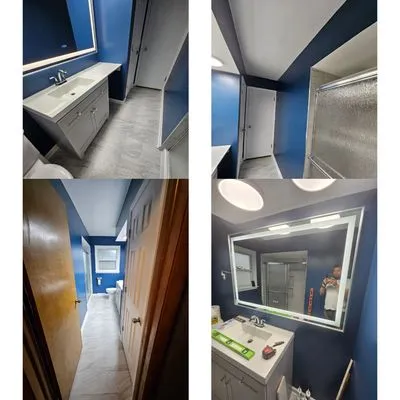
Calderon Remodeling & Landscaping is your local Chicago Heights partner for transforming homes and outdoor spaces. We specialize in a comprehensive range of services, from kitchen and bathroom renovat...
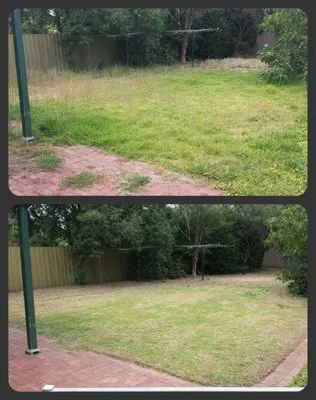
David's Lawn Care is a trusted, local lawn service provider in Chicago Heights, IL, dedicated to maintaining beautiful and healthy outdoor spaces for homeowners. We understand the specific challenges ...
Top Gunn Landscape,
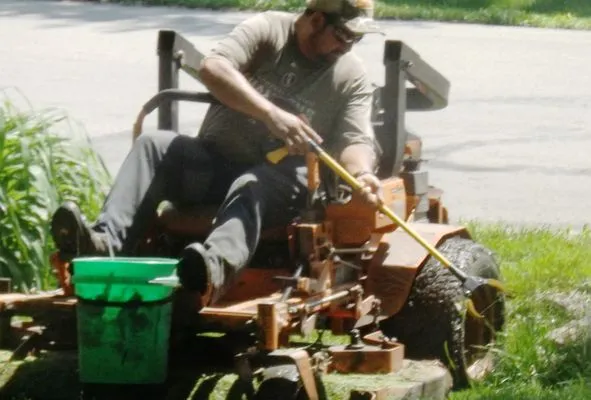
Top Gunn Landscape is a Chicago Heights, IL-based landscaping company specializing in gardening and landscape maintenance. We help local homeowners create and maintain beautiful outdoor spaces that co...

TNA Landscaping is a licensed and bonded company serving Chicago Heights, IL, the South Suburbs, and Northwest Indiana with four years of experience in year-round property care. We provide dependable ...
Utermark & Sons Quality Lawn Care has been a trusted name in the Chicago Heights community since 1994, serving homeowners with a commitment to personal pride in every project. With a dedicated team of...
Dutch Valley Landscape Contractors
Dutch Valley Landscape Contractors is a local, family-owned landscaping business that has been serving Chicago Heights and the greater Chicagoland area since 2012. As a Certified Illinois Pesticide Ap...

Osvaldo's Lawn Care and Landscaping is your trusted local partner for a healthy, beautiful yard in Chicago Heights. We understand the unique challenges homeowners face here, from invasive lawn insects...
C A Landscape is a trusted landscaping company serving Chicago Heights, IL, dedicated to solving common local yard problems. Many homeowners in the area struggle with issues like poor yard drainage an...

Cherry Creek Landscaping is a full-service design and construction company serving Chicago Heights and the surrounding Southland area. We specialize in creating beautiful, functional, and durable outd...
Frequently Asked Questions
Is it wasteful to water my Kentucky Bluegrass lawn in Chicago Heights?
Not with modern, precise technology. While voluntary conservation is advised, an ET-based irrigation system connected to local weather data is the solution. It automatically adjusts run times based on real-time evapotranspiration rates, preventing overwatering. This method delivers exactly what your Tall Fescue and Bluegrass blend needs, conserving significant municipal water while maintaining turf health during drought stress. Properly managed, this system aligns with the highest water stewardship standards.
What are the long-term benefits of switching from grass to native plants?
Transitioning to a palette of Purple Coneflower, Little Bluestem, and Wild Bergamot builds a climate-adaptive landscape that requires no weekly mowing, fertilization, or frequent irrigation. This xeriscape approach future-proofs your property against tightening noise ordinances and potential water restrictions. It establishes a self-sustaining ecosystem that supports 2026 biodiversity targets for pollinators and reduces your carbon footprint by eliminating weekly gas-powered maintenance.
How do I control invasive weeds without harming my lawn or breaking local laws?
For common invaders like crabgrass, pre-emergent herbicide timing is critical and must be planned around the Illinois Phosphorus Fertilizer Ban. Post-emergent spot treatments with selective herbicides are effective for broadleaf weeds. The most sustainable defense is cultivating thick, healthy turf through proper soil pH management (aim for 6.8-7.2) and overseeding to outcompete weeds. Always verify application dates to ensure compliance with any local blackout periods for nutrient applications.
How quickly can a crew respond for an urgent HOA compliance or storm damage cleanup?
For an emergency dispatch from our central staging area near the Chicago Heights Public Library, a crew can typically reach Lincoln-Lansing within the 25-35 minute window, even during peak hours. The primary route utilizes IL-394 for efficiency. We maintain dedicated electric equipment for early morning or late evening noise-sensitive work, adhering to the local 7am-9pm ordinance for gas-powered machinery. Immediate triage focuses on safety hazards like downed limbs before addressing aesthetic violations.
Do I need a permit to regrade my yard or install a drainage system?
Yes. Any significant alteration of water flow or land contour on your 0.15-acre lot typically requires review by the Chicago Heights Building & Planning Department to ensure compliance with municipal drainage codes. Furthermore, the contractor performing this work must hold appropriate licensing through the Illinois Department of Financial and Professional Regulation. This protects you from liability and ensures the work meets engineering standards for soil stability and stormwater management, which is crucial in neighborhoods with known ponding issues.
Water pools in my yard after every rain. What's the permanent fix?
Localized ponding is a direct result of the high clay content in our silt loam soils, which drastically reduces permeability. The solution involves regrading to create positive surface flow and installing subsurface solutions like French drains. For new hardscapes, specify permeable concrete pavers or an open-graded crushed limestone base to meet Chicago Heights Building Department runoff requirements. These systems manage water on-site, recharging groundwater and eliminating standing water that damages turf roots.
Why does my lawn in Lincoln-Lansing seem compacted and unhealthy despite regular care?
Homes built around 1958, like many in your neighborhood, sit on nearly 70-year-old landscapes where the original Mollisols topsoil has been depleted. The underlying high-clay subsoil creates a dense, impermeable layer that restricts root growth and water infiltration. To restore soil health, we recommend annual core aeration in fall and top-dressing with composted organic matter. This process reintroduces air, improves soil percolation, and rebuilds the soil food web essential for a resilient lawn.
Are concrete pavers a better choice than wood for a new patio?
For longevity and minimal maintenance in our Zone 6a climate, concrete pavers are superior. They resist frost heave, do not rot or splinter, and have a lifespan decades longer than wood. Their modular design allows for excellent permeability when installed correctly. While the local Fire Wise rating is low, the non-combustible nature of pavers provides inherent defensible space, a consideration for future climate resilience. Crushed limestone pathways offer similar durability and excellent drainage.
