Top Landscaping Services in Caseyville, IL, 62203 | Compare & Call

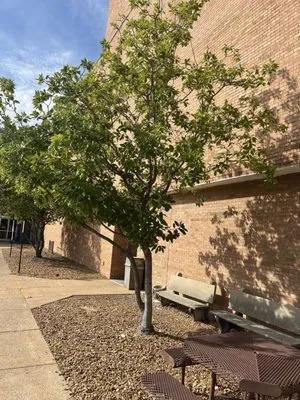
A&K Outdoor Services is a locally-owned, full-service lawn and landscaping company based in Caseyville, IL, dedicated to enhancing residential, commercial, industrial, and HOA properties throughout th...

Family Landscape Solutions is a Caseyville-based lawn and landscape company dedicated to transforming outdoor spaces for local homeowners. We specialize in comprehensive design and installation servic...
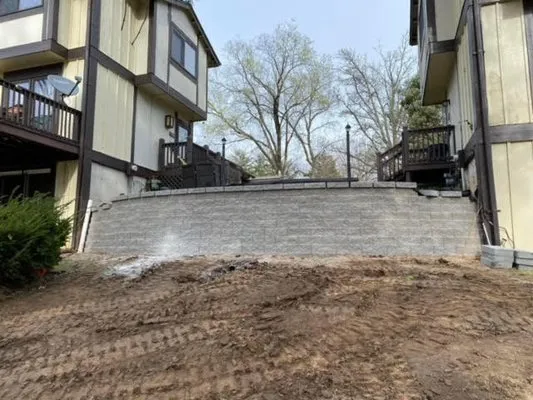
Sol Luna-Outdoors is a trusted landscaping company serving Caseyville, IL, and the surrounding communities. We specialize in diagnosing and solving the common local lawn issues homeowners face, partic...

JV Lawn Care and Landscaping is a trusted, locally-owned service provider based right in Caseyville, IL. For homeowners throughout Caseyville, Canteen Township, Collinsville, Fairview Heights, East St...

Lawn Dog Lawn Care
Lawn Dog Lawn Care is a family-owned and operated lawn service business in Caseyville, IL, founded by Steven and Erika Johns. With Steven's lifelong passion for landscaping and Erika's dedication to b...
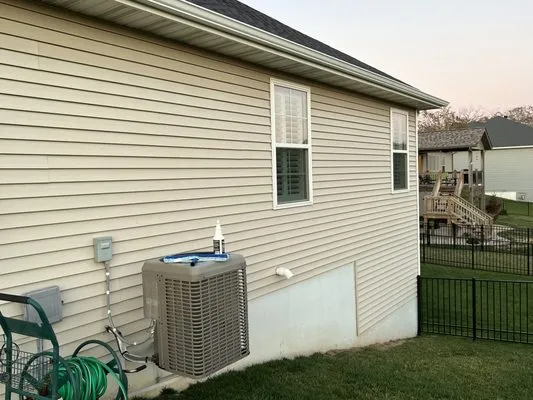
Xpress Lawn Solutions has been providing reliable lawn care and property maintenance services to the Caseyville community since 1999. With over two decades of experience, our team specializes in compr...
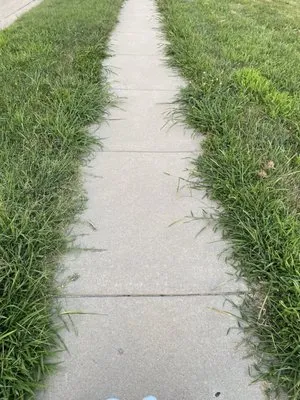
Munie Greencare Professionals
Munie Greencare Professionals has been the trusted, family-owned choice for Caseyville lawns since 1980. Founded and still led by President Joe Munie, the company has grown from a local residential la...

Two Brothers Tree Service and Landscape
Two Brothers Tree Service and Landscape is a locally owned and operated company based in Caseyville, IL, serving Madison County, St. Clair County, and South County in Missouri. We specialize in compre...
Focal Pointe
Focal Pointe has been a trusted name in Caseyville and the broader Midwest since 1997, providing a comprehensive range of landscaping, construction, and maintenance services. Their team, which include...
Gordon's Landscaping is a trusted Caseyville-based service dedicated to maintaining and enhancing the beauty and function of local properties. We specialize in addressing common local issues like spri...
FAQs
Our yard's soil seems so compacted and tired. Is this just how it is in this area, or can we improve it?
Soil maturity in Caseyville's Historic District, where homes average 58 years old, reveals a common pattern. Decades of settling and maintenance traffic have compacted the native silt loam, reducing its permeability. This soil type naturally holds moisture but develops a dense layer that restricts root growth and water infiltration. Core aeration in early fall, followed by top-dressing with compost, is critical to reintroduce organic matter and improve soil structure for the long term.
How do we keep our Tall Fescue lawn healthy during summer without wasting water or violating any city rules?
While Caseyville has no active water restrictions, conservation is mandated. The solution is an ET-based smart irrigation system. This technology uses local weather data to apply only the precise amount of water lost to evaporation and plant transpiration each day. It automatically adjusts for rainfall, preventing overwatering that exacerbates our clay subsoil saturation. This method maintains Tall Fescue's deep root system while keeping your water use well within recommended municipal limits.
Water pools in our yard after heavy rain. What's a lasting solution that also looks good?
Moderate runoff in Caseyville is often due to the slow percolation rate of our silt loam soil over a dense clay sublayer. A functional solution integrates permeable design. Replacing solid concrete with permeable concrete pavers in patios or walkways allows stormwater to infiltrate directly on-site. This approach often meets the Village Hall Planning & Zoning Department's runoff management standards and can be paired with a French drain or dry creek bed to direct excess water away from foundations.
We want to regrade part of our yard. What permits or licensed professionals are required?
Regrading that alters water flow or involves significant earthmoving typically requires a permit from the Caseyville Village Hall Planning & Zoning office. On a 0.22-acre lot, the scale of work likely necessitates hiring a landscape contractor licensed by the Illinois Department of Financial and Professional Regulation. This license ensures they carry required insurance and understand local codes concerning soil erosion control and stormwater management, protecting you from liability and substandard work.
What invasive plants should we watch for, and how do we remove them safely?
Common invasive alerts in our region include Callery Pear (Bradford Pear) seedlings, Bush Honeysuckle, and Garlic Mustard. Manual removal is preferred for small infestations. For chemical treatment, timing is critical to comply with the Illinois Nutrient Loss Reduction Strategy. Non-professional herbicide applications should avoid forecasted rain to prevent runoff and should not coincide with lawn fertilizer blackout dates typically in late fall. Always identify the species conclusively before any treatment.
We're adding a patio. Are concrete pavers a better long-term choice than wood decking here?
For longevity and minimal maintenance in our climate, concrete pavers are superior to wood. They do not rot, warp, or require sealing, and their modular nature allows for easy repair. Regarding the Firewise rating, while Caseyville is low-risk, pavers provide a non-combustible, defensible space immediately adjacent to the home, which is a key mitigation principle. Properly installed with a geotextile barrier and gravel base, a paver patio can last decades without significant upkeep.
If we have a major storm blowdown and need emergency cleanup to meet HOA rules, how fast can a crew get here?
For emergency storm response, our primary dispatch route originates from our staging area near Caseyville Park. Crews take I-64 eastbound, providing the most direct access to the Historic District. Accounting for peak traffic conditions, we plan for a 25-35 minute arrival window. We coordinate this with the local noise ordinance, ensuring all equipment operation for cleanup falls within the permitted 7 AM to 9 PM window.
We want to reduce mowing, noise, and chemical use. What's a truly low-maintenance alternative to grass?
Transitioning to a native plant community is the most ecologically sound strategy. Species like Purple Coneflower, Little Bluestem, and Butterfly Milkweed are adapted to Zone 7a conditions and require no fertilization, minimal watering once established, and no weekly mowing. This shift preemptively addresses evolving noise ordinances targeting gas-powered blowers and mowers, as maintenance shifts to seasonal trimming with quieter electric equipment. It also directly supports 2026 biodiversity goals.
