Top Landscaping Services in Cary, IL, 60013 | Compare & Call


Since 1990, Tomasello's Landscaping has been a trusted local partner for homeowners and businesses in Cary and Crystal Lake, dedicated to enhancing our community's outdoor spaces. As the owner, our fo...

Two Guys Lawn Care is your trusted, local lawn care and snow removal partner serving Cary, IL. We understand the common challenges Cary homeowners face, like uneven sprinkler coverage leaving dry patc...
Northwest Landscape Contractor has been serving Cary, IL, and surrounding Lake and McHenry County communities since 1987. As a family-owned and operated business with over 30 years of experience, we s...
NKL Small Engine Repair is a trusted local service provider in Cary, IL, dedicated to keeping the community's outdoor power equipment and landscapes in excellent condition. Founded on a commitment to ...
Trojan Landscaping is a Cary-based landscaping company founded by local professionals who began their journey in high school and have built six years of hands-on experience. We specialize in transform...
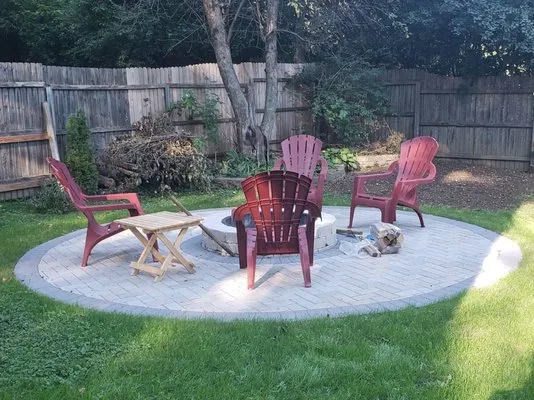
Solo Construction & Landscaping is your local, full-service landscaping contractor based right here in Cary, IL. We specialize in creating durable, beautiful outdoor spaces while tackling the common l...
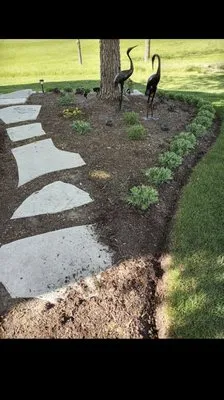
The Lynch Way is a Cary, IL-based landscaping company specializing in comprehensive outdoor solutions for local homeowners. With services ranging from landscape design and construction to maintenance ...

Black Willow Landscaping And Tree Service
Black Willow Landscaping And Tree Service is a dedicated, locally-owned provider in Cary, IL, offering comprehensive lawn and tree care solutions. We understand the specific challenges Cary homeowners...
Whitetail Landscapes is a Cary, IL-based landscaping company dedicated to solving common local yard challenges. We specialize in addressing the weed infestations and tree root lawn damage that many ho...
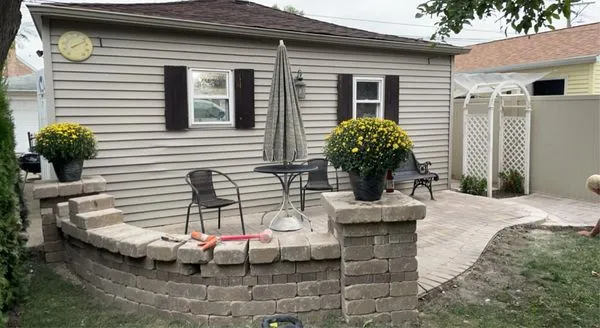
For over two decades, Rayscape has been a trusted landscaping partner for homeowners and businesses across Cary, Lake in the Hills, and the Greater Northern Illinois area. We provide a full range of s...
Q&A
Are permeable pavers a better long-term choice than wood for a new patio?
Permeable concrete pavers offer superior longevity and functionality compared to wood in Cary's climate. They provide a stable, non-rotting surface with excellent permeability to manage the silt loam soil's drainage needs. While Cary's Fire Wise rating is Low, the non-combustible nature of pavers contributes to defensible space. Their durability and minimal maintenance offer a better lifecycle cost, avoiding the replacement cycles and chemical treatments often required for wood.
What permits and credentials are needed for a significant regrading project on my lot?
Regrading a 0.32-acre lot that alters water flow or involves significant earth moving typically requires a permit from the Cary Community Development Department. The contractor must hold appropriate licensing through the Illinois Department of Financial and Professional Regulation, which ensures they carry the required insurance and understand state codes. This is crucial for work that affects drainage patterns, as improper grading can create liabilities for both your property and neighboring lots.
What should I do if I spot an invasive plant like garlic mustard in my beds?
Early identification and manual removal before seed set is critical for invaders like garlic mustard or buckthorn. For persistent perennials, a targeted, foliar-applied glyphosate in fall, when natives are dormant, can be effective. Always conduct a soil test first; the local fertilizer ordinance prohibits phosphorus application unless a deficiency is confirmed, which guides any supplemental feeding after removal without violating regulations.
My yard has persistent soggy areas. What's the best solution for Cary's soil?
The high seasonal water table and poor infiltration in local clay pockets create classic drainage challenges. A graded French drain system can intercept and redirect subsurface water. For new hardscapes, specifying permeable concrete pavers increases surface permeability, allowing stormwater to recharge the groundwater table directly on-site. This approach often meets the Cary Community Development Department's runoff management standards more effectively than traditional, impervious surfaces.
What are low-maintenance alternatives to my high-water-use grass lawn?
Transitioning to a landscape anchored by Illinois natives like Purple Coneflower, Little Bluestem, and Prairie Dropseed dramatically reduces water, fertilizer, and maintenance inputs. These deep-rooted plants thrive in your zone 5b conditions and build soil health. This shift also future-proofs your property against evolving noise ordinances by eliminating the need for frequent gas-powered mowing and blowing, moving you toward a quieter, electric-maintenance ecosystem.
Why does our soil seem so compacted and poor here in Downtown Cary?
Properties in your neighborhood, built around 1986, are approaching 40 years of soil maturity. The original Mollisols and silt loam have likely been compacted by decades of standard maintenance, reducing the pore space needed for root growth and water infiltration. This compaction, combined with the inherent pH of 6.8-7.2, limits microbial activity and nutrient cycling. Core aeration and the incorporation of composted organic matter are essential to restore soil structure and biological function for long-term plant health.
How quickly can you respond to an emergency tree cleanup for HOA compliance?
Our dispatch for an emergency in Downtown Cary originates from the Cary Metra Station. Using IL-14, our electric service vehicles can typically reach your property within the 20-30 minute window for peak storm response, adhering to local noise ordinances. We prioritize safety and debris removal to meet compliance deadlines, coordinating directly with your HOA if required to document the work and ensure all cleared material is properly recycled or disposed of.
How can I keep my lawn green during Cary's voluntary water conservation stage?
Wi-Fi ET-based weather sensing irrigation is the precise tool for Stage 1 conservation. The system automatically adjusts watering schedules based on real-time evapotranspiration data, applying water only when and where your Kentucky Bluegrass and Tall Fescue blend truly needs it. This technology prevents overwatering, aligns perfectly with municipal conservation goals, and promotes deeper root growth. Properly calibrated, it uses significantly less water than traditional timer-based systems while maintaining turf health.
