Top Landscaping Services in Canteen, IL, 62201 | Compare & Call
There are 86 landscaping companies server in Canteen IL
Slemmer Landscape is a trusted Edwardsville, IL business specializing in both landscaping and fireplace services. For local homeowners dealing with common landscaping challenges like soil compaction a...

Outer Images Lawn & Landscape is a family-owned and -operated lawn care company in Edwardsville, IL, dedicated to helping homeowners and businesses maintain healthy, beautiful outdoor spaces. With a f...
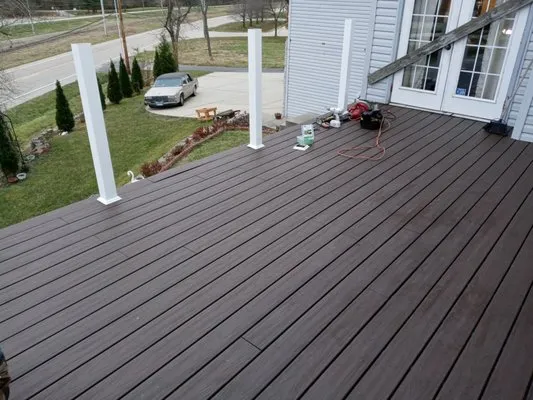
Coffmans Construction is a trusted Granite City construction company with over a decade of experience serving the local community. We specialize in comprehensive landscaping, deck building, and railin...
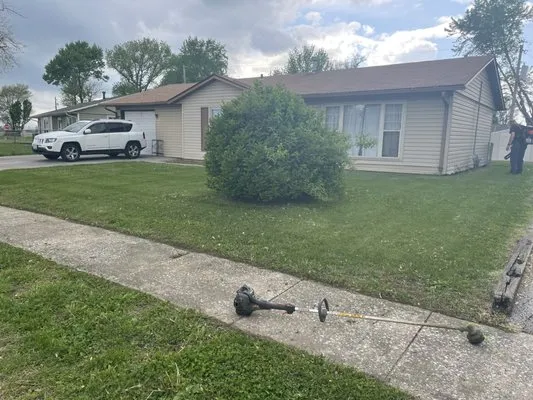
A&D Lawn Care is your local partner for maintaining a healthy and tidy yard in Granite City. We provide a complete suite of lawn services, including consistent mowing, precise trimming, and clean edgi...
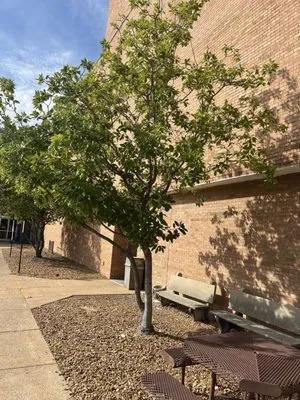
A&K Outdoor Services is a locally-owned, full-service lawn and landscaping company based in Caseyville, IL, dedicated to enhancing residential, commercial, industrial, and HOA properties throughout th...
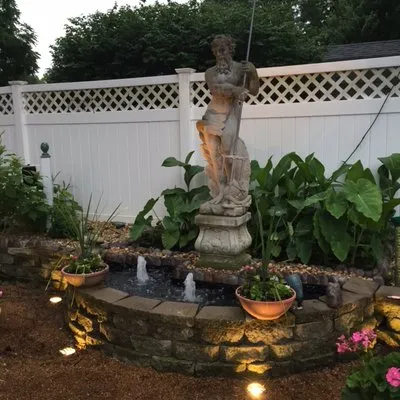
BL Landscapes & Grounds Management
For over 40 years, BL Landscapes & Grounds Management has been turning the outdoor dreams of Collinsville residents into reality. What began as a personal passion for landscaping and hardscaping has g...
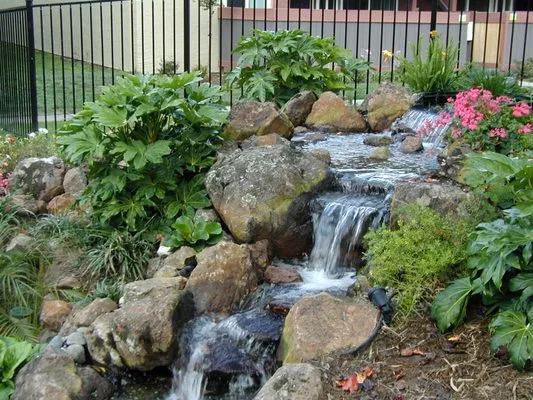
New View Landscaping is a full-service landscaping company serving Shiloh, IL, specializing in landscape design, construction, maintenance, irrigation, and lighting. We help homeowners and businesses ...
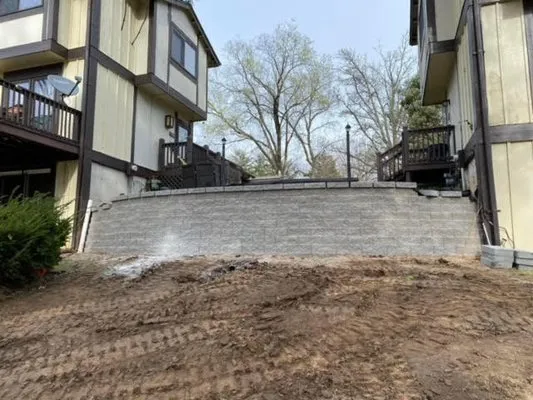
Sol Luna-Outdoors is a trusted landscaping company serving Caseyville, IL, and the surrounding communities. We specialize in diagnosing and solving the common local lawn issues homeowners face, partic...
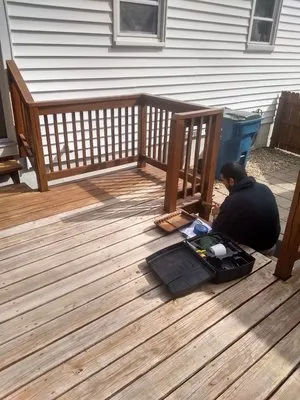
Mr Construction & Landscape
Mr Construction & Landscape is a family-owned and operated business serving Collinsville, IL, built on generations of hands-on experience. As a kid, I learned the trade from my family, and today we ru...
JV Lawn Care and Landscaping is a trusted, locally-owned service provider based right in Caseyville, IL. For homeowners throughout Caseyville, Canteen Township, Collinsville, Fairview Heights, East St...
Estimated Landscaping Service Costs in Canteen, IL
Common Questions
Will my Tall Fescue survive Canteen's summer heat without violating water restrictions?
Wi-Fi ET-based weather sensing irrigation calculates evapotranspiration rates specific to Canteen's Zone 6b microclimate. This technology applies precisely 1-1.5 inches weekly during peak demand, staying well within Stage 0 municipal limits. The system automatically adjusts for rainfall and humidity, preventing overwatering that causes fungal issues in silt loam soils. Tall Fescue's deep root system thrives under this regimen, requiring only 25-30% less water than conventional scheduling.
What solutions address seasonal flooding in my Canteen yard?
Silt loam's moderate runoff and high water table require graded swales directing water away from foundations. Permeable concrete pavers with 1/4-inch joints filled with polymeric sand increase infiltration rates by 40-60%. These installations must meet St. Clair County Planning and Zoning Department standards for stormwater management on 0.22-acre lots. French drains with clean gravel layers provide additional subsurface drainage during spring saturation periods.
Are concrete pavers better than wood for Canteen patios?
Concrete pavers offer 30+ year durability versus wood's 10-15 year lifespan in Canteen's freeze-thaw cycles. Their non-combustible nature maintains defensible space consistent with low fire-wise ratings, while permeable options reduce runoff by 50-70%. Properly installed with geotextile fabric and compacted base, pavers resist frost heave in silt loam better than wood's susceptibility to rot. Maintenance involves only occasional joint sand replenishment versus annual sealing or replacement of wooden structures.
How can I reduce maintenance while supporting local ecology?
Replacing high-maintenance turf with Purple Coneflower, Butterfly Milkweed, Little Bluestem, and Wild Bergamot creates pollinator corridors requiring minimal care. These natives thrive in Canteen's silt loam without fertilizers, aligning with electric equipment transitions ahead of noise ordinance updates. Established native plantings need only seasonal trimming, eliminating weekly mowing and reducing water use by 70-80%. This approach supports 2026 biodiversity standards while creating natural fire breaks in low-risk urban settings.
Why does my Canteen District lawn struggle despite regular care?
Canteen's 1953-built homes have 73-year-old soil systems where silt loam has become compacted over decades. This soil type naturally develops poor permeability, restricting root growth and water infiltration. Core aeration every 2-3 years introduces oxygen channels while organic amendments like compost improve structure. Mature neighborhood lots typically need 0.5-1 inch of organic matter incorporated annually to maintain healthy soil biology.
How quickly can you respond to storm damage for HOA compliance?
Emergency cleanup crews dispatch from Canteen Township Hall via I-64, arriving within 20-30 minutes during peak conditions. This routing avoids residential congestion while maintaining compliance with daytime noise ordinances. Crews prioritize safety assessments before debris removal, using electric equipment where possible to meet decibel limits. Response protocols include immediate documentation for insurance and HOA reporting requirements.
What permits and licenses are needed for grading my Canteen property?
Grading on 0.22-acre lots requires St. Clair County Planning and Zoning Department approval for erosion control and drainage plans. Contractors must hold Illinois Department of Financial and Professional Regulation landscaping licenses with bonding for projects exceeding $1,000. The Fertilizer Application Act mandates certification for any soil amendment work near waterways. Professional licensing ensures compliance with setback requirements and proper disposal of excavated material, particularly important in neighborhoods with mature infrastructure.
What invasive species threaten Canteen landscapes, and how are they managed?
Japanese knotweed and garlic mustard present primary risks in Canteen's disturbed soils. Manual removal before seed set prevents spread without chemical intervention. For persistent infestations, targeted glyphosate applications follow Illinois Fertilizer Application Act protocols, avoiding phosphorus near waterways during blackout periods. Soil solarization using clear plastic for 4-6 weeks eliminates weed seed banks while preserving mycorrhizae networks. Regular monitoring prevents reestablishment through competitive native planting.
