Top Landscaping Services in Campton Hills, IL, 60119 | Compare & Call

Solis Lawn & Paving
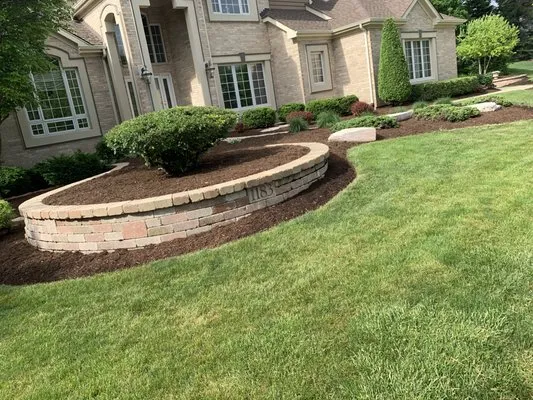
Solis Lawn & Paving is a Campton Hills-based landscaping company specializing in comprehensive outdoor solutions. We transform outdoor spaces into beautiful, functional, and sustainable landscapes thr...
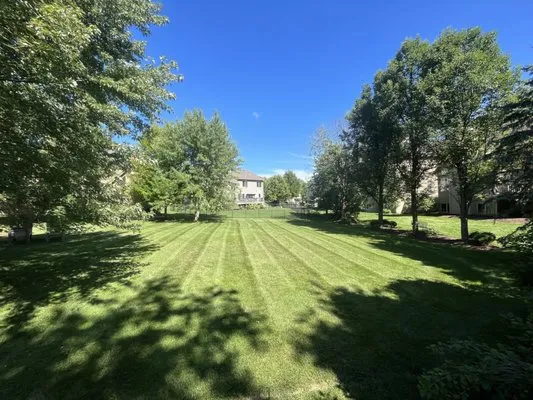
Prairie State Lawn Service is a trusted lawn care provider serving Campton Hills, IL, dedicated to maintaining healthy, vibrant lawns for local homeowners. We specialize in comprehensive lawn care sol...

TG Lawncare is a trusted local lawn service provider serving Campton Hills, IL, dedicated to maintaining and enhancing the beauty and health of residential lawns. We specialize in comprehensive lawn c...

Dirt Bros Hardscape & Excavation is a full-service landscaping and excavation company serving Campton Hills, IL. We specialize in transforming outdoor spaces with services ranging from soil backfillin...
Questions and Answers
What permits and qualifications are needed for regrading my backyard?
Regrading a 1 to 2.5-acre lot that affects drainage patterns requires a permit from the Village of Campton Hills Building & Zoning Department. The work must be performed by or under the supervision of a professional licensed by the Illinois Department of Financial and Professional Regulation. This ensures the contractor understands soil mechanics, proper slope, and erosion control, preventing off-site water damage and compliance issues that can arise from unqualified earth-moving.
How do I keep my lawn green during voluntary water conservation?
Under Stage 1 voluntary conservation, efficient water use is critical. A Wi-Fi ET-based irrigation system is the standard solution, automatically adjusting run times based on real-time evapotranspiration data from local weather stations. This technology delivers precise moisture to your Kentucky Bluegrass and Tall Fescue blend, promoting deeper roots and drought tolerance while eliminating wasteful overwatering. It is the most effective method for maintaining turf health within municipal water guidelines.
What invasive species should I watch for, and how do I control them safely?
Common invasive threats include buckthorn, garlic mustard, and creeping bellflower, which outcompete native flora. Manual removal for young plants and targeted, systemic herbicide application for established infestations are effective. All treatments must avoid the local fertilizer ordinance's prohibition on phosphorus. Applications should be timed for optimal plant uptake, typically in late fall, and never during drought or just before heavy rain to prevent runoff into the seasonal water table.
Is there a lower-maintenance alternative to my traditional grass lawn?
Transitioning high-input turf areas to a native plant community is a forward-looking strategy. Species like Little Bluestem, Purple Coneflower, and Prairie Dropseed are adapted to Zone 5b, requiring no fertilizer, minimal water once established, and no weekly mowing. This reduces dependency on gas-powered equipment, aligning with tightening noise ordinances. A designed native planting also provides critical habitat, enhancing local biodiversity and ecological function.
Are clay pavers a better long-term choice than wood for a new patio?
For longevity and reduced maintenance, clay pavers and crushed limestone are superior to wood in our climate. Wood requires regular sealing and deteriorates, while clay pavers are permanent, frost-resistant, and do not rot. From a Firewise perspective, creating defensible space is crucial in this Moderate-risk Wildland-Urban Interface. Non-combustible hardscape materials like these provide a critical ember-resistant zone adjacent to the home, enhancing property resilience.
My yard stays soggy for days after rain. What's the fix?
Persistent wet areas are a common issue with the silt loam soils and seasonal high water table in Campton Hills. Poor infiltration leads to surface pooling. Solutions include installing French drains or dry creek beds to redirect water and replacing solid pavers with permeable crushed limestone paths. These improvements increase ground permeability and can be designed to meet the Village of Campton Hills Building & Zoning Department's standards for managing stormwater runoff on-site.
Why does my soil seem so hard and compacted?
Properties in the Norton Lake area, built around 1987, have nearly 40-year-old landscapes. The original topsoil has been depleted, and the region's silt loam soil, while fertile, is prone to compaction from decades of foot traffic and maintenance. This reduces percolation, creating a dense layer that restricts root growth and water infiltration. Core aeration and incorporating organic compost are required annually to restore soil structure and biological activity.
How fast can you respond to a major storm cleanup to meet HOA deadlines?
Emergency storm response for HOA compliance is prioritized from our dispatch point near the Campton Forest Preserve. The route west on IL-64 (North Avenue) to Norton Lake typically requires 45-60 minutes during peak traffic. Our electric equipment fleet complies with the 7:00 AM start time for noise-sensitive zones, allowing for immediate, full-scale deployment to clear downed limbs and debris within the same business day of a service call.
