Top Landscaping Services in Cambria, IL, 62915 | Compare & Call
There are 58 landscaping companies server in Cambria IL

Big Muddy Landscaping
Big Muddy Landscaping is a trusted, locally-owned tree and lawn service provider serving Murphysboro, IL, and surrounding areas. We specialize in comprehensive tree care, including pruning, removal, a...
JB'S Power Washing & Junk Removal
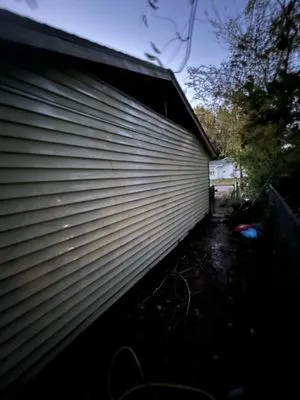
JB's Power Washing & Junk Removal is a locally owned Carterville business dedicated to helping homeowners and businesses maintain clean, attractive properties. We specialize in two key areas: professi...
Sullivan Lawn Care is a licensed and bonded landscaping company serving Harrisburg, IL, and surrounding areas since 2018. We specialize in comprehensive lawn care, commercial grounds maintenance, snow...
Champion Lawn Care is a trusted local lawn service provider in Carterville, IL, dedicated to helping homeowners maintain healthy, beautiful lawns. We specialize in comprehensive lawn care solutions th...
J&C Lawn & More is a dedicated lawn care service based in Grand Tower, IL, committed to solving the specific landscaping challenges faced by local homeowners. We understand that issues like standing w...
Dawsons Lawn and Tree Service is a trusted, locally-owned Carterville business providing comprehensive lawn care, tree services, and snow removal to homeowners throughout the area. We understand the c...

T&D Lawn Care is a family-owned and operated business serving Benton, IL, dedicated to enhancing our community through professional landscaping, pressure washing, and junk removal services. We believe...

Heaven Homes
Heaven Homes is a Christian family-owned business serving Murphysboro and Southern Illinois. We're more than a cleanout service; we're local neighbors dedicated to strengthening our community. Our wor...
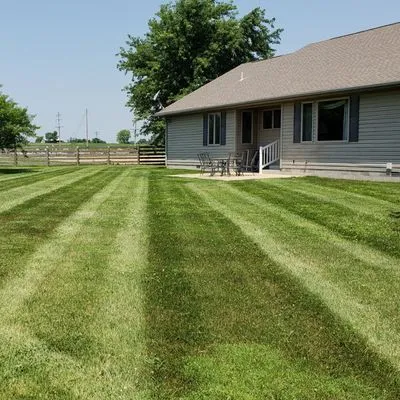
Precision Lawn Care was founded by a Carbondale native with a deep-rooted passion for the outdoors. Right after high school, they apprenticed with a family friend's lawn care business, gaining hands-o...
Family Lawn Care began as a high school mowing job for founder Greg and has grown into a trusted Southern Illinois institution since 1995. Based in Herrin, we're a local, family-owned operation dedica...
Estimated Landscaping Service Costs in Cambria, IL
Frequently Asked Questions
What permits and licensing are required for grading work on my 0.25-acre Cambria property?
Grading projects altering more than 100 cubic yards of soil require Williamson County Planning & Zoning Department permits. Contractors must hold Illinois Department of Financial and Professional Regulation licensing for earthwork exceeding 5,000 square feet. On 0.25-acre lots, even modest grading often triggers these requirements due to runoff calculations. Professional licensing ensures proper erosion control implementation and compliance with state sediment regulations.
What solutions exist for seasonal ponding in my Cambria yard's low-lying areas?
Seasonal ponding in silt loam soils indicates permeability issues that require engineered solutions. Installing French drains with proper slope directs water away from problem areas. Replacing impermeable surfaces with permeable concrete pavers or crushed limestone hardscapes meets Williamson County Planning & Zoning Department runoff standards. These materials allow water infiltration while maintaining structural integrity, reducing runoff by approximately 40-60% compared to solid concrete.
Are concrete pavers or wood better for longevity and fire safety in Cambria?
Concrete pavers and crushed limestone offer superior longevity with 25-30 year lifespans versus wood's 10-15 years in Cambria's climate. These non-combustible materials maintain the low fire-wise rating required for standard residential compliance. Properly installed hardscapes create defensible space by eliminating flammable vegetation near structures. Unlike wood, concrete materials don't require chemical treatments that could leach into the soil over time.
How can I maintain healthy Tall Fescue turf while conserving water in Cambria?
Wi-Fi ET-based weather sensing irrigation systems automatically adjust watering schedules using real-time evapotranspiration data. This technology prevents overwatering during rainy periods and increases irrigation during dry spells. The system maintains Tall Fescue health while staying well within municipal conservation standards. Properly calibrated ET-based systems typically reduce water usage by 20-30% compared to traditional timer-based irrigation.
How quickly can you respond to an emergency storm cleanup that violates HOA compliance standards?
Emergency storm response typically requires 20-30 minutes during peak conditions. Our dispatch routes from Cambria Village Hall via IL-148 to reach Cambria Central neighborhoods efficiently. We coordinate with Williamson County Planning & Zoning Department to ensure compliance with debris removal protocols. Electric maintenance equipment allows us to operate within daytime noise ordinance limits of 7:00 AM to 9:00 PM without disturbing residents.
How should I address invasive species without violating fertilizer application regulations?
Identify common invasive threats like Japanese knotweed or garlic mustard through seasonal monitoring. Mechanical removal during early growth stages proves most effective for small infestations. For established problems, targeted herbicide applications must avoid frozen or saturated ground conditions per state fertilizer ordinance requirements. Always apply treatments during optimal growing conditions when soil temperatures support proper breakdown, typically between 50-85°F in USDA Zone 6b.
Why does my Cambria Central yard have such compacted soil that won't drain properly?
Most homes in Cambria Central were built around 1994, giving the soil approximately 32 years to mature since construction. The silt loam soil common here naturally compacts over time, especially with routine foot traffic and equipment use. This compaction reduces soil percolation rates, creating drainage issues in low-lying areas. Core aeration combined with organic amendments like compost will improve soil structure and water infiltration without altering the optimal pH range of 6.2-6.8.
What alternatives exist for high-maintenance turf that reduce noise and resource demands?
Transitioning to native plantings like Purple Coneflower, Butterfly Milkweed, Little Bluestem, and Wild Bergamot creates resilient, low-input landscapes. These species require minimal irrigation once established and eliminate weekly mowing needs. Native plantings support local pollinator populations while reducing maintenance equipment usage ahead of potential gas-blower restrictions. This approach aligns with 2026 biodiversity standards and reduces operational noise within ordinance limits.
