Top Landscaping Services in Byron, IL, 61010 | Compare & Call
There are 56 landscaping companies server in Byron IL

Turf Rx of Illinois is a Stillman Valley-based lawn care and pest control service dedicated to helping local homeowners maintain healthy, attractive outdoor spaces. We specialize in comprehensive lawn...
Byron Lawn & Landscape is a trusted, locally-owned landscaping company serving the Byron, IL community. We believe a successful business is built on lasting relationships with our clients, relationshi...
RHS Landscaping is a trusted local provider in Apple River, IL, offering comprehensive property care solutions. We specialize in landscaping, snow removal, and moving services to keep your home, renta...
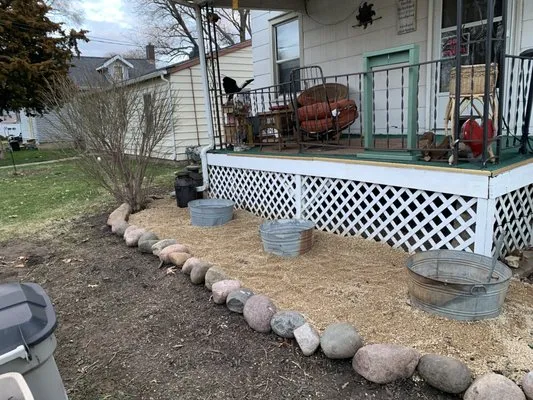
T&T Total Services is a family-owned business in Dixon, IL, dedicated to providing reliable and affordable landscaping, demolition, junk removal, and hauling services. We treat every property with the...

Aguilera Lawn Care Services is a trusted local provider in Rochelle, IL, specializing in comprehensive lawn care solutions tailored to the unique needs of homeowners in our community. We understand th...
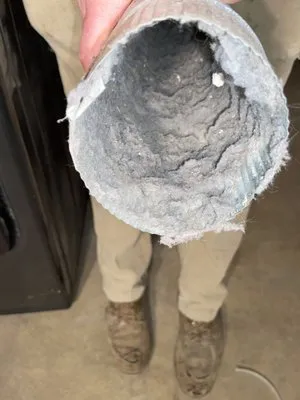
Brights Construction is a veteran-owned, local contractor serving Winnebago, Rockford, and the surrounding communities. With over three years of hands-on experience, we provide reliable handyman, pain...

Titan Contracting and Demolition
Titan Contracting and Demolition is a full-service general contractor serving Freeport, IL, and the surrounding areas. We specialize in a wide range of construction and remodeling services, from bathr...
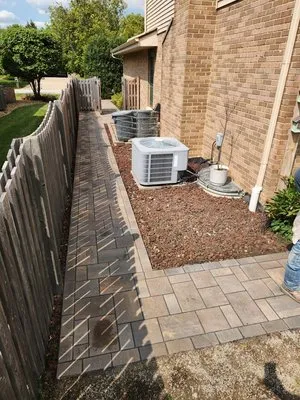
Legacy Landscapes is a trusted Elgin landscaping company with over 15 years of experience transforming outdoor spaces. We specialize in comprehensive landscape solutions including earthmoving, drivewa...

Balanced Environments
Balanced Environments is a Lombard-based landscaping company serving Chicagoland, Southern Wisconsin, and Northwest Indiana. As an award-winning, industry-certified provider, we specialize in landscap...
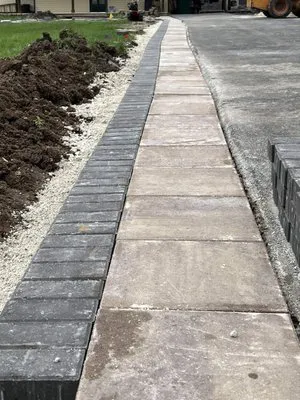
Bill n' Sons Landscaping has been serving DeKalb, IL, and surrounding communities since 2013, bringing over 20 years of combined experience to every project. As a family-owned business, we specialize ...
Estimated Landscaping Service Costs in Byron, IL
Common Questions
Are crushed limestone pavers better than wood for Byron patios?
Crushed limestone pavers offer 25+ year durability versus wood's 10-15 year lifespan in Zone 5b freeze-thaw cycles. Their light color reflects heat, reducing urban heat island effect while maintaining the Low Fire Wise Rating's defensible space requirements. Unlike wood, limestone doesn't require chemical treatments that could leach into Byron's seasonal high water table, and its permeability meets modern runoff standards.
How can I reduce maintenance while preparing for electric equipment mandates?
Replacing high-maintenance turf with Purple Coneflower, Little Bluestem, Butterfly Milkweed, and Wild Bergamot creates self-sustaining ecosystems requiring minimal intervention. These natives thrive in Zone 5b with seasonal pruning instead of weekly mowing, eliminating gas equipment needs ahead of noise ordinance expansions. Established native beds need only 20% of the water required by traditional lawns while supporting pollinator biodiversity.
How quickly can you respond to storm damage for HOA compliance in Byron?
Emergency cleanup crews dispatch from Byron Forest Preserve via IL-2, reaching most Byron City Center properties within 20-30 minutes during peak response windows. We prioritize safety assessments first, then debris removal using electric equipment compliant with 7:00 PM-7:00 AM quiet hours. This timeline meets typical HOA 48-hour cleanup requirements while avoiding noise ordinance violations.
Can I maintain Kentucky Bluegrass while following Byron's voluntary water conservation?
Smart Wi-Fi soil moisture sensor controllers optimize irrigation by tracking evapotranspiration rates and soil saturation. These systems apply 0.75-1.5 inches weekly during May-October peak growth, matching Kentucky Bluegrass needs while reducing water use 30-50% compared to timer-based systems. Voluntary conservation guidelines suggest watering before 10 AM to minimize evaporation losses in our USDA Zone 5b climate.
What permits and licenses are needed for grading my 0.25-acre Byron lot?
The Byron Building and Zoning Department requires grading permits for any cut/fill exceeding 50 cubic yards on 0.25-acre lots. Contractors must hold Illinois Department of Financial and Professional Regulation landscaping licenses for earth moving operations. Professional licensing ensures proper erosion control during Byron's spring thaw period and compliance with phosphorus-free application zones within 25 feet of any drainage way.
What invasive species threaten Byron landscapes and how should I treat them?
Japanese knotweed and garlic mustard present the highest risks in Byron's disturbed soils. Manual removal before seed set in early spring prevents spread, while targeted glyphosate applications follow phosphorus-free requirements near waterways. Treatment windows avoid blackout dates from April 15-June 1 when fertilizer ordinances protect aquatic systems. Regular monitoring of Byron Forest Preserve edges helps detect new invasions early.
Why does my Byron City Center lawn feel compacted and drain poorly after rain?
Properties in Byron City Center built around 1983 have 43-year-old soil systems. The Mollisols/silty clay loam common here naturally compacts over decades, reducing permeability to 0.1-0.5 inches per hour. Core aeration every 2-3 years introduces oxygen channels while top-dressing with composted organic matter improves soil structure. This addresses the pH 6.8-7.2 range that can limit nutrient availability in mature landscapes.
What solutions work for seasonal water table issues in Byron's clay soils?
Seasonal high water tables in silty clay loam require French drains or dry wells to redirect subsurface flow. Crushed limestone pavers provide 30-40% permeability rates, meeting Byron Building and Zoning Department runoff standards better than impermeable surfaces. Grading should maintain 2% slope away from foundations, with rain gardens in low spots to capture and slowly infiltrate 1-2 inch storm events.
