Top Landscaping Services in Burbank, IL, 60459 | Compare & Call
There are 195 landscaping companies server in Burbank IL
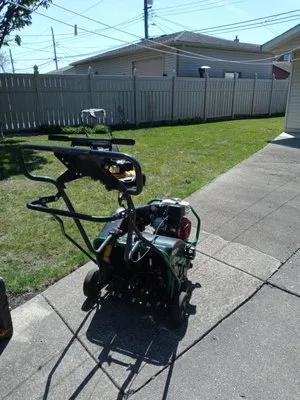
Southwest Lawn Care is a locally owned and operated lawn service company dedicated to serving residential and commercial properties on Chicago's southwest side. We specialize in comprehensive lawn car...
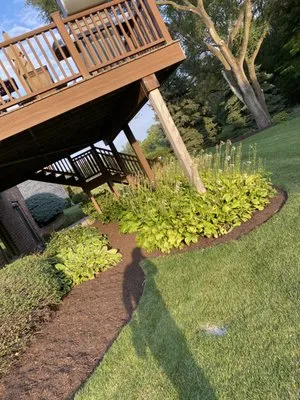
ORZ Landscaping is a dedicated lawn care provider serving Chicago, IL, specializing in comprehensive lawn services to address common local landscaping challenges. Many Chicago homes face issues like l...
Jim's Landscape & Lawn Care is Brookfield's trusted partner for creating healthy, resilient lawns. We understand the local challenges, like soil compaction from foot traffic and weather, which leads t...

Robert's Lawn Care is a trusted, locally-owned lawn service provider serving Chicago, IL, and surrounding neighborhoods. We specialize in comprehensive lawn care, helping Chicago homeowners achieve an...
Qualiardi Earth and Stone is a trusted La Grange landscaping partner specializing in creating and restoring healthy, vibrant lawns. For many local homeowners, the frustration of dead patches and uneve...
Midway Unique Landscaping is a Chicago-based landscaping and design firm specializing in creating resilient, beautiful outdoor spaces tailored to the local climate. We understand that Chicago homeowne...
City Wide Landscaping is your Chicago-area expert for tackling the most common local yard challenges. We understand that homeowners here face specific issues like damaging lawn fungus and unsightly pa...
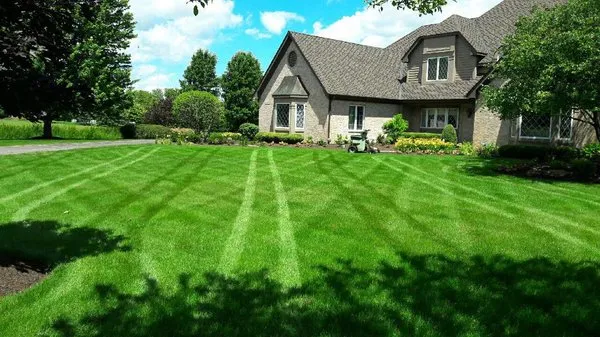
Weiss Lawn Care has been serving Carol Stream, IL since 1994, providing expert pest control and lawn services. As a locally owned business, we specialize in our Signature 7-Step Fertilization and Weed...
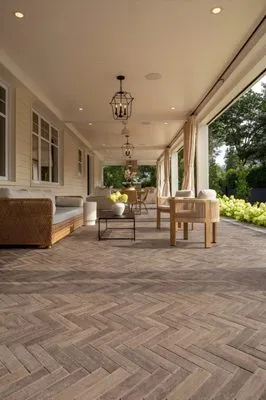
Luxterra Outdoors is a Chicago-based landscape design and build company founded by Carmelo Guevara Jr., a University of Illinois Urbana-Champaign graduate with a degree in Landscape Architecture. Draw...

Anaya's Lawncare & Hardscape is a family-owned business serving Chicago homeowners for over a decade. We specialize in transforming outdoor spaces with comprehensive lawn services, masonry work, and s...
Estimated Landscaping Service Costs in Burbank, IL
Q&A
How can I maintain healthy turf while following Burbank's water conservation guidelines?
Wi-Fi ET-based weather sensing irrigation automatically adjusts watering schedules using real-time evapotranspiration data from local weather stations. This system reduces Kentucky Bluegrass/Tall Fescue water use by 25-40% compared to traditional timers while maintaining 85% turf health. During Stage 1 voluntary conservation, we program zones for deep, infrequent watering (0.5-0.75 inches weekly) that encourages deeper root growth and better drought tolerance.
How quickly can you respond to emergency storm damage cleanup for HOA compliance?
Our electric maintenance fleet can dispatch from Burbank Park District via I-294 within 20-30 minutes during peak hours. This routing avoids residential congestion while meeting the 8:00 AM to 8:00 PM noise ordinance window. We prioritize safety assessments first, then debris removal using electric chippers and haulers that operate below 65 decibels, ensuring immediate HOA compliance without violating local sound restrictions.
What permits and licenses are needed for regrading my 0.16-acre lot?
Grading that alters water flow patterns requires a permit from the Burbank Building & Zoning Department, with engineered plans showing pre- and post-grade elevations. Contractors must hold Illinois Department of Financial and Professional Regulation licensing for landscape construction, as 0.16-acre projects typically involve moving 10-20 cubic yards of material. Unlicensed grading can create drainage violations affecting neighboring properties, resulting in fines and mandatory restoration orders.
Why does my Central Burbank yard have such compacted soil that struggles to absorb water?
Your 1964-built property has 62-year-old soil that has experienced decades of compaction from foot traffic, mowing equipment, and minimal organic matter input. Central Burbank's silty clay loam naturally compacts over time, reducing pore space and permeability to below 0.5 inches per hour. Core aeration every 1-2 years combined with 0.25 inches of compost topdressing can rebuild soil structure by increasing microbial activity and water infiltration rates.
What low-maintenance alternatives exist for reducing lawn care costs and noise?
Replacing 30-50% of traditional turf with native plantings like Purple Coneflower, Little Bluestem, Swamp Milkweed, and Wild Bergamot reduces mowing frequency by 60% and eliminates gas-blower use. These deep-rooted natives require no fertilization, attract pollinators, and survive on natural rainfall once established. This transition prepares properties for potential gas equipment phase-outs while creating habitat corridors that support 2026 biodiversity targets.
How should I handle invasive species without violating local fertilizer regulations?
For common Illinois invasives like garlic mustard or buckthorn, manual removal before seed set combined with spot-applied organic herbicides avoids phosphorus fertilizer restrictions. We conduct soil testing first to document any legitimate deficiencies, as Burbank's ordinance allows phosphorus only with demonstrated need. Treatment timing focuses on early spring or late fall outside of blackout dates, using cultural controls like dense native plantings to prevent reinfestation.
Are concrete pavers or clay bricks better for longevity in our climate?
Both materials outperform wood in Zone 5b, with concrete pavers lasting 25+ years and clay bricks 50+ years with proper installation. Clay bricks offer superior freeze-thaw resistance due to their natural composition, while concrete pavers provide more design flexibility. For Burbank's low fire-wise rating, both create defensible space when installed with non-combustible bases and maintained clear of vegetation, though spacing considerations differ slightly between materials.
What solutions exist for yards that flood due to Burbank's high water table?
Silty clay loam's poor infiltration (typically 0.1-0.3 inches/hour) combined with seasonal high water tables requires engineered drainage solutions. We install French drains with clean gravel and perforated pipe at 18-24 inch depths, directing water away from foundations. Permeable concrete pavers or clay brick installations with 40% void spaces can meet Burbank Building & Zoning Department runoff standards while providing stable surfaces that don't contribute to localized flooding.
