Top Landscaping Services in Bristol, IL, 60512 | Compare & Call
There are 164 landscaping companies server in Bristol IL

Hanson Landscape is a family-owned professional landscaping service based in Big Rock, IL, with 16 years of experience specializing in residential and commercial landscape maintenance, design, and con...
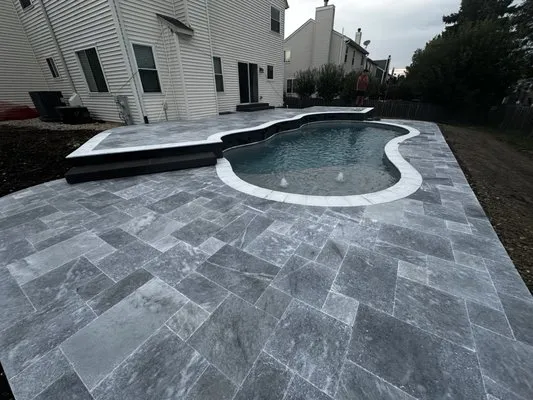
All Property Services
All Property Services has been a trusted provider of outdoor living solutions in Yorkville, IL, for over 20 years. We specialize in creating personalized environments, from inground fiberglass pools a...
Chem-Wise Turf Management is a dedicated Aurora division of the established Chem-Wise Pest Control. Led by manager Derek (DJ), who brings over 19 years of combined pest and turf experience, our team f...
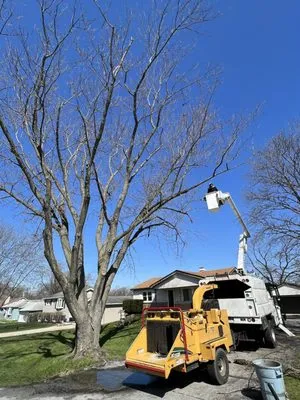
For over a decade, P&M Tree Service has been a trusted, registered, and insured provider serving West Chicago and the surrounding area. Our team brings a combined 35+ years of hands-on experience to e...
Based in Leland, IL, Garcia's Lawn Mowing is your trusted local partner for comprehensive outdoor property care. We specialize in transforming and maintaining landscapes through expert gardening, land...
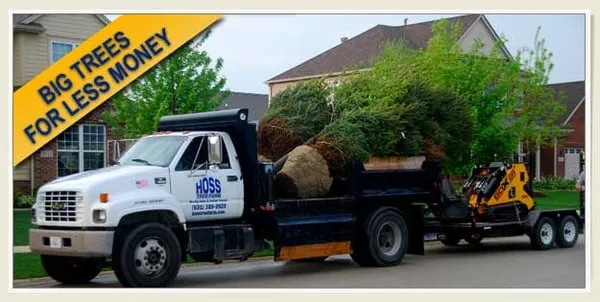
Hoss Tree Farm is a family-owned business deeply rooted in the Batavia community. Since 1999, we've been dedicated to serving the tree and landscaping needs of Northern Illinois. Our journey began as ...

Classic Landscape is a full-service landscaping company serving West Chicago, IL, specializing in both construction and maintenance to enhance outdoor spaces. We address common local issues like bare ...
J & A Quality Lawncare & Landscape
J & A Quality Lawncare & Landscape is a family-owned and operated business serving Plano and the surrounding area. Our crew is built on a foundation of experience, with every team member bringing over...

Angeles Tree Services Inc. is a family-owned and operated landscaping and tree service company serving Aurora, IL and the surrounding areas for over 15 years. We specialize in comprehensive tree care,...

S-N-G Design, Inc is a Maple Park-based general contracting and landscaping company with over 11 years of experience serving the Chicago area and Far Western Suburbs. Led by John, whose expertise is d...
Estimated Landscaping Service Costs in Bristol, IL
Q&A
We want to reduce weekly mowing and gas-powered maintenance. What native plants would thrive while supporting local biodiversity?
Replace high-maintenance turf areas with Purple Coneflower, Little Bluestem, Swamp Milkweed, and Wild Bergamot—all native to Bristol's USDA Zone 5b. These species require no fertilization, minimal watering once established, and provide critical habitat for pollinators throughout their extended bloom periods. Transitioning to electric maintenance equipment aligns with evolving noise ordinances while eliminating emissions. A phased conversion approach allows soil microbiome adjustment and provides continuous bloom sequences from early summer through fall.
We've spotted creeping Charlie and garlic mustard invading our landscape. How should we treat these without violating local fertilizer regulations?
Creeping Charlie and garlic mustard are aggressive invasives that outcompete native vegetation in Bristol's soil conditions. Manual removal before seed set is most effective for small infestations—ensure complete root extraction. For larger areas, spot-treat with glyphosate-based herbicides during active growth periods, avoiding the Illinois Lawn Care Products Application and Notice Act blackout dates typically in early spring and late fall. Always apply during calm weather to prevent drift, and consider soil solarization with clear plastic for severe perennial weed problems in sunny locations.
We need emergency tree cleanup after last night's storm to meet HOA compliance deadlines. How quickly can a crew arrive from the Bristol-Kendall Fire Station area?
Our dispatch from the Bristol-Kendall Fire Station vicinity typically reaches Bristol Village properties within 25-35 minutes during peak response conditions. Crews travel north on IL-47, which provides the most direct route while avoiding residential congestion. We maintain electric chainsaws and battery-powered equipment that operate quietly within the 7 AM to 9 PM noise ordinance window. Emergency response protocols prioritize safety assessments before beginning debris removal operations.
With Bristol's Stage 1 voluntary water conservation in effect, how can we maintain our Kentucky Bluegrass and Tall Fescue blend without exceeding municipal limits?
Wi-Fi ET-based weather sensing controllers optimize irrigation by calculating evapotranspiration rates specific to your microclimate. These systems automatically adjust watering schedules based on real-time weather data, typically reducing water use by 20-30% compared to traditional timers. For your turf blend, program deep, infrequent watering cycles that encourage deeper root growth and drought tolerance. During peak summer months, consider allowing the lawn to enter dormancy rather than attempting to maintain lush green growth under conservation conditions.
Seasonal ponding occurs in our low-lying backyard after heavy rains. What solutions work best with Bristol's Drummer Silty Clay Loam soil?
Drummer Silty Clay Loam has slow permeability, making French drains with clean gravel and perforated pipe the most effective solution for Bristol's seasonal ponding issues. Install these systems 18-24 inches below grade with a minimum 1% slope toward daylight or dry wells. For hardscape areas, specify permeable concrete pavers with crushed limestone joints instead of traditional concrete to increase surface infiltration. The Kendall County Planning, Building and Zoning Department requires drainage plans that manage the first 1.5 inches of rainfall on-site for all new installations.
We're considering a new patio and want materials that last in Bristol's climate while meeting fire safety standards. How do concrete pavers compare to wood options?
Concrete pavers offer superior longevity in Bristol's freeze-thaw cycles, typically lasting 25+ years versus wood's 10-15 year lifespan with maintenance. Their non-combustible nature supports the Low Fire Wise Rating by creating defensible space around structures—maintain at least 5 feet of hardscape or well-irrigated vegetation adjacent to buildings. Crushed limestone joints between pavers provide permeability that meets runoff management requirements. For sloped properties, interlocking paver systems with geotextile underlayment prevent erosion while maintaining aesthetic appeal.
Our Bristol Village yard has heavy clay soil that stays wet for days after rain. Is this typical for homes built around 1996, and what can we do about it?
Yes, this is characteristic of Drummer Silty Clay Loam soil common throughout Bristol Village. Homes constructed around 1996 have approximately 30 years of soil development, during which compaction from construction equipment and routine maintenance has reduced permeability. The soil's natural pH range of 6.5-7.2 supports plant growth but requires annual core aeration to improve oxygen exchange. Incorporating 2-3 inches of composted organic matter each fall will gradually build soil structure and increase water infiltration rates.
We want to regrade our 0.35-acre lot to improve drainage. What permits and professional requirements should we know about before starting?
Grading work on a 0.35-acre lot in Bristol requires a permit from the Kendall County Planning, Building and Zoning Department, with engineered plans showing existing and proposed contours. The Illinois Department of Financial and Professional Regulation mandates that contractors performing earth moving exceeding 100 cubic yards hold specific licensing for excavation work. Professional landscape architects or engineers must certify drainage plans that alter water flow patterns to adjacent properties. Always verify contractor credentials through IDFPR's online verification system before signing agreements for significant grading projects.
