Top Landscaping Services in Bradley, IL, 60901 | Compare & Call

Quick Cuts Lawn Care is a locally owned and operated lawn service business that has been serving Bradley, IL, and the surrounding communities since 2010. We specialize in comprehensive lawn care for b...
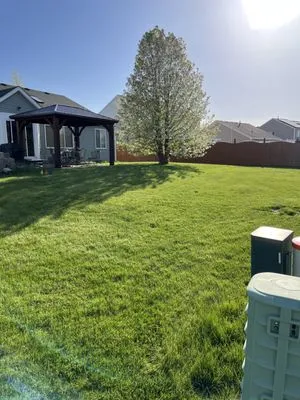
AC/DC Lawn Service is a trusted local lawn care provider serving Bradley, IL, and surrounding areas. We specialize in comprehensive lawn maintenance to address common local landscaping challenges like...
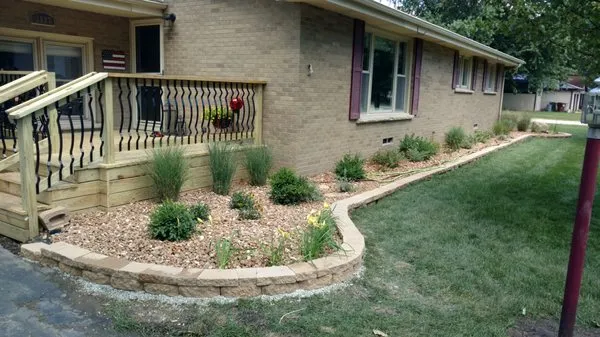
Sharp Cuts Lawn Care is a locally-owned landscaping business serving Bradley, Kankakee, and Bourbonnais since 2008. Founded by owner Lee, the company started small while he balanced another job, but h...

Sullivan's Landscaping, LLC. in Bradley, IL, is a locally owned and operated landscaping company serving Bradley, Bourbonnais, Kankakee, Watseka, Manteno, Frankfort, and surrounding communities. We pr...
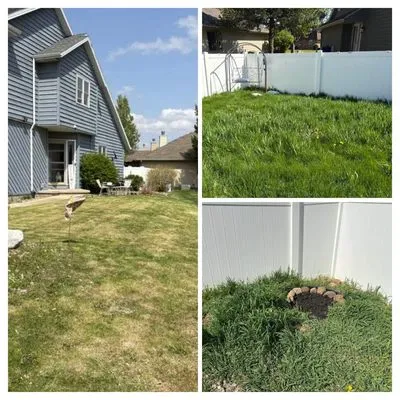
Keith's Lawn Care is a trusted, full-service landscaping company serving Bradley, IL, and the surrounding areas. We specialize in comprehensive lawn care, tree care services, and gutter maintenance to...
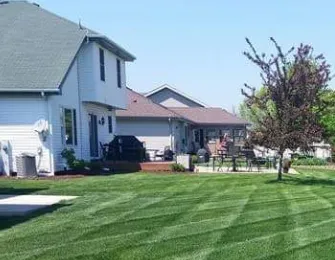
Dufrain Lawn Care is a family-owned and operated lawn service business based in Bradley, IL, proudly serving Kankakee County since 2007. We specialize in comprehensive lawn care solutions, including l...

A Better Cut Lawn Care is a family-owned and operated lawn care business based in Bradley, IL, serving the Kankakee area and surrounding regions. Specializing in both lawn services and snow removal, t...
Quality Lawn & Landscaping is a Bradley-based landscaping company with over 13 years of experience serving Kankakee and Southern Will Counties. We specialize in comprehensive shrub care including plan...
Lehnigs Odd Jobs is your trusted local handyman and landscaping service in Bradley, IL. We help homeowners tackle the everyday wear-and-tear that comes with maintaining a property, from appliance repa...
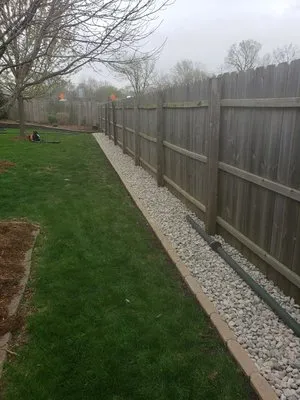
Kevin's Lawn Care is a trusted, full-service landscaping company serving Bradley, IL, and the surrounding areas. We specialize in comprehensive lawn care, snow removal, and expert tree services includ...
Q&A
Our yard stays soggy long after rain. What's a lasting fix for poor drainage on our lot?
A high seasonal water table and poor infiltration are common with silty clay loam soils. The solution involves improving site permeability. Installing a French drain system to intercept groundwater is one component. For new hardscapes, specifying permeable concrete pavers or an open-graded crushed limestone base can meet Bradley Building & Zoning Department runoff standards by allowing water to percolate into the subsoil rather than sheeting off.
How can I keep my Kentucky Bluegrass lawn healthy during Bradley's voluntary water conservation stage?
Wi-Fi ET-based irrigation controllers are the definitive solution for Stage 1 conservation. These systems automatically adjust watering schedules based on real-time evapotranspiration data, precipitation, and wind. This precision applies water only when the Tall Fescue blend actually needs it, eliminating waste. The technology maintains turf health within municipal water limits by deeply watering less frequently, which also encourages deeper root growth.
Our lawn in Bradley Heights is over 50 years old and seems compacted. What's the underlying cause?
Properties developed in the early 1970s, like yours, have soils with over 50 years of maturation. The original Mollisols, a silty clay loam, were graded and compacted during construction. Decades of routine mowing and foot traffic have further reduced soil permeability. Core aeration and the addition of compost are critical to reintroduce pore space and organic matter, countering the natural densification of this fertile but dense soil type.
What permits and contractor qualifications are needed for regrading our 0.22-acre property?
Significant regrading that alters water flow or involves retaining walls over 4 feet typically requires a permit from the Bradley Building & Zoning Department. For the work itself, ensure your contractor holds appropriate licensing through the Illinois Department of Financial and Professional Regulation. This is crucial for a 0.22-acre lot where improper grading can create drainage liabilities for your and neighboring properties, making professional expertise a legal and practical necessity.
Are concrete pavers a better long-term choice than wood for a new patio?
For longevity and low maintenance in Zone 5b, concrete pavers are superior to wood. They are not susceptible to rot, insect damage, or the freeze-thaw cracking of monolithic concrete. Their modular design allows for flexibility and repair. While Bradley has a low Fire Wise rating, the non-combustible nature of pavers also contributes to defensible space, a consideration for any material selection in a changing climate.
What invasive species should I watch for, and how do I treat them without harming my lawn?
Proactive scouting for invasive species like creeping Charlie, Japanese knotweed, or garlic mustard is essential. Treatment must be precise; broad-spectrum herbicides can damage desirable plants and soil biology. For any treatment, a soil test is the first step to ensure compliance with the Illinois Phosphorus Fertilizer Act, which prohibits phosphorus application unless a deficiency is confirmed. This prevents nutrient runoff into local watersheds.
If a storm damages trees, how quickly can a crew arrive for emergency cleanup in Bradley Heights?
For an emergency cleanup, a crew can typically be dispatched within 30 minutes during peak hours. The route from our central staging near Lil' Beaver Park utilizes I-57 for rapid north-south access to the Bradley Heights neighborhood. This logistics plan is designed to meet a 20-30 minute storm response window, ensuring timely mitigation of hazards like blocked driveways or compromised structures.
I want to reduce mowing and gas equipment noise. What are my options?
Transitioning turf areas to a native plant community is a forward-looking strategy. Species like Purple Coneflower, Butterfly Milkweed, and Little Bluestem require no weekly mowing, minimal water once established, and support local pollinators. This xeriscaping approach reduces reliance on gas-powered blowers and mowers, aligning with evolving municipal noise ordinances focused on electric maintenance fleets and quieter neighborhoods.
