Top Landscaping Services in Boone, IL, 60033 | Compare & Call
There are 187 landscaping companies server in Boone IL
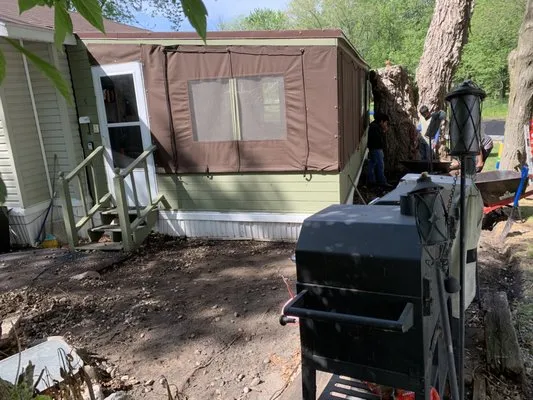
Rojas Lawncare is a licensed landscaping company serving Harvard, IL, with over 20 years of experience. We specialize in comprehensive landscaping services including lawn maintenance, paver patios, ou...
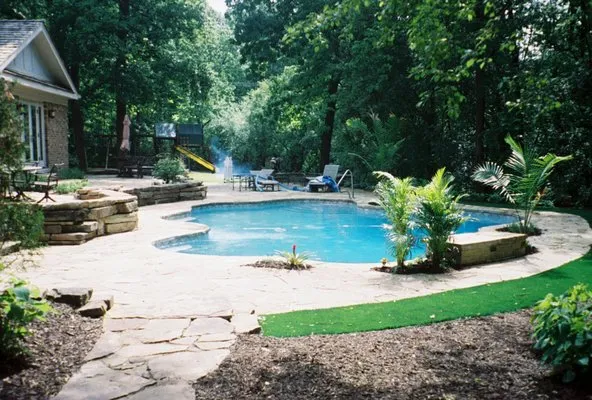
Agman, based in Marengo, IL, is a landscaping company with deep roots in the community, specializing in comprehensive outdoor solutions. Founded in 2005 by Matthew Hoppe, who brings over 20 years of e...

Sanchez Landscape Recreations is a trusted, locally-owned landscaping company serving Harvard, McHenry County, and the surrounding areas since 2012. We specialize in creating and maintaining beautiful...
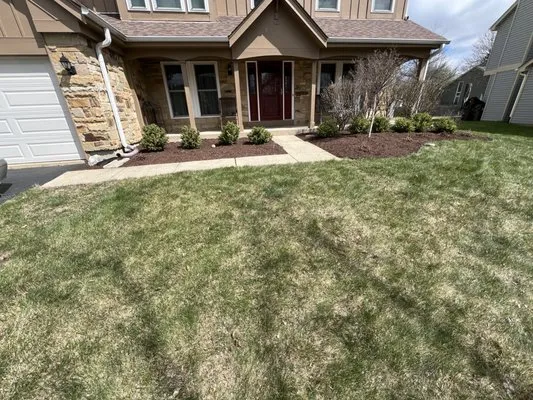
Rodriguez Sealcoating and Landscaping is a trusted, full-service contractor serving Marengo, IL, and the surrounding areas. Specializing in masonry/concrete, landscaping, and tree services, we help ho...
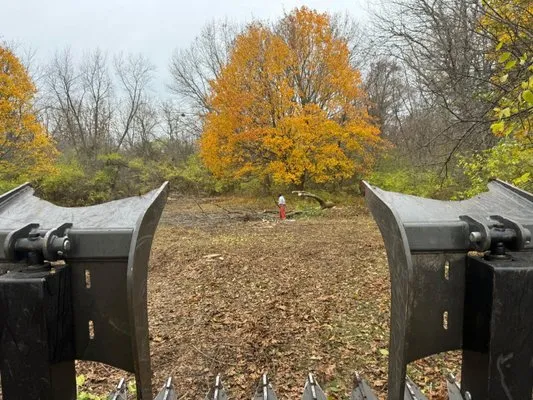
For over 20 years, JRZ Landscaping has been a trusted name in Harvard, IL, and the surrounding 75-mile area. Our team provides a full spectrum of landscaping and masonry services, from essential weekl...
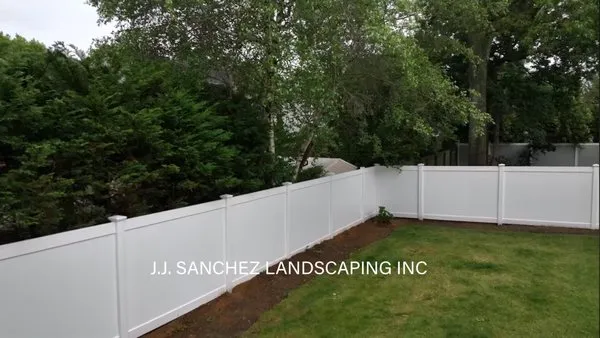
J.J. Sanchez Landscape is a Harvard, IL-based landscaping company serving McHenry County and surrounding areas. We specialize in comprehensive outdoor services including deck construction and repair, ...
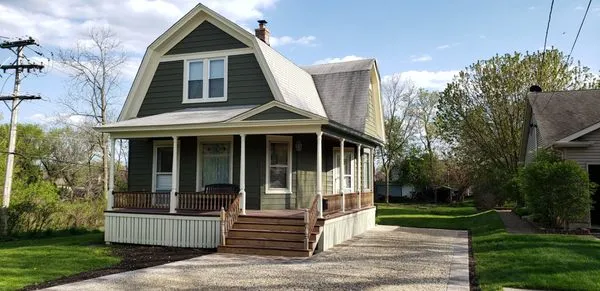
Timbergreen
Timbergreen is a Harvard, IL-based landscaping company specializing in comprehensive outdoor solutions for residential and commercial properties. Serving the Harvard community, we offer expert service...
Nico's Landscaping is a trusted local lawn care and landscape design company serving Belvidere, IL. We specialize in creating beautiful, functional outdoor spaces through custom landscape design and r...

Executive Lawn Services & Sealcoating
Executive Lawn Services & Sealcoating is a trusted local provider serving Rockton, IL, and the wider Stateline Area. We specialize in comprehensive lawn care, landscape design, and seasonal maintenanc...
Rosales Landscaping
Rosales Landscaping is a trusted local landscaping and design company serving Poplar Grove, IL, and the surrounding areas. We specialize in professional landscape design that transforms outdoor spaces...
Estimated Landscaping Service Costs in Boone, IL
FAQs
How can I reduce maintenance while supporting local ecology?
Replacing high-water turf areas with native plants like Purple Coneflower, Little Bluestem, Butterfly Milkweed, and Wild Bergamot creates resilient landscapes. These species require minimal irrigation once established and provide habitat for pollinators. Transitioning to electric maintenance equipment aligns with evolving noise ordinances restricting gas-powered blowers. Native plantings also reduce mowing frequency from weekly to seasonal maintenance.
Can I maintain healthy turf under Boone's water restrictions?
Stage 1 voluntary conservation allows efficient irrigation when using smart Wi-Fi ET-based weather sensing technology. These systems calculate evapotranspiration rates to deliver precise water amounts only when needed. For Kentucky Bluegrass and Tall Fescue blends, this typically means 1-1.5 inches weekly during peak summer, adjusted for actual weather conditions. Proper scheduling prevents overwatering while maintaining turf health within municipal guidelines.
What permits and licenses are needed for landscape projects?
Grading or drainage work on 0.25-acre lots typically requires permits from the Boone County Planning and Zoning Department. Contractors must hold appropriate licensing through the Illinois Department of Financial and Professional Regulation, particularly for irrigation system installation or structural changes. Professional licensing ensures compliance with local ordinances regarding runoff management and protects homeowners from liability issues related to improper installation.
Why does my Boone Central lawn struggle despite regular care?
Boone Central properties built around 1977 have soil that has matured for nearly 50 years. Mollisols silt loam in this area tends to compact over decades, reducing permeability and root penetration. Core aeration every 1-2 years is essential to break up thatch layers and improve water infiltration. Adding organic amendments like compost can restore soil structure without altering the natural pH range of 6.8-7.2.
Are concrete pavers better than wood for outdoor spaces?
Concrete pavers offer superior longevity with 25+ year lifespans versus wood's 10-15 years with maintenance. Their non-combustible nature supports Boone's Low Fire Wise rating by creating defensible space around structures. Proper installation with polymeric sand joints prevents weed growth while allowing some water permeability. Unlike wood, pavers don't require chemical treatments that could leach into soil or waterways.
How quickly can you respond to storm damage for HOA compliance?
Emergency cleanup crews dispatch from the Boone County Fairgrounds area via US Route 20. During peak conditions, arrival at Boone Central properties typically takes 25-35 minutes. We coordinate with local authorities to ensure debris removal meets community standards while adhering to noise ordinance hours of 7:00 AM to 9:00 PM. Electric equipment minimizes decibel output during restricted periods.
What invasive species should Boone property owners watch for?
Japanese knotweed and garlic mustard pose significant threats in USDA Zone 5b. Manual removal before seed set is most effective, though targeted herbicide applications may be necessary for established infestations. All treatments must comply with Boone's fertilizer ordinance prohibiting phosphorus on established lawns. Timing interventions outside of spring blackout dates ensures regulatory compliance while protecting water quality.
What solutions exist for yards that stay wet after rains?
Seasonal high water tables and poor infiltration in clay subsoils are common in Boone's Mollisols. Installing French drains or dry wells can redirect subsurface water away from foundations. Using permeable concrete pavers for patios and walkways reduces surface runoff while meeting Boone County Planning and Zoning Department standards. Grading adjustments should create a minimum 2% slope away from structures to prevent pooling.
