Top Landscaping Services in Bonnie Brae, IL, 60441 | Compare & Call

There are 198 landscaping companies server in Bonnie Brae IL
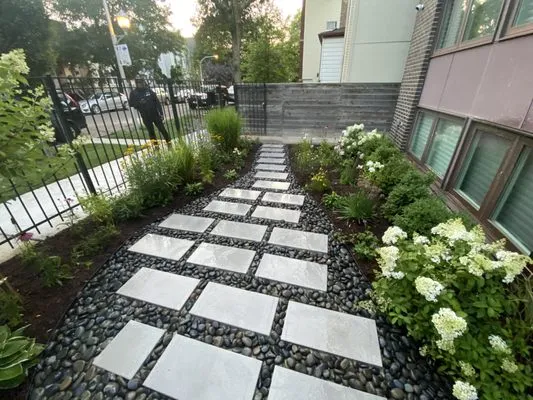
Dante's Native Landscape Services is a full-service landscaping and hardscaping company serving the greater Chicago area. We specialize in native landscaping, using plants naturally adapted to the Mid...
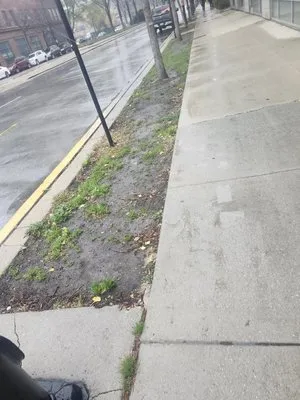
Rafael Landscaping is a full-service landscaping company serving Chicago and the surrounding areas. Owned and operated by Rafael, the business is built on providing reliable, quality work at a fair pr...
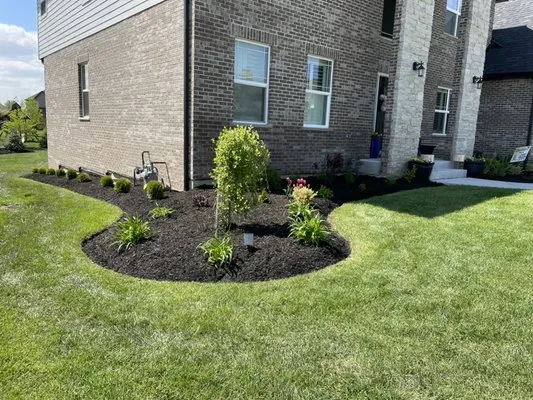
Dirty Deed's Lawn & Landscaping, LLC was founded in Joliet in 2015 by Adam Nichols, a University of Illinois Champaign-Urbana Landscape Architecture graduate. With over 10 years of industry experience...
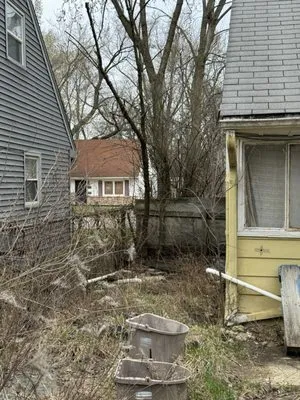
Based in Heights, IL, Juan's Landscaping & Junk Removal is your local solution for transforming outdoor spaces and clearing unwanted items. The team combines landscaping expertise with reliable haulin...
Cande Native Landscape is a Burbank-based lawn and snow removal service with over 25 years of experience specializing in native landscapes. We focus on sustainable practices like using native plants t...
Sergio E Landscaping is a Chicago-based landscape architecture and design firm offering comprehensive services for residential and commercial properties throughout the city. Specializing in both creat...
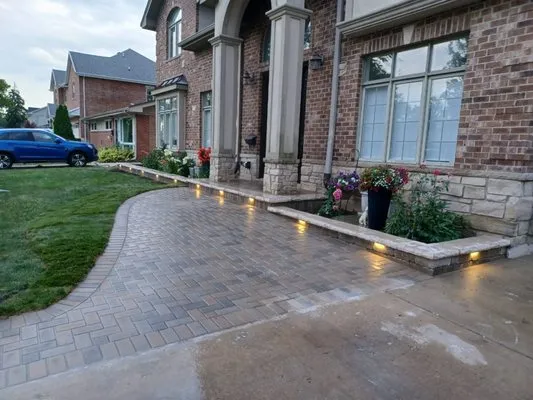
Unikstone Hardscape is a Chicago-based, full-service landscaping and masonry contractor dedicated to transforming outdoor spaces with skill and precision. We specialize in creating durable, beautiful ...
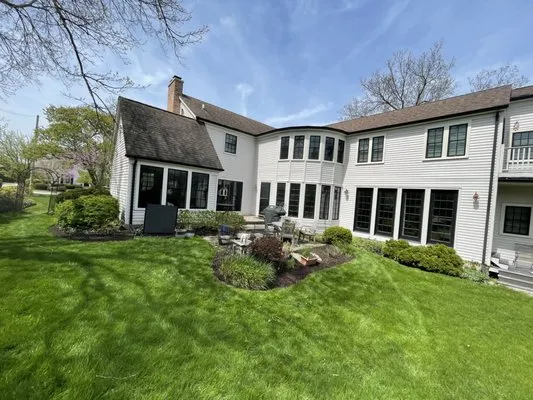
Apollos Tree Service & Landscaping is a Chicago-based company dedicated to enhancing outdoor spaces through professional tree and landscape care. We specialize in comprehensive services including tree...
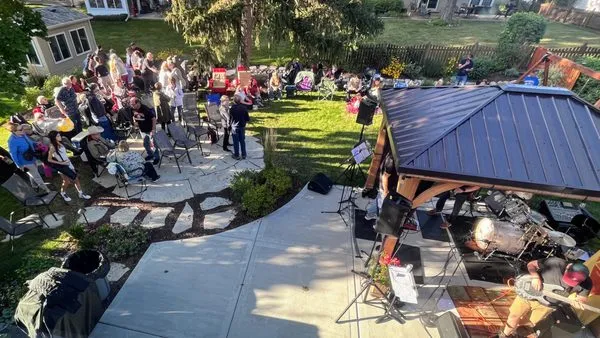
Grant & Power Landscaping
Grant & Power Landscaping has been a trusted name in West Chicago, IL since 1978, specializing in comprehensive landscape solutions for both residential and commercial properties. With a team of over ...
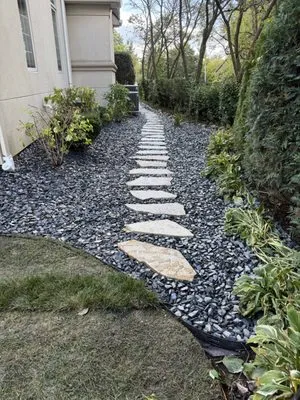
Renovatio Landscape & Design
Renovatio Landscape & Design began as a simple landscape maintenance business founded in Naperville, IL, when its owner was just twelve years old. Over 29 years, it has grown into a locally recognized...
Estimated Landscaping Service Costs in Bonnie Brae, IL
Q&A
Are clay pavers and crushed limestone a better choice than wood for a new patio?
For longevity and low maintenance in Bonnie Brae's climate, inorganic materials like clay pavers and crushed limestone are superior to wood. They resist decay, do not require chemical treatments, and their permeability supports soil health. In a Low Fire Wise rating area, these non-combustible materials also contribute to defensible space by not providing fuel, enhancing overall property resilience.
Why does my Bonnie Brae Estates lawn struggle to drain, even with regular care?
Homes in Bonnie Brae Estates, built around 1958, have soils that have been compacted by decades of standard maintenance, aging nearly 70 years. The predominant Silt Loam naturally has poor permeability, and without a consistent history of organic amendments, its structure has degraded. To restore infiltration, core aeration and the incorporation of compost are necessary to rebuild soil aggregates and mitigate the seasonal saturation common in these lots.
Why is proper licensing so important for regrading or installing a drainage system on my property?
Grading work on a 0.35-acre lot can significantly alter water flow, impacting neighboring properties and municipal systems. The DuPage County Planning & Zoning Department often requires permits for such alterations. Hiring a professional licensed by the Illinois Department of Financial and Professional Regulation ensures the work meets engineering standards, adheres to code, and carries necessary insurance, protecting your investment and community.
My yard turns into a soggy mess every spring. What's a long-term fix?
Seasonal saturation in Silt Loam is a common drainage hazard requiring solutions that address poor infiltration. Installing permeable hardscapes, like crushed limestone pathways or clay paver patios with open joints, allows water to percolate into the subsoil. These systems often meet DuPage County Planning & Zoning Department runoff standards by managing water on-site and reducing the burden on municipal storm drains.
How quickly can a crew respond for an urgent HOA compliance or storm debris cleanup?
For an emergency cleanup, our dispatch from the Bonnie Brae Forest Preserve area uses I-88 for the most efficient routing into the neighborhood. Accounting for typical traffic patterns, a dedicated crew can be on-site within the 35-50 minute window, even during peak periods. This ensures timely resolution for critical issues like post-storm safety hazards or violation notices.
With Stage 1 water conservation in effect, how do I keep my Kentucky Bluegrass blend healthy?
Smart Wi-Fi ET-based controllers are essential for compliance and turf health. These systems apply water only when needed by using real-time evapotranspiration data from local weather stations. This precision prevents overwatering, keeps your Tall Fescue and Bluegrass blend resilient during dry spells, and ensures your irrigation stays within voluntary municipal conservation targets without sacrificing plant vitality.
I'm tired of weekly mowing and noisy gas blowers. Are there quieter, lower-maintenance options?
Transitioning to a landscape anchored by native plants like Purple Coneflower, Little Bluestem, and Butterfly Milkweed significantly reduces maintenance. These deep-rooted species require no mowing, minimal watering, and support local biodiversity. This shift aligns with evolving noise ordinances restricting gas equipment and prepares your property for a quieter, electric-maintenance future.
What invasive species should I watch for, and how do I treat them safely?
In our USDA Zone 5b, watch for aggressive invaders like Garlic Mustard or Buckthorn, which outcompete natives. Safe treatment involves mechanical removal or targeted, EPA-approved herbicides applied by a licensed professional. Crucially, any supplemental fertilizing must use phosphorus-free products unless a soil test confirms a deficiency, in full compliance with local ordinance to protect watershed health.
