Top Landscaping Services in Bloomington City, IL, 61701 | Compare & Call
There are 172 landscaping companies server in Bloomington City IL

Clean Cut Trees is a trusted, locally-owned tree and lawn service provider serving Topeka, IL, and the surrounding communities. We specialize in comprehensive tree care, including pruning, removal, di...
Hometown Handyman is your trusted local expert in Galesburg, IL, specializing in comprehensive outdoor maintenance solutions. We understand that Galesburg homeowners frequently face frustrating landsc...

Josh, Co-Owner and General Manager of Weed Man in Bloomington, IL, brings a deep understanding of lawn and pest management to the community. A graduate of Illinois State University with a degree in Ag...
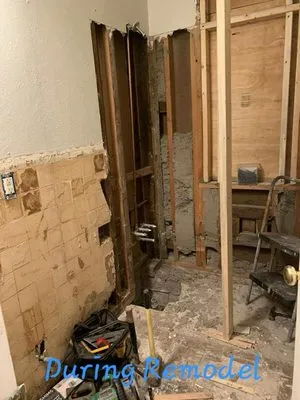
Best-Way Construction & Lawncare is a trusted local contractor serving Middletown, IL, specializing in construction, remodeling, and lawn services. With expertise in everything from appliance installa...
TLC Lawn Care is a locally owned and operated lawn and tree service company serving Normal, IL. With over 7 years of hands-on experience working for a long-established local owner and now running the ...
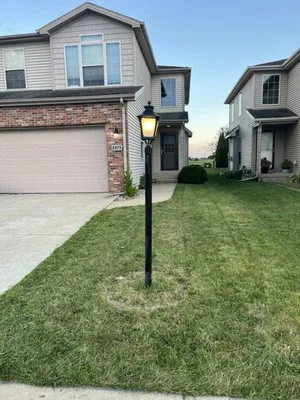
Fast Lane Lawn Care is a dedicated lawn service provider serving Bloomington, IL, specializing in comprehensive lawn care solutions tailored to the unique needs of local homeowners. We understand that...
Wherry Lawn Care is a locally owned and operated lawn service business in Gridley, IL, dedicated to helping residents achieve and maintain beautiful, healthy lawns. Founded and run by owner/operator A...
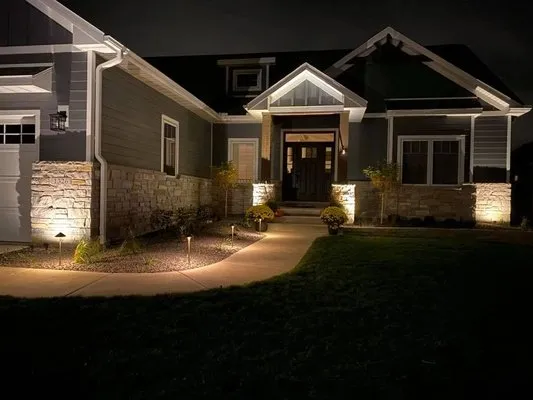
Founded in 2019 by Kyle Barrow, Barrow Landscapes brings deep-rooted expertise to Central Illinois. Kyle's journey began mowing lawns in Washington and grew through formal education in Landscape Manag...
Crown To Stump is a Bloomington-based landscaping and tree service company dedicated to keeping local properties safe and beautiful. We specialize in comprehensive tree care, from routine maintenance ...
Corescapes
Corescapes is a Bloomington, IL-based landscaping company specializing in snow removal, patio coverings, and comprehensive yard care. We understand the common local challenges like persistent mulch be...
Estimated Landscaping Service Costs in Bloomington City, IL
Frequently Asked Questions
Are concrete pavers better than wood for patio materials?
Concrete pavers and crushed limestone aggregate offer superior longevity to wood, with 25-30 year lifespans versus wood's 10-15 years in Bloomington's freeze-thaw cycles. These materials maintain structural integrity without seasonal warping or insect damage. In urban residential areas with Low Fire Wise ratings, non-combustible hardscapes provide defensible space by creating firebreaks, though Bloomington's density makes catastrophic fire spread unlikely. Properly installed permeable systems also manage stormwater more effectively than solid wood decks.
How do I maintain my Kentucky Bluegrass and Tall Fescue blend during dry periods?
Smart Wi-Fi soil moisture sensor controllers optimize irrigation by tracking evapotranspiration rates and soil conditions in real-time. These systems automatically adjust watering schedules to deliver 1-1.5 inches per week during active growth periods, preserving turf health while staying within voluntary conservation guidelines. Properly calibrated sensors prevent overwatering in Drummer Silty Clay Loam, which retains moisture longer than sandy soils, reducing municipal water usage by 30-40% compared to traditional timer-based systems.
How quickly can you respond to an emergency tree cleanup after a storm?
Our electric maintenance fleet can dispatch from Miller Park Zoo via I-55 to reach Highland Park within 20-30 minutes during peak storm conditions. This rapid response time accommodates both emergency cleanup needs and HOA compliance deadlines. We prioritize safety assessments first, then implement systematic debris removal using electric equipment that operates within Bloomington's 7:00 AM to 9:00 PM noise ordinance restrictions.
What permits and licenses are needed for landscape grading work?
Grading projects on 0.22-acre lots in Bloomington require permits from the Planning and Zoning Division for any elevation changes exceeding 6 inches or affecting drainage patterns. Contractors must hold Illinois Department of Financial and Professional Regulation licensing for earth moving operations. Unlicensed grading can violate municipal codes and create liability for downstream water issues. Professional oversight ensures proper slope calculations and erosion control measures, particularly important in Highland Park's clay-dominant soils where improper grading exacerbates ponding problems.
What solutions work best for seasonal ponding in my clay-heavy soil?
Drummer Silty Clay Loam's high clay content creates slow percolation rates, leading to temporary ponding after heavy rains. Installing French drains with clean gravel and perforated pipe redirects surface water away from foundations. Replacing impermeable surfaces with permeable concrete pavers or crushed limestone aggregate improves groundwater recharge and meets Bloomington Planning and Zoning Division's runoff management standards. These solutions typically reduce standing water duration by 70-80% in Highland Park's typical 0.22-acre lots.
How do I control invasive species without chemical fertilizers?
Common invasive alerts in Bloomington include garlic mustard and Japanese knotweed, which outcompete native vegetation. Manual removal during early growth stages combined with solarization using clear plastic sheeting effectively suppresses regrowth without chemicals. For persistent infestations, targeted spot treatments with vinegar-based herbicides applied during dry periods avoid phosphorus runoff concerns. Always schedule treatments outside of sensitive periods to comply with Illinois' phosphorus ban on non-agricultural turf.
Why does my Highland Park lawn struggle with compaction and poor drainage?
Bloomington City lots in Highland Park, built around 1982, have 44-year-old soil profiles in Drummer Silty Clay Loam. This soil type naturally compacts over decades, reducing permeability and oxygen availability to root zones. Core aeration every 1-2 years is essential to break up compaction layers and improve water infiltration. Adding organic amendments like composted leaf mulch can enhance soil structure and microbial activity, addressing the common seasonal ponding issues in these established neighborhoods.
Should I replace some lawn areas with native plants?
Transitioning high-maintenance turf to Purple Coneflower, Little Bluestem, Butterfly Milkweed, and Wild Bergamot reduces mowing frequency and supports local pollinators. These deep-rooted natives require minimal irrigation once established and thrive in Bloomington's Zone 5b climate. This approach aligns with evolving municipal policies anticipating electric equipment mandates, as native plant beds need only seasonal maintenance rather than weekly mowing with gas-powered equipment.
