Top Landscaping Services in Bloomington, IL, 61701 | Compare & Call

Serenity Creek Design & Landscaping
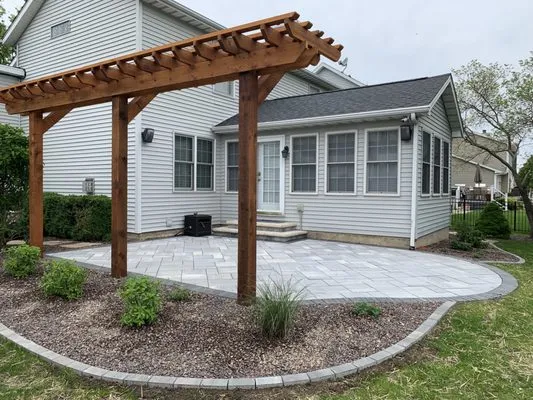
Serenity Creek Design & Landscaping is a locally owned and operated landscape design firm founded in 2008. Based in Bloomington, IL, we specialize in creating beautiful, functional, and sustainable ou...
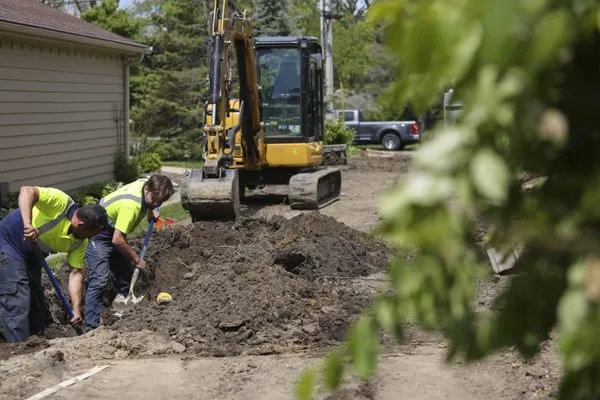
Since 1986, Reinhart Landscaping & Snow has been the trusted partner for commercial properties and select homeowners in Bloomington, IL. We understand that the unique soil and climate of Central Illin...
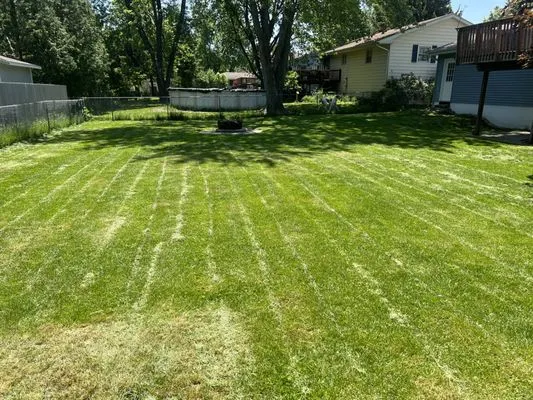
Cal And A Mower is a trusted, locally-owned lawn care service serving Bloomington, IL, and the surrounding communities. We specialize in comprehensive lawn care solutions designed to tackle the most c...
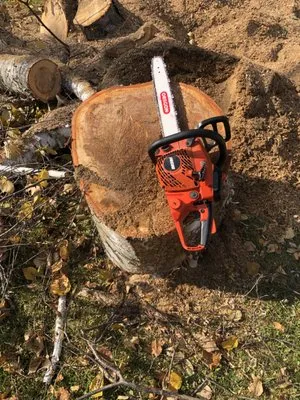
Hello, I'm Colton from Cotton Can Do in Bloomington, IL. I grew up in a small Illinois River town of 150 people, where I learned the value of hard work and family—I'm a father, son, and husband who ch...
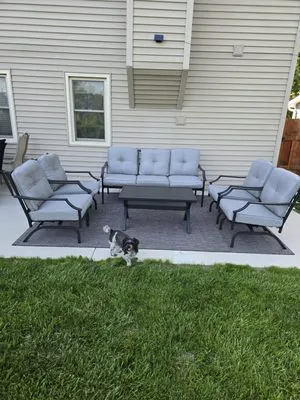
Mayo Concrete Construction LLC is a licensed and insured concrete and landscaping contractor serving Bloomington, IL, and the surrounding area since 2020. We specialize in durable, custom concrete wor...

DJ's Painting & Remodeling
Founded in 1991 by David Juarez, DJ's Painting & Remodeling has grown from a local painting service into a trusted, full-service design and remodeling company serving Bloomington, IL. David started th...

Elite Turf is a locally owned lawn care company serving Bloomington, IL, and surrounding areas within a 100-mile radius. Founded in 2006, we specialize in comprehensive lawn care services, including w...

The Sod Father is a dedicated lawn care service in Bloomington, IL, specializing in tackling the common local problems of bare lawn patches and lawn insect damage. We provide expert lawn care services...

Midstate Land Solutions is a locally owned and operated land management company serving Bloomington-Normal and the surrounding Central Illinois communities. Our team brings deep, practical experience ...
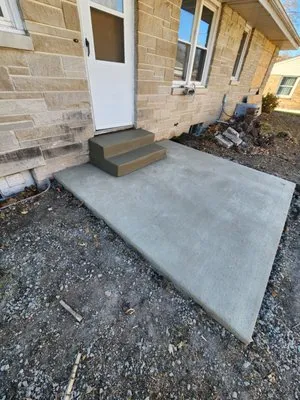
Robert Gilliam, Manager of Revitalized Construction Services, brings 17 years of trade experience and 2 years of independent project management to Bloomington. Founded to address the local housing cri...
Question Answers
Why does my lawn in Highland Park drain so poorly after a rain?
Bloomington's prevalent Drummer Silty Clay Loam soil, common in neighborhoods developed around 1982, has low permeability. On a typical 0.22-acre Highland Park lot, this soil has compacted over 44 years, severely restricting water percolation. This compaction is the primary cause of low-lying saturation. Corrective action requires core aeration and the incorporation of 1-2 inches of organic compost to rebuild soil structure and increase pore space for root growth and drainage.
How do I control invasive weeds without using banned fertilizers?
For invasive species like creeping Charlie, a targeted post-emergent herbicide application in early fall is most effective. The Illinois Phosphorus Fertilizer Act prohibits phosphorus use on established turf, but it does not govern these specific weed controls. The key is proper cultural practice: maintaining dense, healthy turf through core aeration and organic amendments outcompetes weeds. Always apply any control product according to its label and outside of any local blackout dates for application near waterways.
Can I keep my Kentucky Bluegrass healthy under Bloomington's water rules?
Yes, using a smart Wi-Fi ET-based irrigation system is the definitive method. This technology schedules watering based on real-time evapotranspiration data and weather sensing, applying water only when the turfgrass blend needs it. This precision maintains canopy health while conserving water, ensuring compliance even if Stage 0 restrictions tighten. It eliminates the waste of timer-based systems, which overwater during rainy periods common in spring.
How fast can you respond to a storm-damaged tree for HOA compliance?
Our electric fleet allows dispatch during restricted noise ordinance hours starting at 7:00 AM. For an emergency cleanup in Highland Park, a crew would route from our base near Miller Park Zoo via I-55. This logistics plan ensures a reliable arrival within the 20-30 minute peak storm response window, enabling rapid debris management to meet local compliance deadlines.
My patio area floods. What hardscape solution works with our clay soil?
High clay content in Drummer soil creates surface runoff. Replacing solid concrete with permeable concrete pavers or a crushed limestone base creates a permeable surface that allows water infiltration. This meets Bloomington Planning and Zoning Division standards for managing stormwater runoff on-site. For optimal function, this installation must be paired with a subsurface gravel reservoir to temporarily hold water as it slowly percolates into the native subsoil.
Are concrete pavers a better long-term choice than wood for a patio?
For longevity and minimal maintenance in Bloomington's climate, concrete pavers are superior to wood. They are inert, do not rot or warp, and have a lifespan measured in decades. While our urban setting has a low Fire Wise rating, pavers also provide a permanent, non-combustible defensible space directly adjacent to the home. Their modular nature allows for repairs without full replacement, and their thermal mass can mitigate local heat island effects.
Is there a lower-maintenance alternative to my traditional turf lawn?
A native plant community using species like Purple Coneflower, Little Bluestem, and Butterfly Milkweed eliminates weekly mowing and frequent watering. These deep-rooted perennials are adapted to Zone 5b and local soil pH, building soil health and supporting 2026 biodiversity standards. This transition also future-proofs your landscape against evolving noise ordinances that restrict gas-powered blowers and mowers, shifting maintenance to quieter, electric hand tools.
Why is a state license required for regrading my backyard?
Significant grading alters water drainage patterns, impacting neighboring properties. For work on a 0.22-acre lot, the Bloomington Planning and Zoning Division may require a permit to ensure compliance with local codes. The contractor must hold a license from the Illinois Department of Financial and Professional Regulation, which certifies they carry the required insurance and understand state laws governing excavation, soil stability, and environmental runoff. This protects you from liability for improper work that causes erosion or flooding.
