Top Landscaping Services in Big Rock, IL, 60511 | Compare & Call
There are 176 landscaping companies server in Big Rock IL

Your Ecological Solutions (Y.E.S.) is a family-operated landscaping business based in McHenry County, Illinois, specializing in sustainable ecological solutions. Founded with a commitment to environme...
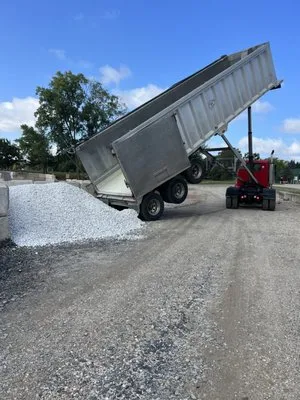
McGill Landscape Center in Ingleside, IL, is a trusted local landscaping business dedicated to helping homeowners maintain beautiful, functional outdoor spaces. Serving the Ingleside community, we spe...
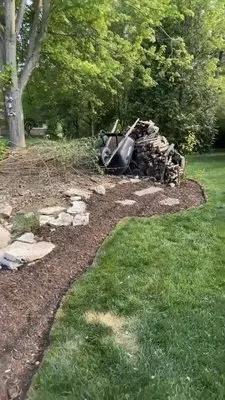
Nate's Quality Lawn Care Services in Algonquin, IL, is a locally owned and operated business founded by Nate, a dedicated 21-year-old entrepreneur with over two years of hands-on experience in the lan...

Weiss Lawn Care has been serving Carol Stream, IL since 1994, providing expert pest control and lawn services. As a locally owned business, we specialize in our Signature 7-Step Fertilization and Weed...
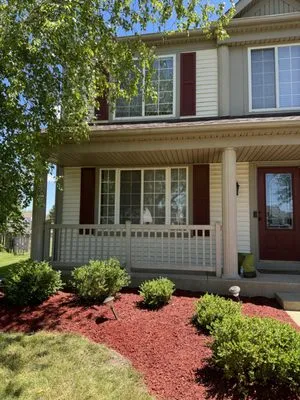
Mystic Lawn Care is a locally owned and operated lawn service in Elgin, IL, founded by Arturo M. With years of experience and a genuine passion for landscaping, we specialize in transforming outdoor s...
Advanced Property Services
Advanced Property Services is a professional property maintenance company serving St. Charles, IL, and the surrounding areas. We specialize in a comprehensive range of exterior services designed to ke...
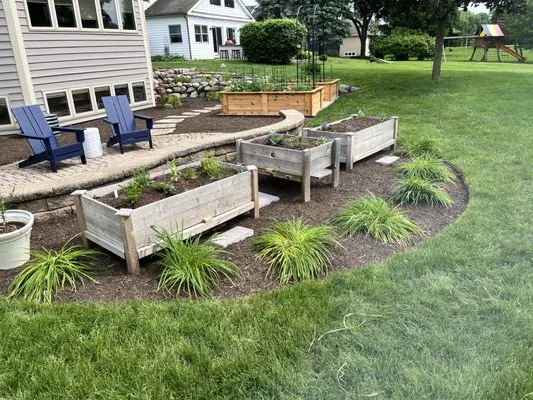
Eco Friendly Landscapes and Gardens in Algonquin, IL, is dedicated to creating and maintaining vibrant outdoor spaces using a completely natural, chemical-free approach. We believe in working with nat...

G&I Landscaping is a trusted local lawn maintenance company serving Bull Valley, IL, and the wider Chicagoland area. We specialize in professional snow removal, lawn care, and pressure washing service...
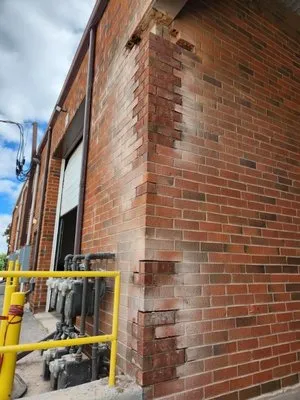
Abarca's Masonry & Landscaping Bros is a family-owned, full-service contractor serving Prospect Heights and the surrounding Northwest Suburbs. We specialize in both hardscape construction and landscap...
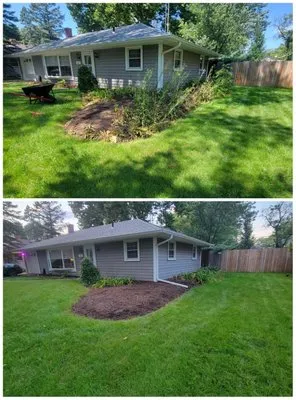
Elm's Landscape & Hardscape is a trusted Montgomery, IL business specializing in comprehensive landscaping and masonry/concrete services. We help local homeowners transform their outdoor spaces with e...
Estimated Landscaping Service Costs in Big Rock, IL
Common Questions
Is there a lower-maintenance, eco-friendly alternative to my traditional grass lawn?
Transitioning high-input turf to a native plant community is a forward-looking strategy. Species like Purple Coneflower, Little Bluestem, Wild Bergamot, and Butterfly Milkweed are adapted to Zone 5b and require no fertilization, minimal watering, and infrequent cutting. This shift reduces reliance on gas-powered mowers and blowers, aligning with evolving noise ordinances, while providing critical habitat and exceeding 2026 biodiversity benchmarks.
What permits or licensed professionals are needed for regrading my yard?
Regrading a 0.35-acre lot often requires a permit from the Kane County Building & Zoning Division to ensure proper stormwater management and adherence to grade planes. The work must be performed by or under the supervision of a professional licensed by the Illinois Department of Financial and Professional Regulation. This ensures the contractor has the expertise in soil mechanics and drainage law necessary to execute the work correctly and avoid liability for downstream erosion or flooding.
What are the most aggressive weeds here, and how do I control them safely?
In Big Rock, watch for invasive species like garlic mustard and creeping Charlie. Manual removal before seed set is most effective. For persistent issues, targeted spot-treatment with a glyphosate alternative in late fall minimizes drift and protects natives. Crucially, any fertilizer application must comply with the Illinois Phosphorus Ban Act, which prohibits phosphorus-containing products unless a soil test confirms a deficiency, preventing nutrient runoff.
Why is the soil in my yard so compacted, and what can I do about it?
Homes in the Big Rock Center area, typically built around 1973, have soil profiles over 50 years old. The native Mollisols silt loam, while fertile, becomes densely compacted over decades from construction and routine maintenance. This reduces soil percolation and oxygen levels. Annual core aeration in early fall, combined with top-dressing compost, rebuilds soil structure by introducing organic matter and alleviating compaction for healthier root systems.
How quickly can you respond to an emergency like a storm-damaged tree?
For urgent situations requiring HOA compliance or safety, our dispatch prioritizes a 45-60 minute peak response. Crews route from our staging at Big Rock Park, taking IL-47 for direct access to neighborhood streets. This timeline accounts for traffic variables while ensuring we mobilize the necessary equipment, including electric-powered saws compliant with municipal quiet hours, for immediate site assessment and mitigation.
My yard stays soggy for days after rain. What's the cause and solution?
Seasonal high water tables and poor infiltration are common in Big Rock's silt loam soils. The solution involves improving permeability. For patios or walkways, specify permeable concrete pavers or an open-graded crushed limestone base to meet Kane County runoff standards. For lawn areas, installing French drains or dry creek beds with clean gravel can intercept and redirect subsurface water, effectively managing the seasonal saturation.
Should I use wood or stone for a new patio or fire pit area?
For longevity and low maintenance in Zone 5b, crushed limestone or concrete pavers outperform wood. These materials resist frost heave, require no sealing, and do not attract pests. From a Firewise perspective, using non-combustible materials like stone for a 10-foot defensible space around structures is a recommended practice, even in low-risk residential zones, enhancing safety and reducing fuel load near your home.
How do I keep my lawn green without wasting water or violating restrictions?
Voluntary conservation in Big Rock makes smart irrigation essential. Installing a Wi-Fi, weather-based controller that uses local evapotranspiration (ET) data prevents overwatering. These systems adjust runtime automatically for your Kentucky Bluegrass or Tall Fescue, applying water only when needed. This method can reduce potable water use by 20-30% compared to traditional timers, maintaining turf health within sustainable municipal limits.
