Top Landscaping Services in Big Mound, IL, 62809 | Compare & Call

There are 10 landscaping companies server in Big Mound IL
BAT Handyman Services is a locally owned and operated business in Woodlawn, IL, specializing in handyman, tiling, and landscaping services. With deep personal insight into the area, we provide practic...
Sentel Lawn is a trusted lawn care and landscape design company serving Benton, IL, and the surrounding area. We specialize in comprehensive lawn care and professional landscape design to help homeown...

Front Lines Mowing Company is a trusted lawn care provider serving Jeffersonville, IL, and surrounding areas. We specialize in comprehensive lawn maintenance, including mowing, trimming, and edging, t...

EPM Lawn Care Dewey Eckleberry is a trusted Fairfield, IL landscaping and handyman service specializing in comprehensive yard care. We help homeowners tackle common local issues like dying shrubs and ...

Liquid Green Lawn Solutions is a locally owned and operated lawn care company serving Fairfield, IL, and surrounding Southern and Central Illinois communities. Founded in 2017 by a dedicated husband a...

B&B Lawn Care & Auto Detail
B&B Lawn Care & Auto Detail is your trusted neighbor in Fairfield, IL, offering essential services for your home and vehicle. We understand that local homeowners face specific landscaping challenges, ...

Legrand Home Services is your trusted local expert in Woodlawn, IL, specializing in pressure washing, gutter services, and comprehensive lawn care. We understand the common landscaping challenges in o...
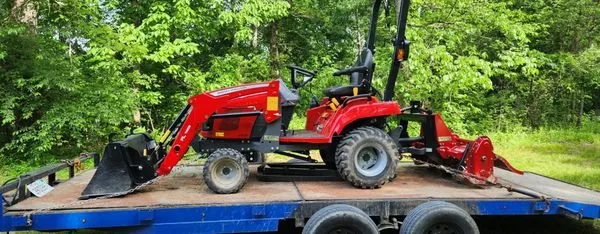
Ray's Mowing & Back-Hoe Service is a trusted local landscaping provider in Fairfield, IL, dedicated to solving common yard problems faced by homeowners. We specialize in addressing issues like dead la...
Infinity Supply Co. has been a trusted provider of lawn and plumbing equipment and services in Fairfield, Illinois, since 2011. We specialize in offering quality brands like Bad Boy, Gravely, and Arie...
DW Mulching & Excavating is Fairfield's trusted partner for comprehensive property solutions, from tree and lawn care to heavy-duty excavation. We understand the specific challenges Fairfield homeowne...
Estimated Landscaping Service Costs in Big Mound, IL
Frequently Asked Questions
Can I maintain healthy grass while following water conservation rules?
Stage 1 voluntary conservation allows efficient irrigation when paired with soil-moisture sensor controllers. These Wi-Fi systems monitor real-time ET rates and soil conditions, delivering precise water volumes only when needed. For Kentucky Bluegrass and Tall Fescue blends, this typically means 1-1.5 inches weekly during peak summer, adjusted for rainfall. Proper scheduling prevents overwatering while maintaining turf health within municipal guidelines.
How quickly can you respond to storm damage for HOA compliance?
Emergency cleanup crews dispatch from Big Mound Community Park via I-70, reaching Historic District properties within 20-30 minutes during peak conditions. Our electric maintenance fleet operates within noise ordinance restrictions for early morning or evening response. We prioritize safety assessments, debris removal, and temporary stabilization to meet HOA deadlines while preparing for permanent repairs under proper permitting.
What permits and licenses are needed for grading my property?
Grading on 0.25-acre lots requires Big Mound Department of Planning and Building permits for earth moving exceeding 50 cubic yards. Contractors must hold Illinois Department of Financial and Professional Regulation landscaping licenses with grading endorsements, ensuring proper erosion control and drainage compliance. Unlicensed work risks fines and voided insurance coverage, particularly when altering water flow patterns affecting neighboring properties in the Historic District.
What invasive species should I watch for and how do I control them?
Japanese knotweed and garlic mustard pose significant threats in Big Mound, spreading rapidly through root systems and seed banks. Manual removal before seed set combined with targeted glyphosate applications to cut stems manages infestations without violating phosphorus fertilizer restrictions. Timing treatments for early spring or late fall avoids pollinator activity periods while maximizing effectiveness. Regular monitoring prevents re-establishment in disturbed soil areas.
Are permeable pavers better than wood for durability and safety?
Permeable clay pavers offer 40+ year lifespans versus wood's 10-15 years, with minimal maintenance and no rotting or insect damage. Their fire-resistant properties contribute to defensible space in Low Urban Interface zones, reducing wildfire fuel loads. Installation over gravel bases provides structural stability while managing stormwater through 10-15% void spaces. This combination meets longevity, safety, and environmental requirements for Big Mound's climate conditions.
Why does my soil seem compacted and lifeless compared to newer neighborhoods?
Big Mound Historic District homes average 50 years of age, creating mature silt loam soil with reduced permeability. Decades of foot traffic and equipment use have compressed soil structure, limiting oxygen and water infiltration to roots. Core aeration every 2-3 years with organic compost amendments addresses this by improving soil porosity and microbial activity. This restoration mimics natural soil processes while maintaining the neighborhood's established landscape character.
What solutions exist for seasonal waterlogging in my yard?
Silt loam's poor subsoil infiltration requires graded swales or French drains to redirect surface water. Permeable clay pavers in walkways and patios increase ground absorption while meeting Big Mound Department of Planning and Building runoff standards. For severe cases, subsurface drainage tiles at 18-24 inch depths with gravel backfill create permanent water movement away from structures. These systems work collectively to manage moderate seasonal saturation.
How can I reduce maintenance while supporting local ecology?
Transitioning high-input turf areas to native plantings like Purple Coneflower, Butterfly Milkweed, Little Bluestem, and Wild Bergamot cuts mowing frequency by 70-80%. These deep-rooted species require no fertilization, minimal watering once established, and provide year-round habitat for pollinators. Electric equipment maintains these plantings quietly, staying ahead of gas-blower restrictions while creating a resilient landscape adapted to Zone 5b conditions.
