Top Landscaping Services in Bellevue, IL, 61604 | Compare & Call
There are 136 landscaping companies server in Bellevue IL
Hassle Free in Peoria, IL is a trusted local business specializing in landscape design, landscaping, and pest control services. Many Peoria homeowners face common landscaping challenges like lawn fung...
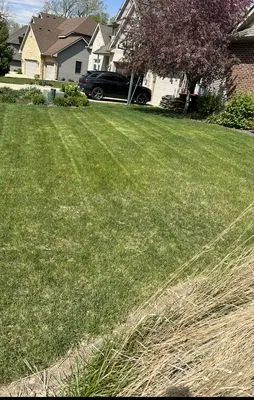
AD's Lawn Service is a licensed and insured lawn care provider in Peoria, IL, specializing in reliable maintenance services like mowing, trimming, and edging. We use professional equipment to deliver ...

MP Mowing is a trusted, locally-owned lawn care and snow removal service dedicated to serving Peoria homeowners. We understand the unique challenges of the area, including common landscaping issues li...

Superior Lawncare And Landscaping is your dedicated local partner for a beautiful, healthy outdoor space in Peoria, IL. We specialize in a comprehensive range of services from lawn care and landscape ...
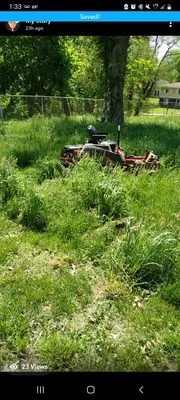
Ryan's Lawncare in Bellevue, IL, is a trusted local provider specializing in comprehensive lawn services to address common landscaping challenges in the area. Many Bellevue homes face issues like spri...
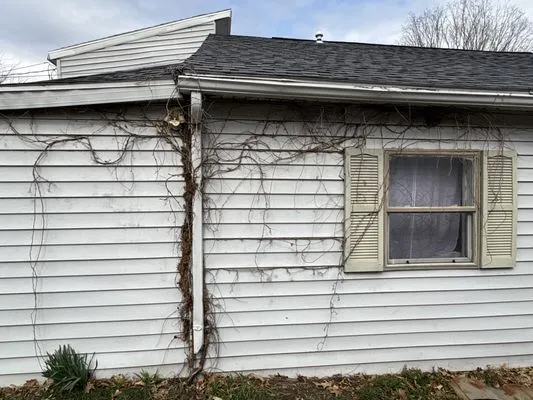
Watsons Lawn Gutters and More is a locally owned and operated business in North Pekin, IL, dedicated to providing reliable lawn, gutter, and tree services. Owner Cody Watson prioritizes customer satis...
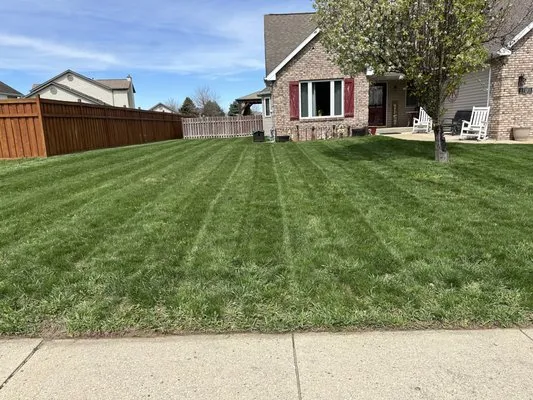
Arjes Family Lawn Care is a Pekin-based, family-owned business founded on the simple goal of serving our community with integrity. Owner Tanner Arjes' journey began with a desire to provide for his gr...
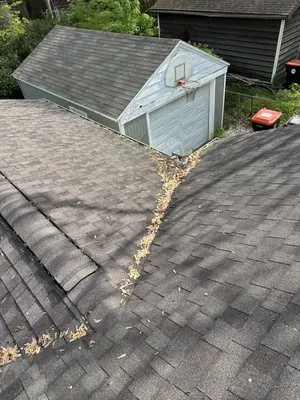
Drew's Lawn Care is a locally owned and operated lawn service provider in West Peoria, IL, dedicated to delivering reliable, detail-oriented care for residential properties. With a commitment to punct...
Founded in Washington in 1981, Schlueter Brothers Lawn Services has been a trusted local expert for over 37 years. Starting as a family-run residential service, the company has grown into a specialize...

Perring Landscape Services is a Dunlap-based landscaping and tree care company committed to creating and maintaining beautiful, sustainable outdoor spaces for local homeowners. We specialize in a comp...
Estimated Landscaping Service Costs in Bellevue, IL
Common Questions
Why is proper licensing so important for regrading my 0.35-acre property?
Significant grading alters water flow and soil stability, impacting your lot and neighboring properties. In Illinois, this work requires a licensed professional holding credentials from the Illinois Department of Financial and Professional Regulation. A licensed contractor will ensure the grading plan complies with codes enforced by the Peoria County Planning and Zoning Department, preventing drainage lawsuits and ensuring the work is insurable. For a 0.35-acre lot, improper grading can lead to substantial erosion or basement flooding issues.
How can I keep my Kentucky Bluegrass lawn healthy during summer while following water conservation rules?
Current Level 1 voluntary conservation guidelines align with smart irrigation technology. A Wi-Fi ET-based system uses real-time weather data to apply only the water lost to evapotranspiration, preventing overwatering. For Tall Fescue and Bluegrass blends, this means deeper, less frequent cycles that encourage drought-tolerant root growth. Programming the system to water before 10 AM minimizes evaporation and keeps usage well within municipal expectations, preserving turf health without waste.
A storm damaged trees and scattered debris. How quickly can a crew respond for an emergency cleanup?
For an HOA compliance or safety-related emergency, a crew can typically be dispatched within hours. Routing from our staging area near Bellevue Park onto I-74 allows for direct access to Bellevue Village. Accounting for peak traffic conditions, we plan for a 20-30 minute arrival window. The crew will prioritize securing the site and removing hazardous limbs before beginning systematic debris collection and removal.
The soil in my Bellevue Village yard seems compacted and lifeless. Is this just from age?
Yes, soil maturity is a key factor. With most homes dating to 1973, your 53-year-old lot has experienced decades of foot traffic and conventional maintenance, compacting the native silt loam. This soil type has moderate permeability, but over time its structure collapses, reducing pore space for air, water, and root growth. Core aeration and incorporating 2-3 inches of composted organic matter are essential to rebuild soil tilth and restore its natural pH buffering capacity between 6.5 and 7.2.
My yard has soggy areas each spring. What's a lasting solution for this drainage problem?
Seasonal saturation is common in Bellevue's silt loam due to its moderate runoff potential. The solution integrates grading and permeable materials. Regrading to create a gentle slope away from foundations is the first step. For patios or walkways, using clay pavers set on a gravel base creates a permeable surface that allows water to infiltrate, reducing runoff volume. This approach often meets the Peoria County Planning and Zoning Department's standards for managing stormwater on-site.
Are clay pavers a better long-term choice than a wooden deck for my patio?
Clay pavers offer superior longevity and lower lifecycle maintenance compared to wood. They are non-combustible, which contributes to defensible space in Bellevue's Low Fire Wise rated urban interface. Their modular installation allows for excellent permeability when paired with appropriate base materials, addressing local runoff concerns. While the initial investment may be higher, clay pavers do not require sealing, staining, or replacement due to rot, providing a permanent, stable surface.
I want to reduce mowing and gas equipment noise. What are my options for a quieter, lower-maintenance yard?
Transitioning to a climate-adaptive landscape with native plants significantly reduces maintenance inputs. Replacing turf areas with communities of Purple Coneflower, Little Bluestem, Butterfly Milkweed, and Wild Bergamot creates a resilient, biodiverse habitat. Once established, these plants require no weekly mowing, minimal watering, and only annual cutting back. This shift pre-adapts your property to evolving noise ordinances targeting gas-powered blowers and mowers, moving you toward a quiet, electric-maintenance model.
I've spotted what looks like invasive garlic mustard. How do I manage it without harming my garden?
Garlic mustard is a prevalent invasive alert in Zone 5b. The most effective control is manual removal before it sets seed in late spring. For chemical treatment, a targeted glyphosate application must follow the Illinois Fertilizer Application Act, which mandates proper N-P-K labeling and applicator certification. Be aware of local blackout dates for herbicide use, often aligned with peak rainfall periods to protect watersheds. Always prioritize non-chemical mechanical removal for small infestations.
